


Imagine a factory floor where complex assembly instructions are projected directly onto the components in front of a technician's eyes, where a remote expert can see what a local operator sees and guide their hands with digital annotations from thousands of miles away, and where potential equipment failures are predicted and visualized before they ever cause downtime. This is not a glimpse into a distant sci-fi future; it is the tangible, operational reality being built today through the integration of augmented reality in production. This technology is rapidly shedding its reputation as a consumer gaming gimmick and is emerging as one of the most transformative industrial tools of the digital age, poised to redefine the very essence of manufacturing, maintenance, and logistics.
The Foundation: Understanding Industrial Augmented Reality
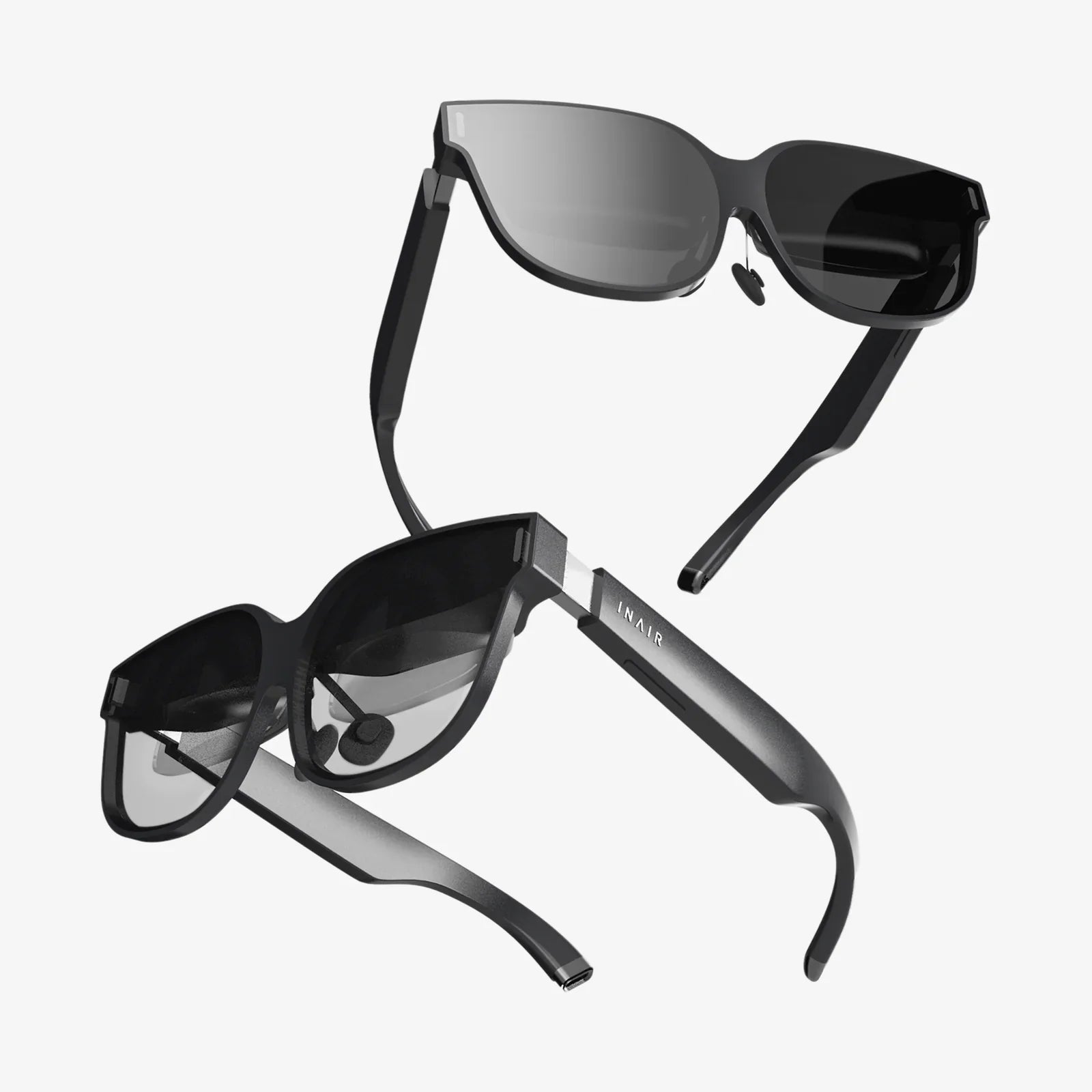
At its core, augmented reality (AR) is a technology that superimposes a computer-generated overlay—comprising images, data, 3D models, and animations—onto a user's view of the real world. Unlike virtual reality, which creates a fully immersive, digital environment, AR enhances reality by adding a layer of intelligent digital information. In a production context, this is achieved through a variety of hardware, from hands-free smart glasses and helmets to tablets and smartphones, all powered by sophisticated software that understands and interacts with the physical environment.
The magic of AR lies in its ability to contextualize information. Instead of a worker needing to constantly refer to a paper manual, a PDF on a tablet, or a computer screen across the room, the necessary information is presented within their immediate field of view, anchored to the specific machine, part, or task they are performing. This seamless fusion of the digital and physical worlds creates a symbiotic relationship between human intuition and machine precision, drastically reducing cognitive load and the potential for error.
The Digital Twin: Breathing Life into AR Data
The true power of augmented reality in production is unlocked when it is connected to a digital twin. A digital twin is a dynamic, virtual representation of a physical asset, process, or system. It is fed by real-time data from sensors, IoT devices, and enterprise systems like PLM (Product Lifecycle Management) and MES (Manufacturing Execution System), allowing it to mirror the condition, status, and performance of its physical counterpart.
AR acts as the visual interface for the digital twin. For instance, an engineer wearing AR glasses can look at a production machine and see a live data overlay showing its current operating temperature, output rate, and maintenance history—all pulled directly from the machine's digital twin. This provides an intuitive, at-a-glance understanding of complex data, enabling faster and more informed decision-making right on the factory floor. The digital twin provides the rich, accurate data, and AR provides the immersive, accessible medium to consume it.
Transforming Core Production Workflows
The applications of AR are vast and touch nearly every facet of the production lifecycle, creating a more connected and intelligent operation.
1. Assembly and Manufacturing
This is one of the most impactful use cases. AR-guided assembly systems can project digital work instructions, diagrams, and animations directly onto the workpiece or the assembler's station. A window on smart glasses might show which part to pick next, exactly where to place it, which tools to use, and the precise torque specifications for fasteners, all highlighted with arrows and animations. This is invaluable for complex assemblies, reducing training time for new employees, minimizing errors and rework, and ensuring consistent quality regardless of the operator's experience level. It also allows for greater flexibility, as production lines can be reconfigured digitally to accommodate new product variants without the need for extensive physical retooling or rewritten paper manuals.
2. Maintenance, Repair, and Overhaul (MRO)
AR is revolutionizing equipment maintenance. Technicians can use AR to visualize the internal components of a machine before even opening it up, identifying the exact location of a faulty part. Step-by-step repair instructions can be overlaid onto the equipment, guiding them through complex procedures. Furthermore, AR enables remote expert assistance. A senior engineer situated anywhere in the world can see the technician's live view, draw digital arrows and circles to point out components, and share documents and schematics in real-time. This drastically reduces mean time to repair, eliminates travel costs for specialists, and empowers on-site teams to handle a wider range of issues confidently.
3. Quality Assurance and Inspection
Quality control processes are becoming faster and more precise with AR. inspectors can use AR devices to call up digital checklists and product specifications hands-free. The technology can overlay the ideal CAD model onto a physically manufactured part, allowing for instant visual comparison and identification of any deviations or defects. Measurements can be taken and logged digitally simply by looking at points on an object, and all data can be automatically synced with quality management systems, creating an auditable digital record.
4. Logistics and Warehouse Management
In warehouses and logistics centers, AR is streamlining picking and packing operations. Workers wearing smart glasses can be visually guided along the most efficient routes to item locations. The exact bin and quantity needed for an order can be highlighted, reducing search time and picking errors significantly. This "vision picking" enhances speed and accuracy, leading to faster order fulfillment and reduced operational costs.
5. Training and Onboarding
AR creates immersive, interactive training simulations without the risk of damaging expensive equipment or halting production. New employees can practice procedures on digital replicas of machinery, receiving guided instructions and instant feedback. This experiential learning approach accelerates skill acquisition, improves knowledge retention, and ensures that workers are thoroughly prepared before they engage with actual production systems.
Tangible Benefits: The ROI of an Augmented Workforce
The implementation of AR is driven by a compelling return on investment that manifests across several key performance indicators:
- Skyrocketing Efficiency and Productivity: By eliminating constant context-switching between a task and reference materials, workers can complete procedures 30% faster or more. The hands-free nature of the technology allows them to work uninterrupted.
- Unprecedented Accuracy and Quality: Error rates can plummet by over 90% in complex assembly tasks. AR provides a single source of truth, ensuring every action is performed correctly the first time, which in turn reduces waste and costly rework.
- Significant Cost Reduction: Savings are realized through reduced training time, minimized downtime in maintenance, lower scrap rates, and the elimination of travel expenses for remote expertise.
- Enhanced Worker Safety: By providing clear visual warnings and highlighting hazardous areas or procedures, AR creates a safer working environment. Remote guidance also means fewer people need to be physically present in potentially dangerous situations.
- Knowledge Capture and Democratization: AR allows companies to capture the tacit knowledge of retiring experts and embed it into digital work instructions, preserving institutional expertise and making it accessible to the entire workforce.
Navigating the Implementation Challenges
Despite its potential, integrating AR into production is not without challenges. A successful deployment requires careful consideration of several factors:
- Hardware Selection: Choosing the right device—whether it's ruggedized smart glasses for hands-free operation or tablets for more limited use cases—is critical. Factors include battery life, comfort, processing power, and field of view.
- Software and Connectivity: Robust AR content creation platforms and a rock-solid wireless network (often Wi-Fi 6 or private 5G) are essential for delivering seamless, lag-free experiences. The AR system must also integrate seamlessly with existing IT and OT infrastructure like ERP, MES, and CMMS.
- Content Creation: Developing effective, clear, and intuitive AR content is a specialized skill. The digital instructions must be meticulously authored and tested to ensure they enhance, rather than hinder, the workflow.
- Change Management and User Adoption: Workers may be hesitant to adopt new technology. Comprehensive training and demonstrating clear value are key to overcoming resistance and ensuring the technology is embraced and used effectively.
- Data Security: As with any connected technology, protecting sensitive production data and intellectual property is paramount. Secure networks and device management policies are non-negotiable.
The Future is Overlaid: What Lies Ahead
The evolution of AR in production is accelerating. We are moving towards a future where AR will be integrated with Artificial Intelligence and spatial computing to create even more powerful applications. AI-powered AR could automatically diagnose faults by analyzing a video feed, or provide real-time predictive analytics by cross-referencing sensor data with historical performance models. The concept of the 'metaverse' for industry—a persistent, shared digital space overlaying the physical factory—will enable unprecedented collaboration and data visualization across global teams.
The journey towards mainstream adoption is well underway. As the technology becomes more affordable, the hardware more comfortable and powerful, and the software more intuitive, augmented reality will cease to be a competitive advantage and will become a standard tool in every manufacturer's arsenal. It represents a fundamental shift from analog, document-based workflows to dynamic, digital, and intelligent interactions with the physical world of production.
The factory of the future is not a fully automated, human-less void. It is a collaborative space where humans and machines work in harmony, each playing to their strengths. Augmented reality is the crucial interface that empowers the human worker with superhuman knowledge and perception, transforming them into the most agile, informed, and efficient node in the smart production network. The companies that embrace this augmented workforce today are not just improving their bottom line; they are building an unassailable foundation for innovation and competitiveness for decades to come.
Share:
Augmented Reality vs Artificial Intelligence: The Titans Shaping Our Digital Future
Augmented Reality Wearables: The Invisible Revolution Reshaping Our World