


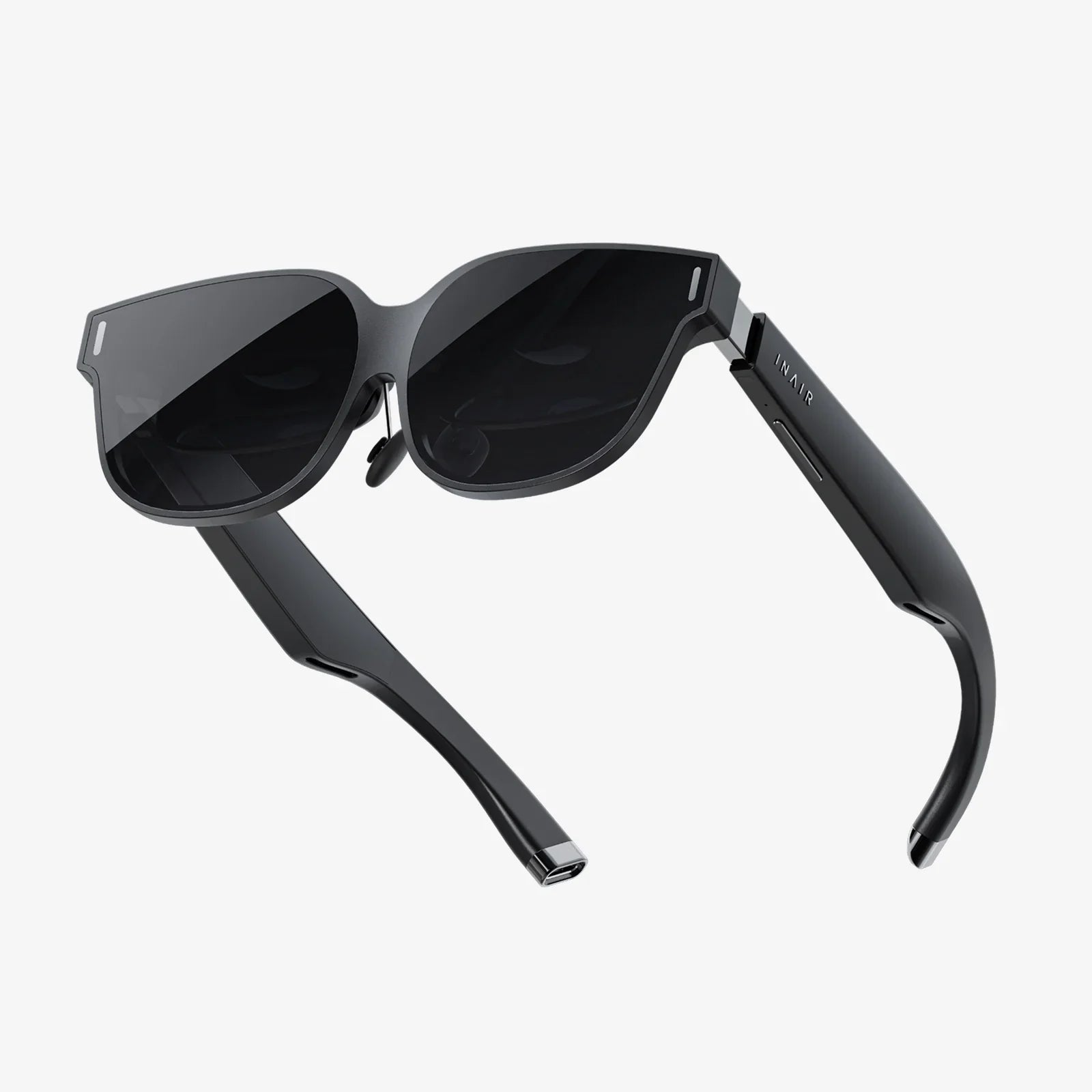
Imagine looking at a complex piece of machinery, a blank wall awaiting a new outlet, or the intricate components of a heart model, and seeing each step of a process illuminated directly on the object itself. Your hands are free, your focus is absolute, and the fear of making a costly mistake evaporates. This is no longer a scene from science fiction; it is the present and future being built by augmented reality instructions. This transformative technology is fundamentally altering the relationship between human and machine, expert and novice, by seamlessly blending the digital and physical to guide, teach, and empower.
The Fundamental Shift: From Page to Projection
For centuries, human instruction has been bound to two-dimensional media. We have progressed from detailed cave paintings and hieroglyphics to printed manuals, exploded-view diagrams, and more recently, digital PDFs and video tutorials. While each iteration offered improvements, they all share a critical flaw: a cognitive gap. The user is forced to constantly look away from the task at hand, translate the 2D information into a 3D context, mentally rotate parts, and map written steps onto physical actions. This process is mentally taxing, prone to error, and incredibly inefficient. It fractures attention and places a significant burden on working memory.
Augmented reality instructions shatter this paradigm. By using a device—be it a smartphone, tablet, or specialized smart glasses—the digital information is liberated from the page and projected onto the real world. This creates a direct visual-to-physical connection. An arrow doesn't just point to a part in a manual; it visually highlights the exact bolt that needs to be turned. Wiring instructions don't require cross-referencing a colorful chart; they show a virtual wire extending from one terminal to the next, overlaying the actual machinery. This contextual overlay eliminates the translation step, allowing for what experts call "visual anchoring," where information is tied to a specific point in space, making it instantly understandable and actionable.
How Augmented Reality Guidance Systems Work
The magic of seeing a virtual engine part assemble itself in your garage is underpinned by a sophisticated technological stack. The process typically begins with object recognition. The AR system, through its camera, identifies the object it needs to instruct on. This can be achieved through markers (similar to QR codes), but more advanced systems use markerless tracking, recognizing the object's unique shape, contours, and features. Simultaneously, simultaneous localization and mapping (SLAM) technology is used to understand the environment, mapping the physical space and precisely placing digital objects within it so they appear stable and realistic.
Once the object and environment are understood, the core software platform takes over. This is where the digital instructions, often created by authors using specialized AR content creation suites, are deployed. These instructions are a sequence of digital assets: 3D models, animations, text callouts, audio narration, and video overlays. The rendering engine then composites these assets onto the live camera feed in real-time, aligning them perfectly with the physical world. The result is a seamless blend that feels intuitive, as if the instructions are a natural part of the object itself.
Transforming Industries: Practical Applications
The potential of AR instructions is not theoretical; it is delivering tangible value and staggering returns on investment across the global economy today.
Manufacturing and Complex Assembly
On factory floors, the assembly of intricate products, from aircraft engines to medical devices, requires immense precision. A single misstep can lead to catastrophic failure. AR instructions are being used to guide technicians through each step, highlighting the correct part bin, showing the exact orientation for placement, and specifying the required torque for fasteners. This has been shown to drastically reduce errors, sometimes by over 90%, while simultaneously slashing training time for new employees. Workers can achieve expert-level performance without years of experience, as the knowledge is delivered contextually, right at the point of action.
Field Service and Maintenance
When a critical piece of equipment fails in a remote location, companies face immense downtime costs. Sending a specialist engineer is expensive and time-consuming. AR instructions empower on-site technicians, or even customers themselves, to perform complex repairs. By wearing AR glasses, a technician can be guided by a remote expert who can see their field of view and annotate the real world with arrows, notes, and diagrams. Alternatively, a pre-authored AR guide can walk them through troubleshooting and repair procedures step-by-step, identifying components and highlighting connections. This "remote assist" capability turns every field technician into a potential expert, improving first-time fix rates and dramatically reducing travel time and costs.
Healthcare and Medical Training
The stakes in healthcare are the highest imaginable. AR is revolutionizing surgical planning and medical training. Surgeons can overlay 3D reconstructions of a patient's anatomy from CT or MRI scans directly onto the patient's body before making an incision, providing an X-ray-like view and improving surgical accuracy. For training, medical students can practice procedures on physical mannequins enhanced with AR visuals that show the flow of blood, the beating of a heart, or the correct placement of an IV, turning abstract knowledge into practical, hands-on experience without risk to a patient.
Consumer Applications and DIY
The revolution is also entering our homes. Furniture assembly, once a frustrating ritual of cryptic diagrams and leftover parts, is being transformed. An AR app can show exactly how each piece fits together, animating the entire process over the actual physical parts. Home improvement tasks, like installing a ceiling fan or wiring a three-way switch, become far less intimidating when an AR guide highlights the correct wires to connect and shows the drilling points on the wall. This democratizes expertise, empowering individuals to undertake projects they would have previously hired out, saving money and fostering a sense of accomplishment.
The Tangible Benefits: Beyond the "Wow" Factor
The value proposition of AR instructions extends far beyond its initial novelty. The benefits are measurable and profound.
- Radical Reduction in Errors: By providing unambiguous, context-specific guidance, AR minimizes misinterpretation. Studies across manufacturing and logistics consistently show error rates plummeting, leading to higher quality outcomes and reduced waste.
- Unprecedented Efficiency and Speed: Tasks are completed significantly faster. Users no longer pause to consult a manual or rewatch a video segment. The constant context-switching is eliminated, leading to productivity gains of 30% or more in many documented cases.
- Democratization of Expertise: AR acts as a great equalizer. It captures the knowledge of a senior expert and delivers it to anyone, anywhere. This reduces the burden on top-tier specialists, empowers junior staff, and lowers the barrier to entry for complex tasks.
- Enhanced Learning and Knowledge Retention: The immersive, hands-on nature of AR guidance is a powerful pedagogical tool. By doing while seeing, users develop a deeper spatial and procedural understanding, leading to better long-term knowledge retention compared to passive learning from text or video.
- Improved Safety and Risk Mitigation: In hazardous environments, AR can highlight danger zones, remind users to wear specific personal protective equipment, and warn them before they perform a potentially unsafe action, creating a safer working environment.
Challenges and the Path Forward
Despite its promise, the widespread adoption of AR instructions faces hurdles. The hardware, particularly comfortable, high-resolution smart glasses with all-day battery life, needs to become more affordable and robust. Creating high-quality AR content can currently be resource-intensive, requiring new skills and software platforms. There are also valid concerns about user privacy, data security, and potential digital distraction in physical workspaces.
However, the trajectory is clear. Hardware is advancing at a breakneck pace, with major technology investments pouring into the space. Authoring tools are becoming more intuitive, enabling subject matter experts to create guides without needing a background in advanced programming. As the technology matures, standards will emerge, and these challenges will be systematically addressed.
The future of AR instructions lies in deeper integration with other Industry 4.0 technologies. Imagine an AR system not only guiding a repair but also pulling real-time sensor data from the equipment being repaired, highlighting a component that is running 20% over its normal temperature. Or a system integrated with artificial intelligence that can adapt the instructions in real-time based on the user's actions, offering corrective feedback just as a human expert would. This convergence of the physical and digital, the human and the machine, will create systems of intelligence that amplify human capability in ways we are only beginning to imagine.
The static manual is becoming a relic. The future of guidance is dynamic, interactive, and intimately woven into the fabric of our physical reality. It’s a future where expertise is instantly accessible, where complex tasks feel simple, and where the potential for human error is dramatically minimized. This is the powerful promise of augmented reality instructions, and it’s already changing the world, one perfectly executed task at a time.
Share:
Virtual One XR Glasses Are Redefining Reality As We Know It
4K XR Glasses: The Ultimate Portal to Blended Reality and How They're Redefining Our World