


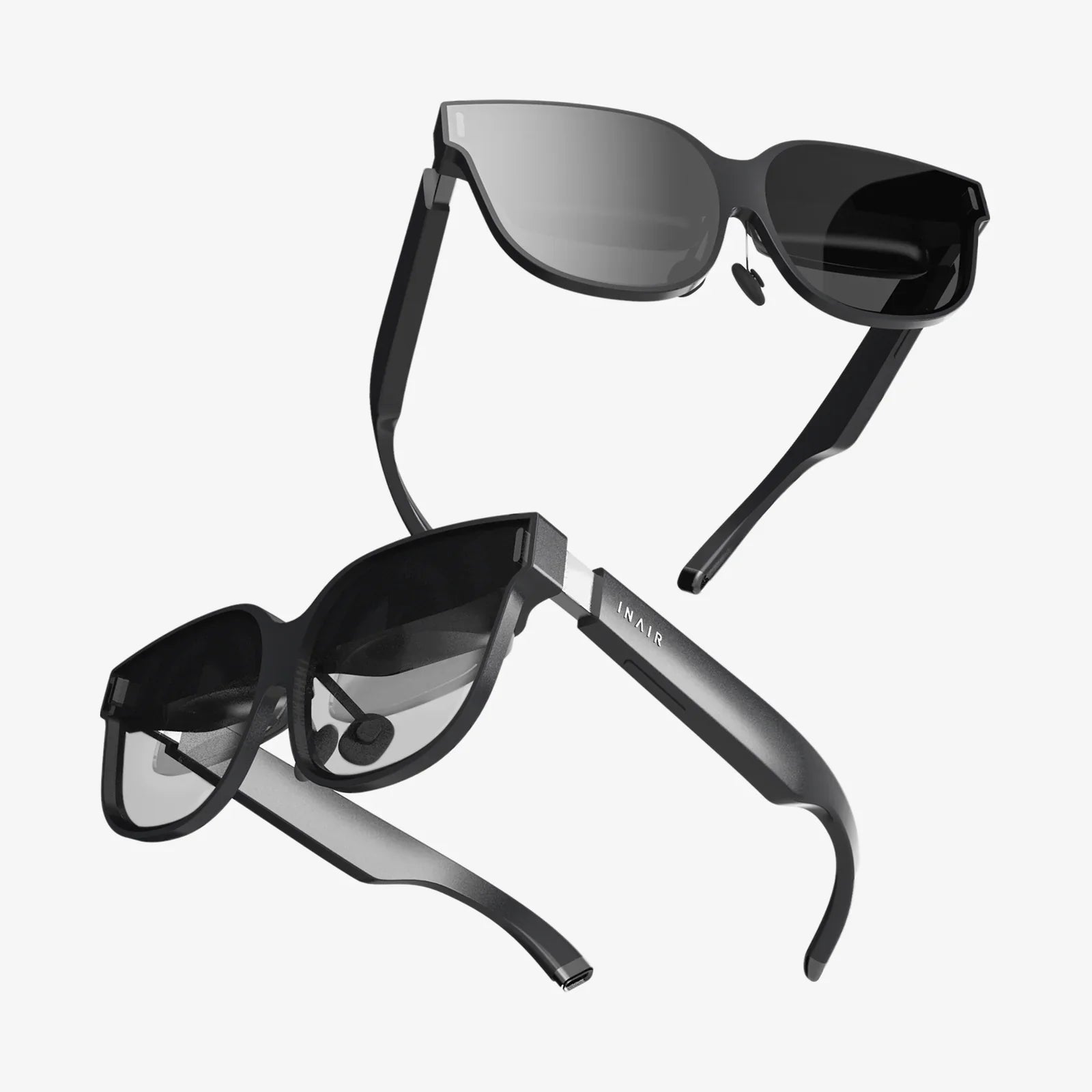
Imagine a world where a student can dissect a virtual frog on their kitchen table, a medical apprentice can watch a 3D heart beat and rotate in mid-air before their eyes, or a factory worker can receive real-time, hands-free instructions overlaid on a complex machine they are learning to operate. This is no longer the stuff of science fiction; it is the transformative power of augmented reality learning, a technological revolution that is fundamentally altering how we acquire knowledge and develop skills. By seamlessly blending digital information with our physical environment, AR is breaking down the walls of traditional education and creating a dynamic, interactive, and profoundly engaging learning ecosystem.
The Core Concept: Beyond the Hype
At its essence, augmented reality learning involves the use of technology to superimpose digital content—such as images, videos, 3D models, and data—onto the user's real-world view. Unlike virtual reality, which creates a completely immersive, computer-generated environment, AR enhances reality by adding a digital layer to it. This is typically achieved through devices like smartphones, tablets, or specialized smart glasses. The magic lies in its contextuality; information is presented exactly when and where it is most relevant, creating a powerful link between abstract concepts and their tangible applications.
Why It Works: The Pedagogy of Presence
The effectiveness of AR in education is not merely a result of its novelty; it is deeply rooted in established learning theories. It champions experiential learning, a concept popularized by educational theorist David Kolb, which posits that knowledge is created through the transformation of experience. AR provides direct, hands-on experiences with learning material, allowing users to learn by doing rather than just by observing or listening.
Furthermore, it embodies constructivist learning theory, where learners actively construct their own understanding and knowledge of the world through experiencing things and reflecting on those experiences. By manipulating virtual objects in a real space, students are building mental models in a deeply personal and memorable way. This approach also facilitates situated learning, where learning is embedded within its authentic context, dramatically improving knowledge retention and recall.
Revolutionizing the Classroom: From K-12 to Higher Education
The application of AR in formal education settings is vast and varied, offering new ways to captivate students and demystify complex subjects.
Elementary and Secondary Education
In younger grades, AR can turn abstract concepts into captivating adventures. History lessons can come alive as students use their tablets to see historical figures reenact events on their desks or explore ancient ruins superimposed on their school playground. Geography classes can be transformed by interactive, 3D globes that display weather patterns, tectonic plate movements, and cultural landmarks. Language learning is enhanced by pointing a device at an object to see and hear its name in a foreign language, creating a continuous and contextual vocabulary lesson.
STEM Education
AR is a particular boon for Science, Technology, Engineering, and Mathematics. Chemistry students can safely combine virtual elements to see reactions without the risk or cost of a physical lab. Physics students can visualize magnetic fields, gravitational forces, and light waves interacting with their environment. Biology students can explore detailed, life-sized models of the human body, walking through the circulatory system or examining the layers of a cell. This visual and interactive approach makes complex, invisible phenomena comprehensible.
University and Professional Training
In higher education, the stakes and complexity rise, and so do the benefits of AR. Medical students can practice intricate surgical procedures on virtual patients, receiving haptic feedback without any risk. Architecture and engineering students can project their 3D designs into physical spaces, assessing scale, structural integrity, and aesthetic impact in real-time. Law students can participate in immersive mock trials, and art students can restore virtual paintings or view historical art pieces in their original contexts.
Transforming Corporate Learning and Skill Development
Beyond academia, the corporate world is rapidly adopting AR learning for its efficiency and effectiveness in training and development.
Technical and Manual Skills Training
Industries such as manufacturing, logistics, and field services use AR to train employees on complex machinery and processes. New technicians can wear AR glasses that provide step-by-step visual instructions overlaid directly onto the equipment they are servicing, reducing errors and improving speed. This "see-what-I-see" capability also allows remote experts to guide on-site workers through repairs, annotating their field of view in real-time, which minimizes downtime and travel costs.
Soft Skills and Compliance Training
AR creates safe, controlled environments for practicing high-stakes interpersonal interactions. Employees can engage with realistic avatars to hone their sales pitches, customer service skills, or leadership conversations. Compliance and safety training becomes far more impactful when employees can walk through a virtual factory floor, identifying hazards and practicing emergency procedures in a hyper-realistic yet consequence-free simulation.
Overcoming Challenges and Looking to the Future
Despite its immense potential, the widespread adoption of augmented reality learning faces hurdles. The cost of developing high-quality AR content and procuring hardware, especially dedicated glasses, can be significant. There are also concerns about digital equity and ensuring that all students, regardless of socioeconomic background, have access to these tools. Furthermore, educators and trainers require professional development to effectively integrate AR into their curriculum, moving beyond using it as a simple gimmick to leveraging its full pedagogical potential.
However, the future is bright. Advances in artificial intelligence will make AR experiences even more responsive and personalized, adapting in real-time to a learner's performance and needs. The evolution of 5G and cloud computing will enable more complex and collaborative AR experiences, allowing multiple users to interact with the same virtual objects from different locations simultaneously. The line between the physical and digital learning worlds will continue to blur, leading to the creation of persistent learning environments that are always available and context-aware.
The journey into this new era of education is just beginning. As the technology becomes more accessible and its applications more refined, augmented reality learning promises to unlock human potential on an unprecedented scale. It fosters a culture of curiosity, exploration, and deep understanding, equipping learners of all ages with the skills and knowledge to navigate and shape the future. We are moving towards a paradigm where learning is not something you go to a specific place to do, but a continuous, engaging, and integral part of interacting with the world around you. The classroom is expanding to encompass everything we see, and in doing so, it is fundamentally changing what it means to learn.
Share:
AI Glasses Comparison: A Deep Dive into the Future on Your Face
Augmented Reality Presentation: Transforming Communication from Flat Screens to Immersive Experiences