


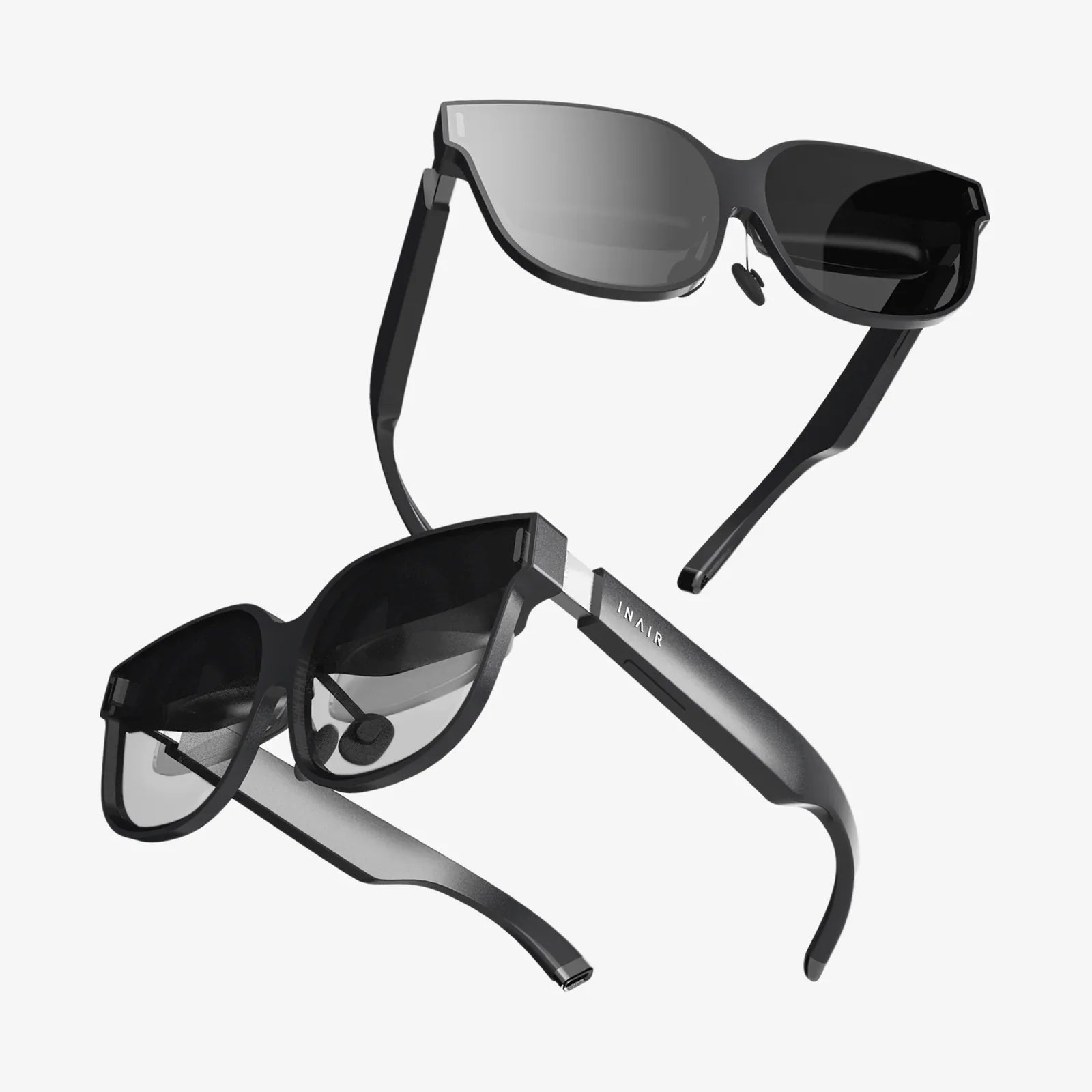
The digital and physical worlds are colliding in ways once confined to science fiction, and at the epicenter of this convergence is a technology poised to redefine human-computer interaction. You've likely seen glimpses of it—through smartphone games that bring fantastical creatures into your living room or through social media filters that add a playful digital layer to your reality. But these consumer-facing novelties are merely the tip of a colossal iceberg. The true depth and transformative power of this technology are being charted in boardrooms, manufacturing plants, and surgical theaters across the globe. To understand the scale, trajectory, and immense economic potential of this revolution, one must turn to a single, critical document: the augmented reality market report. These comprehensive analyses are no longer just industry footnotes; they are essential navigational tools for any business leader, investor, or policymaker looking to thrive in the coming decade.
Deciphering the Core: What an Augmented Reality Market Report Actually Covers
An augmented reality market report is far more than a simple collection of statistics and revenue projections. It is a multi-faceted analytical framework that dissects the entire ecosystem. At its foundation, it defines the market's scope, distinguishing between key technologies like marker-based AR (relying on visual cues like QR codes), markerless AR (using GPS, digital compasses, and accelerometers), and more advanced projection-based and superimposition-based AR. The report meticulously segments the market by component, breaking down the intricate supply chain into hardware (displays, sensors, processors), software (software development kits, platforms, and applications), and services (deployment, support, and maintenance). This granular view is crucial for identifying where innovation is happening and where investment is flowing.
The Engine of Growth: Key Drivers Propelling the Market Forward
The staggering growth forecasted in every major augmented reality market report is not happening in a vacuum. It is fueled by a powerful confluence of technological, economic, and social factors.
The Proliferation of Smart Devices and 5G Connectivity
The near-ubiquity of powerful smartphones and tablets has created a massive, ready-made installed base for AR experiences. These devices come equipped with high-resolution cameras, sophisticated sensors, and powerful processors—all the essential ingredients for mobile AR. Furthermore, the global rollout of high-speed, low-latency 5G networks is a critical catalyst. 5G's capabilities eliminate the lag and buffering that can break the immersion of AR, enabling complex, cloud-rendered experiences and seamless real-time data overlay for field technicians and first responders.
Enterprise Adoption: The Silent Revolution
While consumer applications capture headlines, the enterprise sector is the true powerhouse driving market revenue. Companies are leveraging AR for remote assistance, allowing a single expert to guide countless field workers through complex repairs via live video feed annotated with digital instructions. In manufacturing and logistics, smart glasses are providing workers with hands-free access to assembly diagrams, inventory data, and picking lists, dramatically reducing errors and boosting efficiency. This surge in enterprise adoption is a primary factor highlighted in every recent augmented reality market report, signaling a shift from experimentation to core operational technology.
Advancements in Underlying Technologies
The magic of AR is built on a foundation of rapid innovation in adjacent fields. Improvements in computer vision algorithms allow devices to understand and interact with the physical environment with astonishing accuracy. Developments in artificial intelligence and machine learning enable AR systems to recognize objects, predict user intent, and deliver contextually relevant information. Simultaneously, the miniaturization of components is leading to the development of more lightweight, comfortable, and socially acceptable wearable devices, which is essential for all-day use in professional settings.
A Market Dissected: Segmentation and Regional Analysis
A thorough augmented reality market report provides a detailed breakdown of the landscape, offering insights for targeted strategy.
By Application
The application segments reveal the technology's vast versatility:
- Consumer: Gaming, live entertainment, retail (e.g., virtual try-on for clothes and furniture), and social media filters.
- Commercial: Retail marketing, advertising, and innovative customer engagement campaigns.
- Enterprise: The largest segment, encompassing automotive, aerospace, healthcare (surgical visualization, medical training), logistics, and industrial manufacturing.
- Healthcare: A rapidly growing segment for surgical planning, medical training simulations, and patient education.
- Automotive: Heads-up displays (HUDs) for drivers and AR-assisted design and assembly processes.
By Region
The global adoption pattern is uneven but accelerating everywhere. North America, with its strong technological infrastructure and early-adopter enterprise culture, has historically held a dominant market share. The Asia-Pacific region, however, is projected to witness the highest compound annual growth rate (CAGR), driven by massive investments in industrial automation, a booming consumer electronics market, and supportive government initiatives in countries like China, Japan, and South Korea. Europe also remains a significant and innovative market, with strong activity in the automotive and industrial sectors.
Navigating the Hurdles: Challenges and Restraints
Despite the optimistic projections, no augmented reality market report would be complete without a candid assessment of the barriers to mass adoption. A significant challenge remains the development of hardware that is both powerful and socially acceptable. Many current wearable devices can be cumbersome, have limited battery life, and raise concerns about user privacy with always-on cameras. Furthermore, creating high-quality, immersive AR content is complex and can be expensive, potentially slowing down deployment. There is also a notable skills gap; a shortage of developers proficient in AR creation tools and platforms could constrain growth. Finally, the lack of standardized development platforms and universal content formats can lead to fragmentation, making it difficult for businesses to build scalable solutions.
The Competitive Landscape: Innovation and Strategy
The competitive arena is a dynamic mix of established tech giants, specialized AR hardware and software firms, and a vibrant startup ecosystem. The landscape is characterized by intense research and development, strategic mergers and acquisitions, and fierce competition for top talent. Companies are competing on multiple fronts: developing superior display technology (like waveguides and micro-LEDs), creating more intuitive and powerful software platforms, and building extensive developer communities. Strategic partnerships between hardware manufacturers, software developers, and enterprise solution providers are becoming increasingly common as a way to create end-to-end offerings that deliver tangible value to customers.
Gazing into the Crystal Ball: Future Trends and Predictions
Looking beyond the current data, augmented reality market reports point to several emerging trends that will define the next chapter. The concept of the Augmented Enterprise will mature, where AR becomes an integrated part of every workflow, from onboarding new employees to managing complex global supply chains. The convergence of AR with Artificial Intelligence (AI) and the Internet of Things (IoT) will create truly intelligent environments where digital information is not just overlaid but is interactive, predictive, and context-aware. We will also see the rise of the spatial web, a fundamental evolution of the internet where digital information is mapped onto physical spaces, creating a persistent layer of intelligence over the world around us. Finally, the development of more stylish and affordable AR wearables, including smart glasses and eventually contact lenses, will be the final key to unlocking ubiquitous consumer adoption.
The numbers and trends laid out in these reports paint an undeniable picture: augmented reality is not a fleeting trend but the next major computing platform. It’s a foundational shift that will reshape how we work, learn, play, and connect with the world. The businesses that will lead tomorrow are those using the insights from today's augmented reality market reports to strategically position themselves at the forefront of this change. The question is no longer if AR will become mainstream, but how quickly you can integrate its potential into your vision for the future. The blueprint for that integration is waiting in the data.
Share:
Glasses That Use AI Are Redefining Human Perception and Interaction
VR Glasses That Look Like Sunglasses: The Invisible Revolution in Immersive Tech