


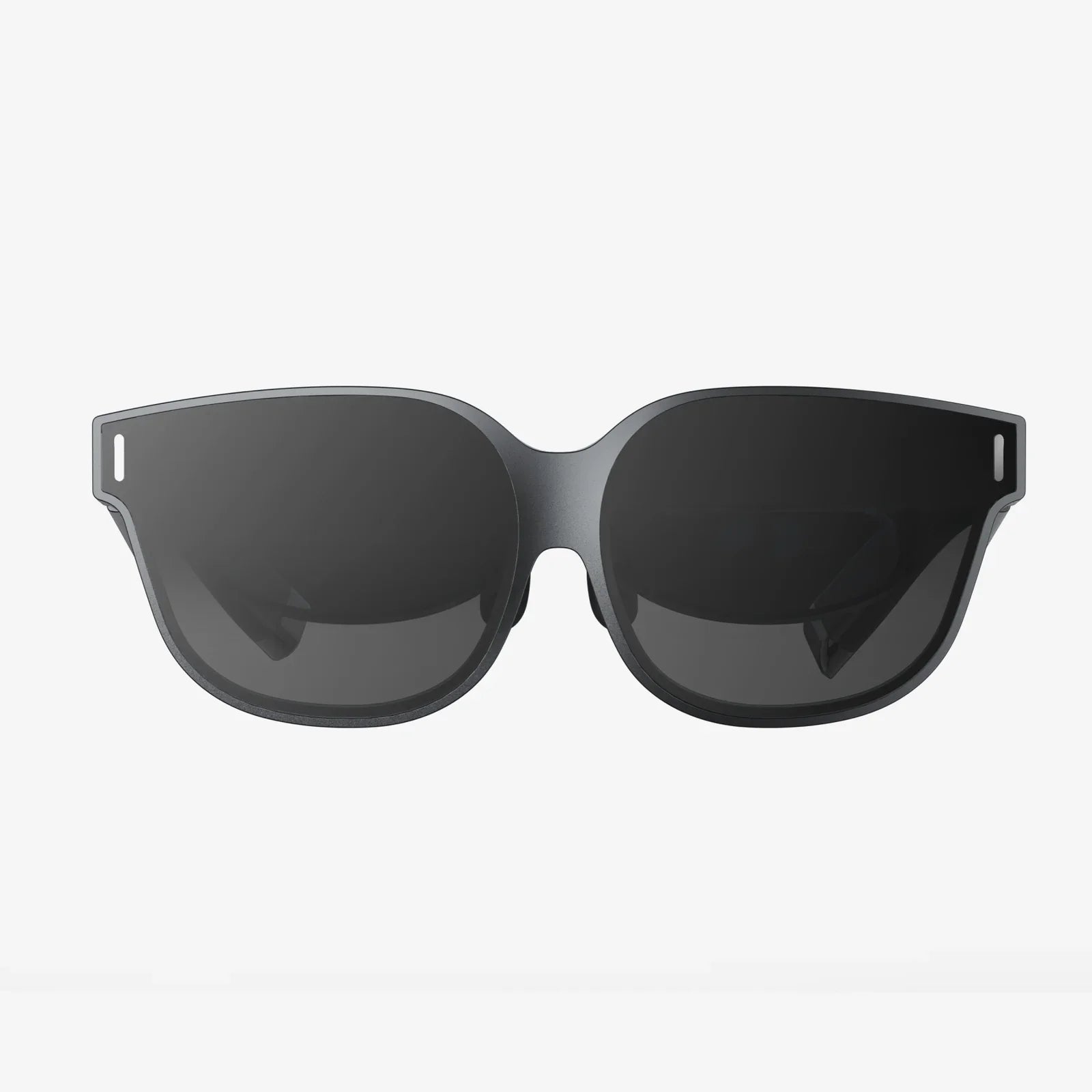
Imagine a world where your vision is not just a biological function but a powerful, augmented interface with the digital realm. A world where information is overlaid seamlessly onto your reality, where language barriers dissolve before your eyes, and where the very way you navigate and understand your surroundings is fundamentally enhanced. This is no longer the stuff of science fiction; it is the burgeoning reality being built by glasses that use AI. This technological convergence is poised to become the next ubiquitous computing platform, moving beyond our pockets and onto our faces, fundamentally altering the human experience in ways we are only beginning to comprehend.
The Architectural Foundation: More Than Meets the Eye
The magic of intelligent eyewear lies in a sophisticated symphony of hardware and software, all miniaturized into a form factor light enough to wear all day. Understanding this architecture is key to appreciating their capabilities.
At the front end are the sensors—the eyes of the system. High-resolution cameras capture the world in real-time, while depth sensors and LiDAR scanners map the environment in three dimensions, understanding the distance and spatial relationship between objects. Inertial Measurement Units (IMUs), including accelerometers and gyroscopes, track the precise movement and orientation of the wearer's head. Microphones act as the ears, capturing audio from the surroundings and the user's voice commands.
This constant, massive influx of multimodal data is the raw material for the artificial intelligence engine. This is where the true intelligence resides. Powerful, efficient processors, often assisted by dedicated neural processing units (NPUs), run complex machine learning models on the device itself. This on-edge computing is critical for two reasons: latency and privacy. Processing data locally, rather than shipping it to a distant cloud server, ensures instantaneous responses—a necessity for real-time visual overlays—and keeps sensitive audio and video data secure on the device.
The AI models themselves are marvels of modern engineering. Computer vision algorithms are trained on billions of images to identify objects, people, text, and scenes. Natural language processing models enable real-time transcription and translation. And reinforcement learning allows the system to adapt to the user's preferences and habits over time. The final piece is the output: micro-projectors that beam images directly onto specially engineered lenses, creating bright, clear holographic displays that appear to float in the user's field of view, while bone-conduction or miniature speakers provide private audio without blocking ambient sound.
A Spectrum of Transformative Applications
The theoretical potential of this technology is vast, but its real-world applications are already demonstrating profound utility across numerous domains.
Revolutionizing Accessibility
For individuals with visual or auditory impairments, AI-powered glasses are not merely convenient; they are life-changing assistive devices. For those with low vision, the glasses can highlight obstacles on a sidewalk, enhance the contrast of edges and text, read aloud signage or menus, and identify products on a shelf. They can recognize faces and whisper the name of an approaching acquaintance, restoring a layer of social confidence. For the hard of hearing, real-time speech-to-text transcription can be displayed directly in the lenses, turning a conversation at a noisy party or a business meeting into accessible dialogue, effectively acting as subtitles for the real world.
Shattering Language Barriers
The dream of a universal translator is being realized. A user can look at a restaurant menu in a foreign language and see an instant translation superimposed over the text. They can engage in a conversation with someone speaking another language, hearing the translated audio through their earpiece or seeing the translated subtitles in their view. This capability has staggering implications for travel, international business, diplomacy, and cultural exchange, fostering understanding and connection on a global scale.
Augmenting Professional Workflows
From the factory floor to the operating room, intelligent eyewear is boosting productivity and precision. A field technician can have schematics and instruction manuals hands-free while repairing complex machinery. A surgeon can have vital signs and 3D anatomical models visualized during a procedure without looking away from the patient. An architect can walk through a construction site and see the digital building plans overlaid onto the physical structure, identifying potential clashes before they become costly errors. The technology provides a constant, contextual stream of expert information exactly when and where it is needed.
Enhancing Daily Life and Navigation
Even in mundane tasks, the augmentation is powerful. Navigating a new city becomes intuitive with arrows and directions painted onto the street. Remembering where you parked your car is effortless as the glasses can log the location visually. Identifying constellations in the night sky, learning about a landmark's history by simply looking at it, or getting a recipe suggestion by scanning the contents of your refrigerator are all within reach. The device becomes a personalized assistant that perceives the world alongside you.
The Inevitable Ethical Quandaries and Societal Shifts
Such a powerful technology does not arrive without significant challenges and ethical dilemmas. The very features that make these glasses incredible also make them potentially disruptive and dangerous.
The most pressing concern is privacy. A device that records audio and video continuously raises the specter of perpetual surveillance. The potential for unauthorized recording in private spaces, corporate espionage, or government overreach is immense. Robust, transparent data handling policies are non-negotiable. Features like a clear physical indicator light when recording is active and strict, user-controlled permissions must be standard. The question of who owns the data collected—the user, the manufacturer, or third-party app developers—is a legal and ethical battleground.
Furthermore, the constant access to information threatens to reshape social norms and cognitive abilities. Will we become less likely to memorize facts or navigate from memory if our glasses can do it for us? Will live-translated conversations feel authentic, or will they create a new layer of digital mediation between people? The always-on digital overlay could also lead to increased distraction, pulling our attention away from the physical world and the people in it, potentially exacerbating the social isolation often linked to smartphone use.
There is also the risk of creating a new digital divide. If these devices become essential tools for work and social interaction, the gap between those who can afford them and those who cannot could widen existing inequalities. The societal impact will require careful, proactive consideration from policymakers, technologists, and citizens alike to ensure the technology benefits humanity as a whole.
The Future Vision: From Augmentation to Integration
The current generation of AI glasses is just the beginning. The trajectory points toward even deeper integration with our senses and our lives. Future iterations will likely be indistinguishable from regular eyewear, shedding the bulky, tech-forward aesthetic for stylish, customizable designs. Battery technology will improve to allow for all-day use, and connectivity will become seamless with the advent of advanced networks.
We are moving toward a future of contextual and predictive computing. The glasses will not just react to commands but anticipate needs based on context, location, and user behavior. They will evolve from a tool you use to an intelligent agent you collaborate with. The line between the digital and physical worlds will continue to blur, potentially giving rise to new forms of art, entertainment, and social interaction built upon a shared augmented reality.
Ultimately, the goal is not to replace reality but to enrich it. The most successful implementations will be those that feel intuitive, natural, and genuinely helpful, enhancing human capabilities without overwhelming them. The technology should serve to make us more present, more connected, and more capable, not less.
The journey into this augmented age has already begun. Glasses that use AI are the vehicle, and they are hurtling us toward a future where our perception of reality is limited only by our imagination. The potential to solve real human problems, from disability to isolation to a lack of information, is unparalleled. But navigating this new frontier demands not just technological innovation, but also wisdom, empathy, and a fierce commitment to building a future that is equitable, private, and profoundly human. The world is about to look very different, and the view promises to be extraordinary.
Share:
Augmented Reality and Machine Learning: The Symbiotic Technologies Reshaping Our World
Augmented Reality Market Report: A Deep Dive into the Next Digital Revolution