


- by wangfred
Augmented Reality Market Size 2030: A Trillion-Dollar Transformation
- by wangfred
Imagine a world where digital information doesn't live on a screen in your hand but is seamlessly woven into the very fabric of your reality. Your morning run is guided by floating arrows on the pavement, your car’s windshield highlights navigation cues directly on the road, and a complex repair job is simplified with holographic instructions overlaid on the machinery. This is not a distant science fiction fantasy; it is the imminent future being built today, a future whose economic magnitude is staggering. The projected augmented reality market size by 2030 isn't just a number—it's a testament to a fundamental shift in how humanity will interact with technology, information, and each other. The journey to a trillion-dollar valuation is a story of convergence, innovation, and profound transformation.
The discussion around the augmented reality market size 2030 is not based on mere speculation but on a clear trajectory of technological maturation and market acceptance. Several core drivers are acting as powerful accelerants, propelling the industry from its current state to its monumental potential.
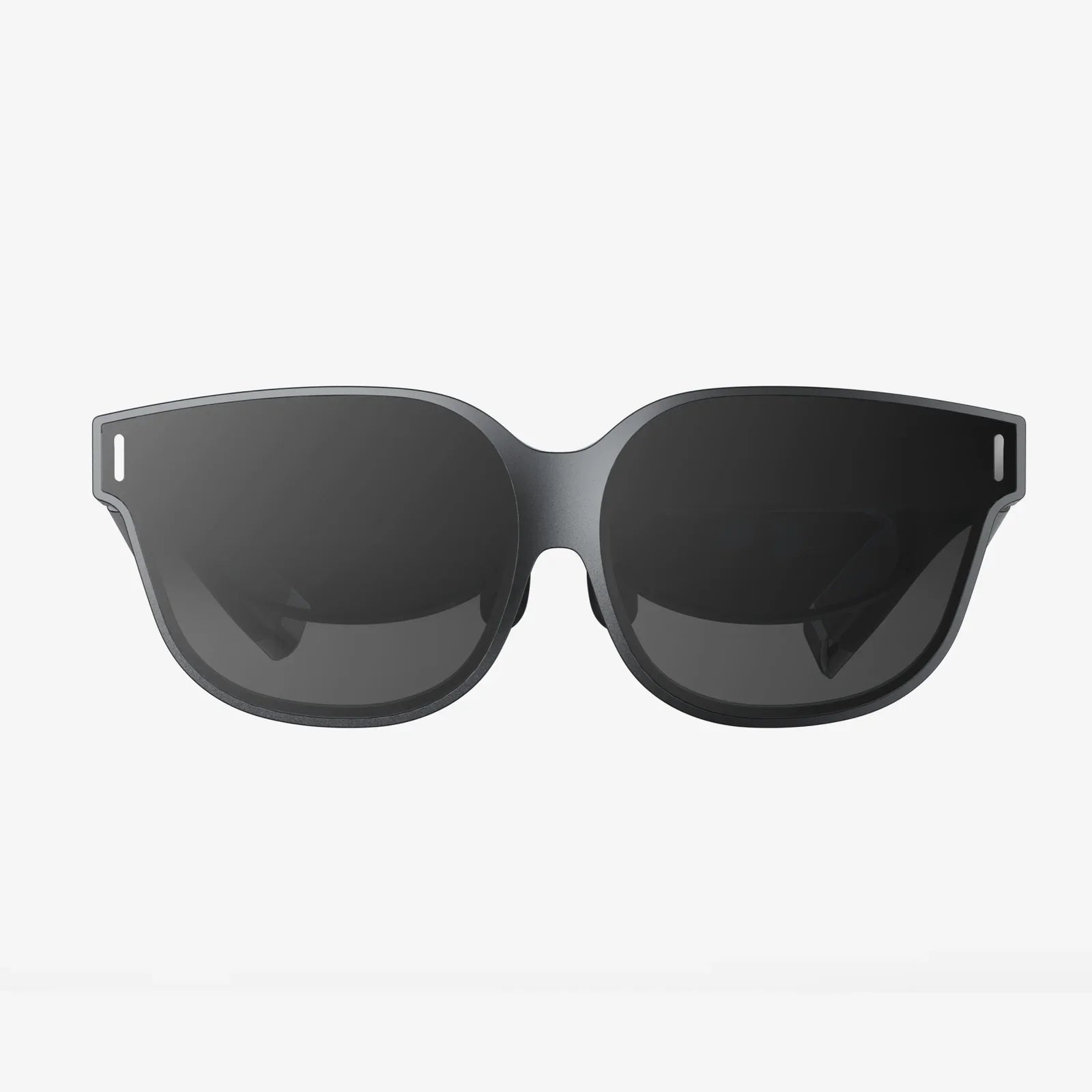
The single greatest barrier to mass AR adoption has historically been hardware. Early headsets were expensive, power-hungry, and socially isolating. The path to 2030 is defined by the rapid evolution of AR devices into a spectrum of form factors. We are moving towards sleek, socially acceptable smart glasses that resemble conventional eyewear, offering all-day battery life and high-resolution displays. Furthermore, the proliferation of AR-powered heads-up displays (HUDs) in the automotive sector and the continued dominance of smartphones as an AR access point create a multi-device ecosystem. This hardware evolution, driven by advances in micro-optics, battery technology, and 5G/6G connectivity, will dissolve the barrier between user and technology, making AR a persistent and effortless layer of reality.
While consumer applications capture the imagination, the enterprise sector is the undeniable workhorse fueling the current and near-term growth of the AR market. Companies are realizing immense returns on investment by deploying AR solutions for:
This enterprise adoption provides the stable revenue and proven use cases that build the foundation for the broader consumer market explosion expected later in the decade.
As hardware improves and costs decline, AR will cross the chasm from enterprise tool to consumer essential. The smartphone AR experiences of today—trying on sunglasses virtually or seeing furniture in your living room—are mere precursors. By 2030, AR will redefine core consumer activities:
Leading market research firms consistently project the global augmented reality market to reach well into the hundreds of billions, with many forecasts confidently breaching the $1 trillion mark by 2030. This growth is not uniform but is distributed across several key segments.
The market revenue is split between hardware, software, and services.
The enterprise segment, including industrial manufacturing, healthcare, automotive, and retail, is expected to hold the largest share of the market for the first half of the decade. However, the consumer segment—including gaming, social media, and live events—is predicted to experience the highest compound annual growth rate (CAGR), eventually rivaling or surpassing enterprise in value by 2030 as adoption becomes ubiquitous.
The impact of a trillion-dollar AR market extends far beyond corporate balance sheets. It will trigger a wave of societal changes that we are only beginning to comprehend.
The traditional office will be redefined. "Remote work" will take on a new meaning as colleagues from across the globe can collaborate around a virtual holographic whiteboard as if they were in the same room. This will democratize talent and create truly global teams, but it will also require new rules of engagement, management techniques, and digital etiquette.
AR represents the next step in the evolution of human-computer interaction, moving us from command-line interfaces to graphical user interfaces (GUIs) to what experts call spatial computing or reality interfaces. This shift will be as profound as the move from text-based MS-DOS to the graphical Windows or Mac OS. It will make technology more intuitive and accessible but will also require a rethinking of digital design principles.
The pervasive nature of AR raises critical questions. These devices will have an unprecedented view of the world through their cameras and sensors, collecting vast amounts of data about user behavior, environments, and interactions. Who owns this data? How is it used and secured? The industry must proactively establish ethical frameworks and robust privacy protections to build the trust necessary for mass adoption. The alternative is a dystopian future of constant surveillance and targeted manipulation.
The path to realizing the projected augmented reality market size 2030 is not without significant obstacles. Overcoming these hurdles is critical to achieving this forecasted potential.
The staggering figures associated with the augmented reality market size 2030 represent more than just economic activity; they quantify a paradigm shift. This is the moment where the digital and physical worlds cease to be separate realms and begin to merge into a unified, enhanced experience. The companies, developers, and policymakers who successfully navigate the technological challenges and ethical considerations will not only capture a portion of this immense market but will also play a defining role in shaping the next era of human experience. The world is about to get a new layer, and its potential is truly limitless.
Share:
Augmented Reality Production Design: Revolutionizing Storytelling and Spatial Creation
AR VR Technology Trends 2025: The Blurring Line Between Digital and Physical Realities