


Imagine a world where your living room becomes a showroom for a new sofa, your morning run is guided by digital avatars, and historical figures step out of textbooks to tell their stories. This is no longer the stuff of science fiction; it is the burgeoning reality of the augmented reality marketplace, a seismic shift in how we interact with information, products, and each other. This digital layer, superimposed onto our physical world, is not just a novel gimmick but is fundamentally rewiring the circuits of commerce, communication, and creation, promising an economic and experiential revolution.
The Architectural Pillars of the AR Marketplace
The foundation of any robust augmented reality marketplace rests on a sophisticated technological stack. At its core is the AR software development kit, the engine that allows creators to build immersive experiences. These toolkits provide the essential capabilities for environmental understanding, including motion tracking, plane detection, and light estimation, enabling digital objects to interact realistically with their physical surroundings.
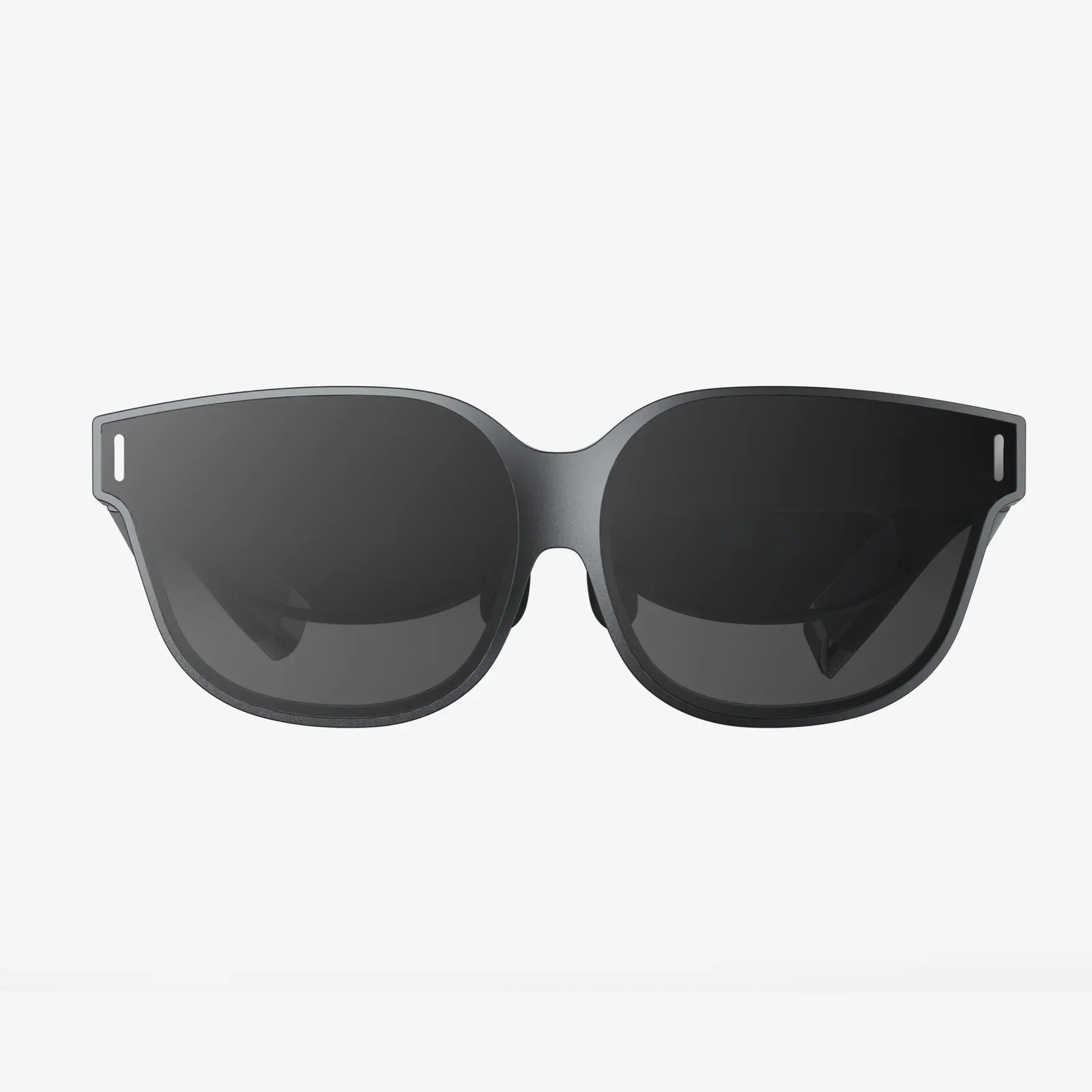
Crucially, the hardware ecosystem is diversifying rapidly. While smartphones serve as the ubiquitous gateway, providing access to billions of users instantly, dedicated smart glasses are emerging as the next evolutionary step. These wearable devices promise a hands-free, always-available interface, moving augmented interactions from a deliberate app-opening exercise to a seamless part of daily life. The convergence of high-resolution displays, spatial audio, and powerful, efficient processors is making these devices increasingly viable for mass adoption.
Underpinning the user experience is the critical network infrastructure. High-fidelity AR requires the low latency and high bandwidth promised by advanced mobile networks. The ability to stream complex 3D models and real-time data without perceptible lag is paramount for maintaining the illusion of digital objects existing in the real world. This symbiotic relationship between devices and networks is what will ultimately unlock the full, fluid potential of the augmented reality marketplace.
Transforming Retail: From Transaction to Experience
The most immediate and visible impact of the augmented reality marketplace is in the retail sector. It is solving a fundamental limitation of online shopping: the inability to physically interact with a product. Now, consumers can project a life-sized replica of a new armchair into their living room, walk around it, and see how its color and texture change with the natural light throughout the day. They can virtually try on watches, sunglasses, or makeup, experimenting with styles and combinations without ever setting foot in a store.
This shift moves commerce from a transactional model to an experiential one. Brands are no longer just selling a product; they are selling the confidence that comes with knowing it fits, matches, and works in the customer's unique environment. This dramatically reduces purchase hesitation and, consequently, the rate of product returns, a significant cost center for e-commerce businesses. The augmented reality marketplace is becoming a powerful tool for building brand loyalty by offering utility and delight beyond a simple catalog page.
Furthermore, it is democratizing customization. Customers can visualize not just standard products, but their personalized configurations—changing the fabric on a couch, the finish on a car, or the engraving on a piece of jewelry—in real-time, making them active participants in the creation of their goods. This level of engagement fosters a deeper emotional connection to the purchase, elevating it from a mere commodity to a co-created possession.
Beyond Retail: The Expansive Ecosystem of AR Commerce
While retail is the low-hanging fruit, the true potential of the augmented reality marketplace extends far beyond selling physical goods. It is creating entirely new categories of digital commerce and enhancing established industries.
In real estate, potential buyers can take immersive virtual tours of properties from anywhere in the world, but AR goes a step further. They can visualize proposed renovations, rearrange virtual furniture in empty rooms, and even see how the sunlight will fall at different times of the year. For travel and hospitality, tourists can point their devices at a landmark to unlock layers of historical information, see reconstructions of ancient ruins, or find AR-guided navigation cues overlaid onto city streets.
The education and training sector is being revolutionized. Medical students can practice complex surgical procedures on detailed, interactive holograms of human anatomy. Mechanics can see repair instructions and part diagrams overlaid directly onto the engine they are working on. This creates a learn-by-doing environment that is far more effective than traditional textbooks or videos.
Perhaps most intriguing is the rise of purely digital goods within the augmented reality marketplace. Artists can sell limited-edition AR sculptures that collectors can place in their homes or gardens. Brands can sell digital fashion items for social media photos or virtual meetings. Event promoters can sell AR concert experiences where digital performers appear on a user's desk. This creates a new asset class and economy for digital creators, blurring the lines between the physical and virtual worlds of ownership.
Navigating the Challenges: Privacy, Interoperability, and Access
The path to a mature and ubiquitous augmented reality marketplace is not without significant hurdles. The most pressing concern is privacy and data security. AR devices, by their very nature, are constantly scanning and processing the user's environment. This raises profound questions about who owns this spatial data, how it is stored, and how it might be used. The potential for unauthorized surveillance, data breaches, or the creation of detailed behavioral profiles is a serious threat that must be addressed through robust ethical frameworks and transparent regulations.
Another major challenge is interoperability and the creation of a unified world. Currently, most AR experiences are siloed within individual applications. A user might have one app for furniture and another for navigation, with no connection between the two. The vision of a persistent, shared digital layer—a true mirror world—requires open standards that allow different digital objects and experiences from various creators to coexist and interact within the same physical space. Without this, the augmented reality marketplace risks becoming a fragmented collection of walled gardens, limiting its potential.
Finally, there is the issue of the digital divide. High-quality AR experiences currently require relatively powerful and expensive hardware and fast data connections. Ensuring equitable access to prevent a new form of technological inequality is crucial. The societal and economic benefits of the augmented reality marketplace must be available to a broad population, not just a privileged few, to avoid exacerbating existing social divides.
The Future Horizon: Towards a Persistent and Social AR Layer
Looking ahead, the evolution of the augmented reality marketplace points towards a more persistent, contextual, and social future. We are moving from one-off experiences to a continuous digital layer that is always present and aware of its context. Your device will not just show you a product; it will understand you are in your kitchen and suggest a new coffee maker that fits perfectly on your counter, or remind you that you are low on a grocery item when you walk past the empty shelf.
Social interaction will be a core component. Friends will be able to leave digital notes and artwork in specific locations for each other to find. Shoppers will be able to see the virtual products their friends have recommended placed in the real world, or join them in a collaborative AR design session from different continents. This will transform the marketplace from a solitary browsing experience into a connected, communal activity.
Ultimately, the convergence of AR with other transformative technologies like artificial intelligence and the Internet of Things will create a truly intelligent environment. Your surroundings will become an interactive interface, and the distinction between searching for information online and finding it in your world will dissolve. The marketplace will be everywhere and nowhere at the same time—an invisible, intuitive network of commerce, content, and connection woven seamlessly into the fabric of everyday life.
The door to a world enriched with digital information and interactive experiences is now open, and the early entrants into this augmented reality marketplace are already sketching the blueprint for a future we once only dreamed of. The potential to reshape not only how we shop but how we learn, work, and connect with our environment is staggering, making this one of the most compelling and disruptive frontiers of the 21st century.
Share:
Was Ist Augmented Reality? The Digital Layer Transforming Our World
How Augmented Reality Works: A Deep Dive Into The Digital Overlay