


Imagine a world where digital information seamlessly overlays your physical reality, transforming how you work, learn, shop, and play. This is no longer the stuff of science fiction; it's the burgeoning promise of augmented reality (AR), and a multi-billion dollar race is on to capture its immense potential. The quest to identify and understand the augmented reality target market is one of the most critical endeavors for businesses and developers alike, as this technology shifts from novelty to necessity. Who are the early adopters? Which industries stand to gain the most? And what does the future hold for this transformative tech? The answers paint a picture of a market not defined by a single group, but by a diverse tapestry of applications poised to revolutionize our daily lives.
Defining the Augmented Reality Landscape
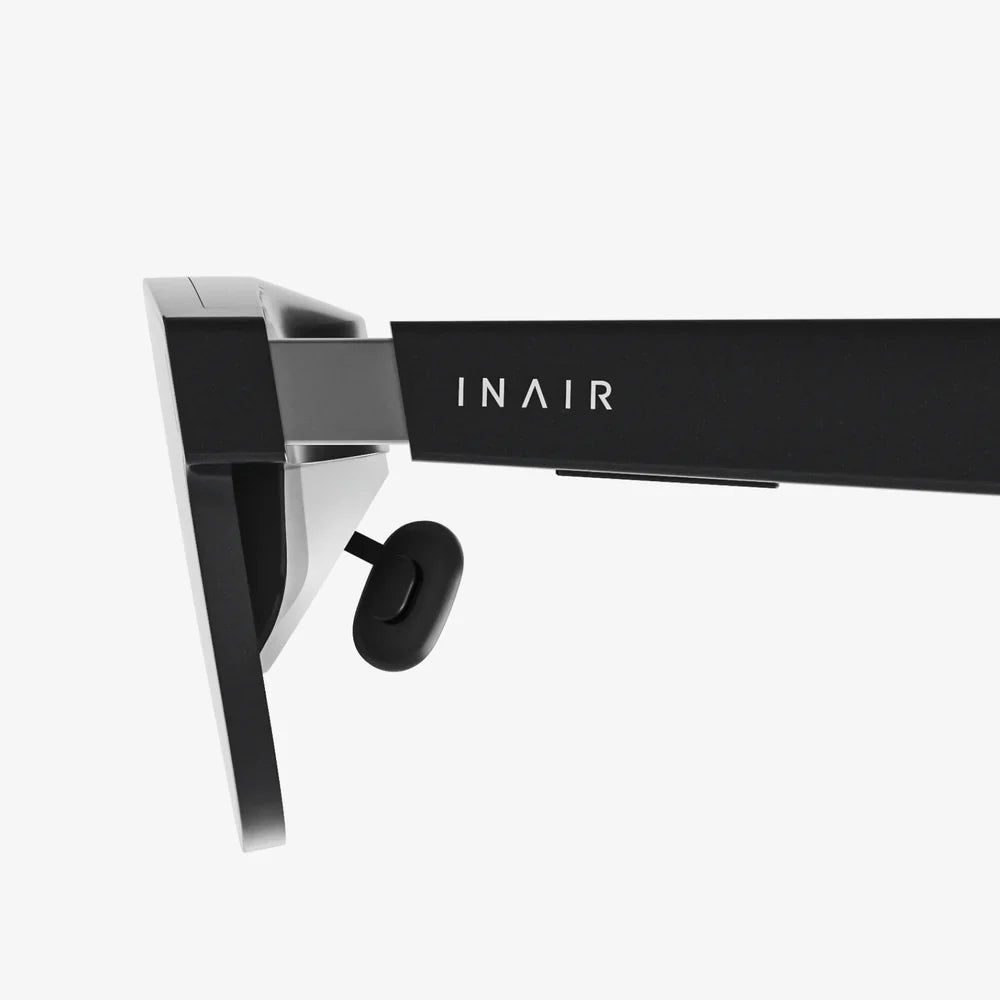
Before dissecting its target market, it's crucial to understand what augmented reality entails. Unlike virtual reality (VR), which creates a completely immersive digital environment, AR enhances the real world by superimposing computer-generated perceptual information onto it. This can include visual elements, sound, haptic feedback, and even olfactory data. Users experience AR through a variety of devices, from smartphones and tablets to specialized smart glasses and heads-up displays (HUDs). This spectrum of access points is a primary factor in defining the market's breadth, making the technology available to both mainstream consumers and specialized enterprise users.
The Enterprise Sector: The Powerhouse of Current AR Adoption
While consumer applications often grab headlines, the most significant and immediate value of AR is being realized within the enterprise and industrial sectors. This segment represents a mature and lucrative target market, driven by clear Return on Investment (ROI) metrics such as increased efficiency, reduced errors, and enhanced safety.
Manufacturing and Industrial Design
The manufacturing floor is a prime arena for AR implementation. Technicians can use AR glasses to view digital schematics overlaid directly onto the machinery they are repairing, eliminating the need to consult physical manuals or computer screens. This hands-free access to information drastically reduces task completion time and minimizes errors. Furthermore, AR is revolutionizing the design process. Engineers and designers can visualize and interact with 3D prototypes at scale, making collaborative design reviews more intuitive and effective before a single physical part is produced.
Healthcare and Medical Training
The healthcare industry is another critical pillar of the augmented reality target market. Surgeons are using AR to project critical patient data, such as vital signs and 3D models of organs, directly into their field of view during procedures. This improves precision and reduces distraction. Medical students are adopting AR for advanced training, practicing complex surgeries on virtual patients, and studying human anatomy through interactive, life-sized holograms. This technology is also aiding in patient care, with AR applications helping to explain complex medical conditions and procedures in an easily digestible visual format.
Retail and E-commerce
The retail sector is leveraging AR to bridge the gap between online and in-store shopping, creating a powerful tool for customer engagement and reducing return rates. The most prominent application is virtual try-on. Customers can use their smartphones to see how furniture would look in their living room, how a new shade of paint would appear on their wall, or how a pair of glasses fits their face. This “try before you buy” capability not only enhances consumer confidence but also provides retailers with valuable data on customer preferences and behavior.
Field Service and Maintenance
For companies managing large, distributed assets—from wind turbines to telecommunications networks—AR is a game-changer. Field service engineers equipped with AR devices can receive remote expert guidance. A senior specialist can see what the on-site technician sees and annotate their real-world view with arrows, diagrams, and notes to guide them through a complex repair. This reduces the need for costly expert travel, shortens downtime, and empowers less experienced technicians to perform advanced tasks.
The Consumer Market: From Gaming to Everyday Life
Though its enterprise applications are more established, the consumer-facing augmented reality target market is vast and rapidly expanding, driven largely by the ubiquity of powerful smartphones.
Gaming and Entertainment
The success of mobile games that overlay digital creatures and characters onto the real world introduced millions of consumers to the potential of AR. This sector continues to grow with more sophisticated location-based experiences and social AR filters that dominate popular social media platforms. These applications have normalized AR technology for a generation of users, creating a fertile ground for more advanced and utility-driven apps in the future.
Social Media and Communication
Social media platforms have become a primary gateway for consumer AR. Filters and lenses that alter a user's appearance or environment are now a fundamental part of the social experience. This has created a massive market for digital artists and developers and has accustomed users to interacting with augmented content daily. The next evolution involves persistent AR worlds and shared experiences, where digital content is anchored to specific locations for anyone to see and interact with.
Education and Interactive Learning
AR has profound implications for education, making learning more engaging and immersive. Textbooks can be augmented with 3D models, historical events can be reenacted in a classroom, and complex scientific concepts can be visualized in real-time. This target market includes not only K-12 and higher education institutions but also informal learning environments like museums and libraries, which use AR to bring exhibits to life.
Demographic Segmentation: Who is Using AR?
The AR user base is not monolithic; it varies significantly by application. The enterprise user is typically a trained professional whose use is mandated by workflow efficiency. Demographically, this spans a wide age range within the workforce, though adoption is often led by tech-forward companies and younger, digitally-native employees.
The consumer demographic is heavily skewed towards younger generations, particularly Millennials and Gen Z, who have grown up with mobile technology and are more comfortable experimenting with new digital experiences. However, utility-driven applications, like furniture placement or navigation aids, have strong cross-generational appeal, particularly as the technology becomes more intuitive and seamlessly integrated into everyday devices.
Challenges and Barriers to Market Growth
Despite its potential, the augmented reality target market faces several hurdles that must be overcome for widespread adoption. For enterprise users, the high cost of dedicated hardware, such as advanced smart glasses, can be a barrier. Concerns about data security, user privacy, and the integration of AR systems with existing enterprise software infrastructure also present significant challenges.
On the consumer side, the experience is often hampered by the limitations of smartphone-based AR, including short battery life, processing constraints, and the awkwardness of holding up a device. The development of comfortable, stylish, and affordable AR wearables is considered the key to unlocking the next wave of consumer adoption. Furthermore, creating truly compelling and useful content that moves beyond gimmicks remains a central challenge for developers.
The Future Trajectory of the AR Market
The future of the augmented reality target market points towards convergence and ubiquity. The lines between enterprise and consumer use will blur as the same device used for industrial maintenance could also power immersive entertainment and communication. The eventual maturation of AR glasses, aiming to replace the smartphone as the primary connected device, will be the defining shift, creating a truly mass-market product.
Advancements in enabling technologies—such as 5G connectivity for low-latency cloud processing, improved computer vision for better object recognition, and more powerful, efficient processors—will dissolve current technical limitations. This will enable more sophisticated applications in areas like real-time translation, advanced navigation with arrows drawn onto the street, and contextual information constantly available about the world around us. The market will expand from targeted applications to a general-purpose computing platform.
The journey to a fully realized augmented reality target market is still in its early chapters, but the narrative is one of explosive growth and profound transformation. From the factory floor to the living room, AR is demonstrating its unique ability to enhance human capability and reshape digital interaction. The businesses and innovators who successfully navigate this complex and fragmented landscape, understanding the nuanced needs of each segment, will be the ones to define the next era of computing. The race isn't just to build the technology; it's to understand the people who will use it to redefine reality itself.
Share:
How Does Augmented Reality Work Step-by-Step: A Deep Dive into Digital Overlays
AI Glasses Wearable Technology: The Dawn of a Seamless Augmented Future