


- by wangfred
Auto Adjusting Glasses Technology: The Future of Vision is Here
- by wangfred
Imagine a world where the blurry transition from reading a book to looking at a distant horizon is seamless, instantaneous, and perfectly clear—without ever fumbling for a second pair of spectacles or tilting your head to find the right sliver of a bifocal lens. This is no longer the stuff of science fiction; it is the reality being ushered in by auto adjusting glasses technology, a revolutionary leap in optical engineering that promises to fundamentally change our relationship with vision correction. This technology does not merely correct sight; it adapts to it, creating a dynamic, personalized visual experience that responds to our needs in real-time. The implications are staggering, offering a glimpse into a future where our tools don't just assist our senses but actively collaborate with them.
The human desire for perfect, adaptable vision is centuries old. The invention of spectacles in the 13th century was a monumental breakthrough, but it was a static solution to a dynamic problem. For generations, those with presbyopia—the age-related loss of near focus—have been burdened with the clumsy compromise of bifocals or trifocals, invented by Benjamin Franklin in the 18th century. These designs, while innovative for their time, created jarring visual jumps and required the wearer to consciously move their eyes or head to access different corrections. Progressive addition lenses later offered a smoother transition zone but introduced their own issues with peripheral distortion. The entire history of eyeglasses has been a story of the human eye adapting to a static, man-made tool. Auto adjusting glasses technology flips this paradigm entirely, creating a tool that dynamically adapts to the human eye.
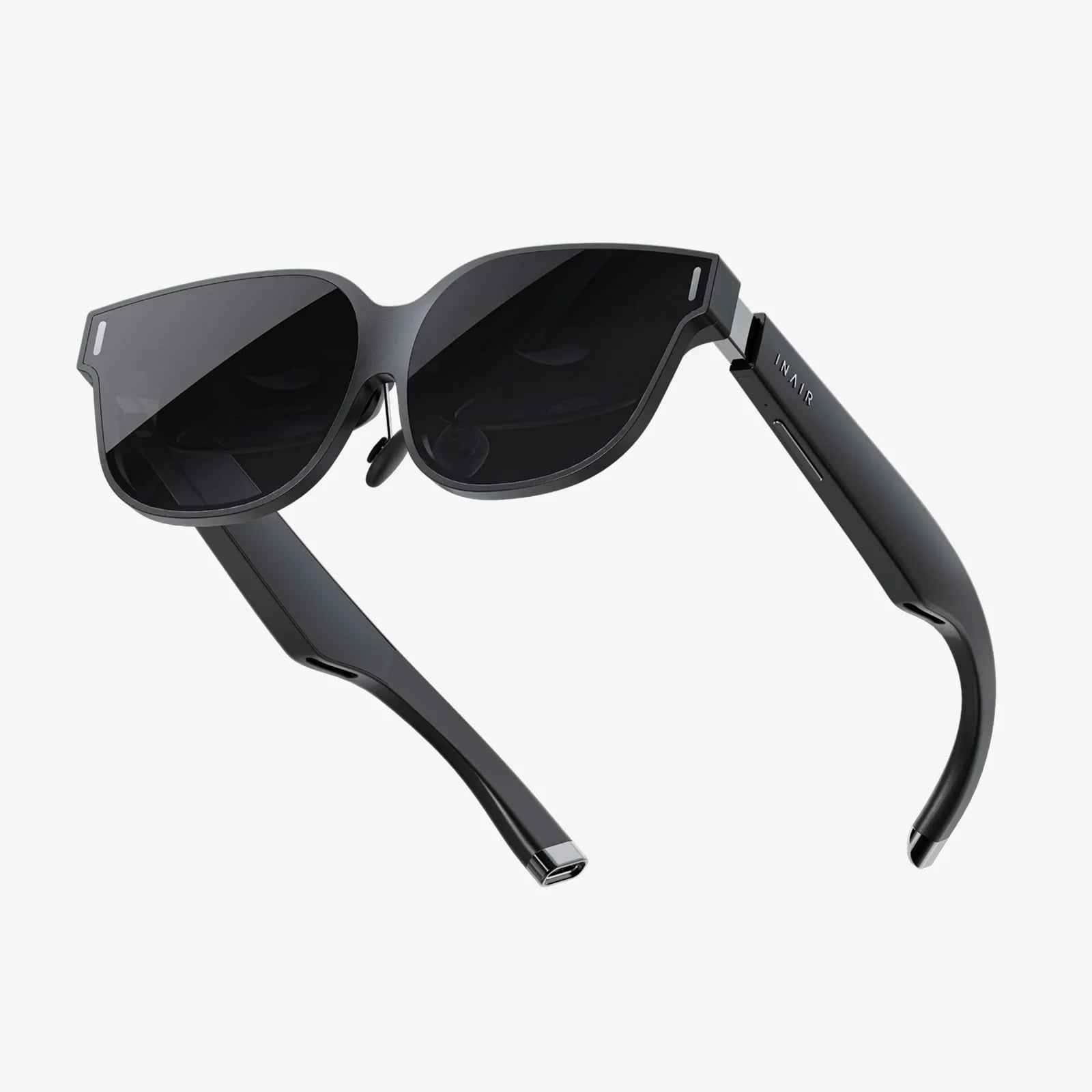
At its heart, auto adjusting glasses technology is a sophisticated fusion of optics, mechanics, and electronics. While different implementations exist, they generally operate on a few core principles, creating a seamless feedback loop between the user's intent and the lens's function.
Many modern auto-focusing systems utilize lenses filled with a thin layer of liquid crystal, a substance that can change its properties when an electrical current is applied. In its neutral state, the molecules in this layer are arranged to provide one specific optical power, say, for distance vision. When a small, imperceptible electrical charge is introduced, these molecules realign, altering the refractive index of the lens and thus changing its focal power. This change can be finely controlled and adjusted across the entire surface of the lens or in specific zones, allowing for a shift in power that is both rapid and smooth, eliminating the hard lines of traditional multifocals.
A lens that can change its power is useless without knowing when and how to change. This is where sophisticated sensors come into play. Miniaturized components embedded in the frames work tirelessly to gather data. An accelerometer and gyroscope determine the orientation of the wearer's head—are they looking down to read or straight ahead to drive? A depth-sensing camera or a series of micro-ranging sensors measures the distance to the object the user is looking at, whether it's a smartphone 12 inches away or a street sign 50 feet away. This suite of sensors acts as the eyes of the system, constantly feeding environmental data to its central processor.
The data from the sensors is sent to a tiny, low-power microprocessor, the brain of the operation. This chip runs complex algorithms that interpret the sensor input in real-time. It makes a millisecond decision: based on the head position and the measured distance, what is the user's most likely intent? It then calculates the exact electrical signal needed to adjust the liquid crystal layer to the perfect optical power for that specific task. This entire process—sensing, processing, and adjusting—happens continuously and imperceptibly fast, creating a fluid and natural viewing experience.
The most obvious benefit of auto adjusting glasses technology is the sheer convenience of never switching glasses again. However, its impact runs far deeper, enhancing safety, accessibility, and overall quality of life.
Consider the act of driving. A driver constantly shifts focus between the road ahead, the dashboard, and side mirrors. With traditional progressive lenses, the areas for intermediate and near vision are limited, requiring awkward head movements that can take attention away from the road for a critical split-second. Auto-adjusting glasses provide a full-field, optimized view for every glance, significantly reducing cognitive load and physical strain. This technology also combats digital eye strain, or Computer Vision Syndrome, by instantly optimizing focus for screen distance, reducing the need for the eye's focusing muscle to constantly strain.
For individuals with certain types of low vision or extreme prescriptions, traditional glasses offer only a partial solution. Auto-adjusting technology can provide a wider range of correction and adapt to more specific and variable needs. Furthermore, the technology holds promise for those with dynamic vision impairments where their prescription can change throughout the day due to medical conditions. In the future, this technology could be integrated with other assistive technologies, offering auditory feedback or connectivity to other devices, creating a more holistic aid for the visually impaired.
The constant search for the right glasses, the anxiety of forgetting them, and the self-consciousness associated with bulky multifocals carry a psychological weight. Auto-adjusting glasses offer a form of liberation. They restore a natural, effortless way of seeing that most people lose with age. This seamless integration of technology into a daily essential item can reduce frustration and increase confidence, allowing users to engage with the world on their own terms, without their vision being a constant reminder of its limitations.
Like any pioneering technology, auto adjusting glasses face hurdles to widespread adoption. The initial cost is a significant barrier, as the complex embedded technology and manufacturing precision make them more expensive than traditional high-end eyewear. Battery life is another crucial factor; these devices require power, necessitating a lightweight, long-lasting battery and a convenient charging solution, likely a wireless charging case. There are also questions of durability, repair, and how the technology will be customized during eye exams. Optometrists will need new tools and training to program and fine-tune these dynamic devices to a patient's unique and evolving prescription.
The current iteration of auto adjusting glasses is just the beginning. The future development path is incredibly exciting. We can anticipate integration with augmented reality (AR), where dynamically focusing lenses will be critical for overlaying digital information onto the real world clearly and comfortably at any distance. Artificial intelligence will play a larger role, with systems learning from a user's habits and visual preferences to predict and pre-adjust for their needs. Further miniaturization will make the technology indistinguishable from regular fashion frames. We may even see the technology evolve beyond correcting refractive errors to enhancing human vision, such as providing low-light amplification or telephoto capabilities.
The journey from static glass lenses to dynamic, intelligent visual aids represents one of the most significant advancements in personal health technology. Auto adjusting glasses technology is more than a product; it is a platform. It is the foundational step toward a future where our eyewear is not a passive tool but an active partner in perception, enhancing our interaction with the world in ways we are only beginning to imagine. The barrier between the human eye and the perfect image is finally beginning to fade, promising a clearer, more effortless, and more connected visual experience for all.
Share:
AR VR Visualization Technology: The New Frontier of Human Experience and Enterprise
AR VR Visualization Technology: The New Frontier of Human Experience and Enterprise