


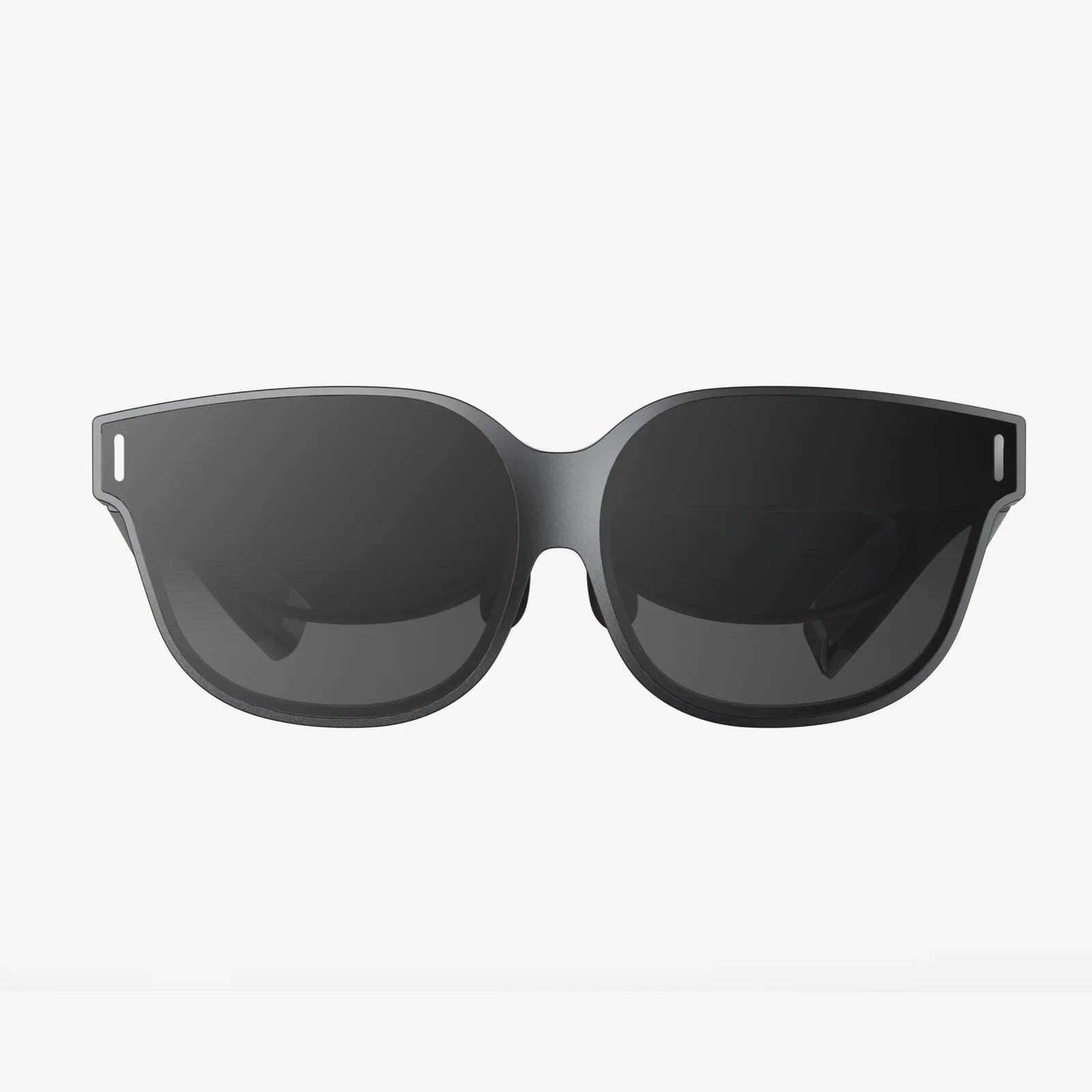
Imagine a world where your vision is always perfectly tuned to your environment, where the frustrating fumble for a second pair of glasses becomes a distant memory, and where your eyewear anticipates your needs before you even realize them. This is no longer the realm of science fiction; it is the promise and reality of automatic lens glasses, a technological leap that is fundamentally reshaping our relationship with vision correction. This innovative category of eyewear represents a convergence of optics, micro-engineering, and smart technology, creating a seamless, adaptive experience that is changing lives one blink at a time.
The Core Technology: How Do They Work?
At the heart of automatic lens glasses lies a sophisticated dance between sensors, processors, and optical systems. Unlike traditional static lenses, these smart spectacles are dynamic, capable of altering their focal power or tint in response to external stimuli. The magic happens through a few key technological principles, often working in tandem.
One of the most common implementations is electroactive lens technology. These lenses are crafted from special materials, often liquid crystal-based, that change their refractive index—the way they bend light—when a small electrical current is applied. Tiny, almost invisible electrodes are embedded within the lens structure. When the system's microprocessor determines a change is needed, it sends a precise electrical signal across these electrodes, causing the liquid crystal molecules to realign. This realignment alters the optical path, effectively changing the lens's prescription from, for example, a distance vision correction to a reading correction in a fraction of a second.
Another prevalent technology is photochromic adaptation, but supercharged for the digital age. While traditional photochromic lenses react slowly to ultraviolet (UV) light, advanced automatic versions can use electronic sensors to detect ambient light levels and conditions far more precisely. These sensors feed data to a microchip, which can then instantly trigger a darkening or lightening of the lenses, often with a wider range and faster speed than passive technology allows. Some systems can even differentiate between glaring sunlight and the harsh blue light emitted from digital screens, adjusting accordingly to reduce eye strain.
Beyond Bifocals: The Multifocal Revolution
For individuals with presbyopia—the age-related loss of near focus—automatic lens glasses are nothing short of revolutionary. The traditional solutions—bifocals, trifocals, or progressive lenses—all require the user to physically move their head or eyes to look through the correct segment of the lens. This can lead to awkward postures, eyestrain, and a notoriously difficult adaptation period, especially for new progressive lens wearers who often complain of a "swim effect" in their peripheral vision.
Automatic lenses obliterate this compromise. With a seamless, full-field-of-view design, the entire lens is your vision zone. Whether you're driving, working on a computer, reading a book, or glancing at your wristwatch, the lenses automatically adjust their power to provide the sharpest possible focus for the task at hand. The user experience is one of effortless clarity. There's no learning curve, no need to tilt your chin, and no distinct lines in your vision. It is, for many, the first time they have experienced truly natural, dynamic vision since their youth.
A Boon for Lifestyle and Convenience
The practical benefits of this technology extend far beyond the clinic. Consider the daily rituals that are simplified. A chef can look from a recipe on a high shelf to finely chopping herbs on the counter without a moment's visual lag. A hobbyist can transition from examining a detailed project in their hands to looking across the room for a tool. For professionals, the ability to seamlessly shift focus between multiple computer screens, physical documents, and colleagues across a meeting room eliminates a significant source of cognitive load and fatigue. The convenience factor is immense, effectively condensing an entire optical drawer—distance glasses, computer glasses, reading glasses—into a single, elegant frame.
This hands-free adaptability also enhances safety and reaction times. Drivers emerging from a dark tunnel into bright sunlight no longer have to struggle with temporary blindness as their lenses adapt near-instantaneously. Similarly, cyclists or runners moving through dappled light under tree cover can maintain consistent, clear vision without the dangerous delay of traditional transitional lenses.
Addressing the Challenges and Considerations
As with any pioneering technology, automatic lens glasses are not without their current limitations and points for consumer consideration. The most immediate factor for many is cost. The integration of micro-electronics, sophisticated materials, and complex manufacturing processes means these glasses represent a significant investment compared to traditional eyewear. However, many users find the price justified by the unparalleled convenience and quality of life improvement, viewing it as a long-term investment in their daily comfort and productivity.
Another consideration is power and durability. These are electronic devices and thus require a power source. Most models utilize a discreet, integrated rechargeable battery that typically lasts a full day on a single charge. While the frames are designed to be as robust and water-resistant as possible, they are inherently more complex than a standard pair of glasses, potentially requiring more specialized care and maintenance. The industry is continuously innovating to improve battery life, often measured in days rather than hours, and to enhance overall ruggedness.
Finally, there is a short adaptation period. While vastly easier than adapting to progressive lenses, some users need a brief day or two to get used to the feeling of their vision changing without their direct input. The brain quickly learns to trust the technology, and soon the adjustments become subconscious and seamless.
The Future Horizon: Where Do We Go From Here?
The current state of automatic lens glasses is impressive, but it is merely the foundation for an even more integrated future. We are moving towards a paradigm of truly "connected vision." The next generation of this technology is poised to incorporate health monitoring sensors that can track blink rate, a key indicator of focus and fatigue, or even detect signs of certain neurological conditions. Imagine glasses that not only correct your vision but also provide gentle reminders to take a break from the screen based on your actual usage patterns.
Further down the line, we can anticipate integration with augmented reality (AR) platforms. Automatic focus will be a critical enabling technology for comfortable, long-term AR use, allowing digital overlays to be perfectly in focus regardless of where the user is looking in the physical world. This convergence could transform everything from navigation and education to remote assistance and entertainment, all through a single, adaptive pair of lenses.
The technology will also become more personalized. Through companion applications, users may one day be able to fine-tune the responsiveness of their lenses, create custom profiles for specific activities like reading or gaming, and receive software updates that continuously improve optical algorithms and introduce new features, much like updating a smartphone.
The era of passive eyewear is drawing to a close. We are entering an age of intelligent, responsive vision systems that work in harmony with our bodies and our environments. Automatic lens glasses are not just a product; they are a platform, a gateway to a future where our sight is enhanced, protected, and seamlessly connected to the digital world. The question is no longer if you will own a pair, but when you will make the switch to a smarter way of seeing.
Share:
New AR Glasses Technology: The Invisible Revolution Reshaping Our World
Smart Glasses with AI Assistant Built In: The Dawn of a Seamless Digital Life