


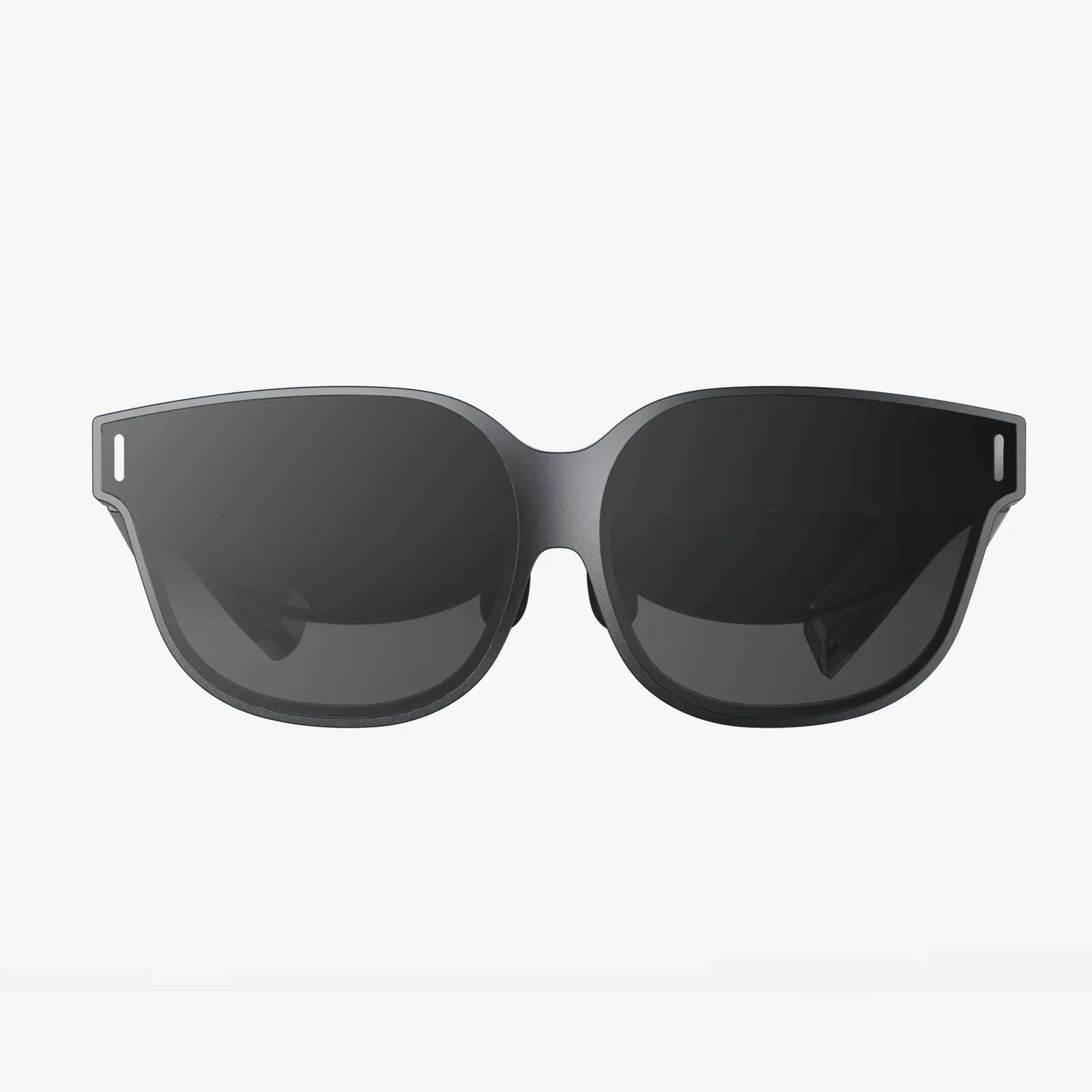
- by wangfred
Average Price of Smart Glasses: A Deep Dive into the Cost of Wearing the Future
- by wangfred
Imagine a world where information floats effortlessly before your eyes, where digital assistants whisper in your ear without a visible device, and the line between the physical and digital realms seamlessly blurs. This is the promise of smart glasses, a piece of technology that feels ripped from the pages of science fiction. But for many, the first question isn't about their incredible potential; it's a far more practical one: just how much do they cost? The journey to understand the average price of smart glasses is a fascinating exploration of cutting-edge innovation, market strategy, and the very definition of value in the tech world.
To comprehend the average price, one must first move beyond the idea of simple eyewear. A pair of reading glasses might set you back a few dozen dollars, but smart glasses are a different beast entirely. They are sophisticated, miniaturized computers worn on your face. The price is a reflection of the advanced components and engineering packed into a remarkably small and socially acceptable form factor. It's a symphony of hardware, software, and design, and each element contributes to the final cost.
The heart of any smart glasses' cost lies in its internal components. These are the non-negotiable elements that define their functionality.
This is often the single most expensive component. The technology used to project images onto your retina or onto a tiny transparent screen is a marvel of optical engineering. Options include:
The research, development, and precision manufacturing of these micro-displays command a premium price, significantly influencing the average cost.
Smart glasses require a System-on-a-Chip (SoC) similar to those found in high-end smartphones, albeit often more specialized for low-power, high-efficiency tasks. This processor handles everything from running the operating system and applications to processing data from various sensors. Ample RAM and storage are also necessary for a smooth user experience. This computing core is a significant cost driver.
To interact with the world, smart glasses are equipped with an array of sensors. This can include high-resolution cameras for photos and video, accelerometers, gyroscopes, magnetometers (for spatial tracking), ambient light sensors, and even eye-tracking sensors. Each additional sensor adds to the component cost and the complexity of the device's software and integration.
Unlike headphones, premium smart glasses often use innovative audio solutions like bone conduction or miniature directional speakers that beam sound directly into the ear canal without blocking ambient noise. Developing and implementing these discreet, high-fidelity audio systems requires specialized expertise and adds to the bill of materials.
Perhaps the greatest engineering challenge is power. Fitting a battery with enough capacity to last a full day into an arm of a pair of glasses, coupled with sophisticated power management software to maximize efficiency, is a huge technical hurdle. Advanced battery technology and power-saving chipsets are costly to develop and implement effectively.
The physical components tell only part of the story. A substantial portion of the price funds the immense research and development required to make these devices possible.
Years of research go into miniaturizing components, developing new optical systems, creating efficient software architectures, and ensuring user comfort. This R&D investment, often amounting to hundreds of millions of dollars, is recouped through the final product's price.
The hardware is useless without a robust operating system, developer tools (SDKs), and a thriving app ecosystem. Building and maintaining this software platform is an ongoing, expensive endeavor that is factored into the product's cost.
For smart glasses to be adopted, they cannot look like clunky prototypes. They must be fashionable, lightweight, and comfortable. This involves collaboration with designers, the use of premium materials like titanium, carbon fiber, and high-grade acetates, and ensuring durability. This focus on aesthetics and ergonomics adds a significant premium over purely functional designs.
The term "smart glasses" encompasses a wide range of products, and the average price is pulled in different directions by various market segments.
At this end, you typically find glasses with very limited functionality, often focusing on a single feature like audio. They may have basic speakers and a microphone for taking calls and listening to music, but they lack integrated displays or advanced AR capabilities. They are essentially Bluetooth headphones in the form of glasses. This segment establishes a lower bound for the market.
This is a crowded and rapidly evolving space. Here, you find glasses with more advanced audio, better build quality, and sometimes simpler display systems that might show basic notifications, control music, or offer limited translation features. They often partner with well-known eyewear brands for styling. This tier is crucial for driving consumer adoption and heavily influences the perceived "average" price, which currently sits in the $300 to $600 range for capable audio-focused models.
This is where true augmented reality comes to life. Glasses in this category feature advanced waveguide displays, powerful processors, a full suite of sensors, and are designed for professionals in fields like manufacturing, logistics, medicine, and field service. Their price reflects their ruggedness, high-end performance, and specialized software. They are tools, not consumer gadgets, and their cost is justified by the productivity gains they offer businesses.
This ultra-premium segment includes the latest experimental technology, the highest-resolution displays, the most advanced tracking, and often custom fittings. These are purchased by developers, enterprise clients with specific needs, and tech enthusiasts who demand the absolute best, regardless of price.
Historically, breakthrough technologies start expensive and gradually become more affordable. Smart glasses are following a similar, albeit complex, path.
The "average" price is therefore a moving target. We can expect the cost of entry-level and mainstream models to fall, making basic smart glasses as common as wireless earbuds are today. However, the high end will continue to push the boundaries of what's possible, with a price tag to match.
So, what is the true average price of smart glasses? It's a spectrum, not a single number. While you can find basic audio models for under $200 and futuristic AR spectacles commanding over $3,000, the sweet spot for capable, consumer-ready technology currently hovers between a few hundred and a thousand dollars. This price is a testament to the incredible engineering required to shrink a computer onto your face. It represents not just the cost of materials, but the cost of building the future—one that you can wear. As this technology continues its rapid evolution, the value proposition will only intensify, transforming today's premium gadget into tomorrow's indispensable tool, seamlessly integrated into the fabric of our daily lives and, for many, well worth the investment.
Share:
First AR Headset: The Dawn of a New Reality and Its Uncharted Legacy
VR Headset for 6.9 Inch Phone: Your Ultimate Guide to Mobile Immersion