


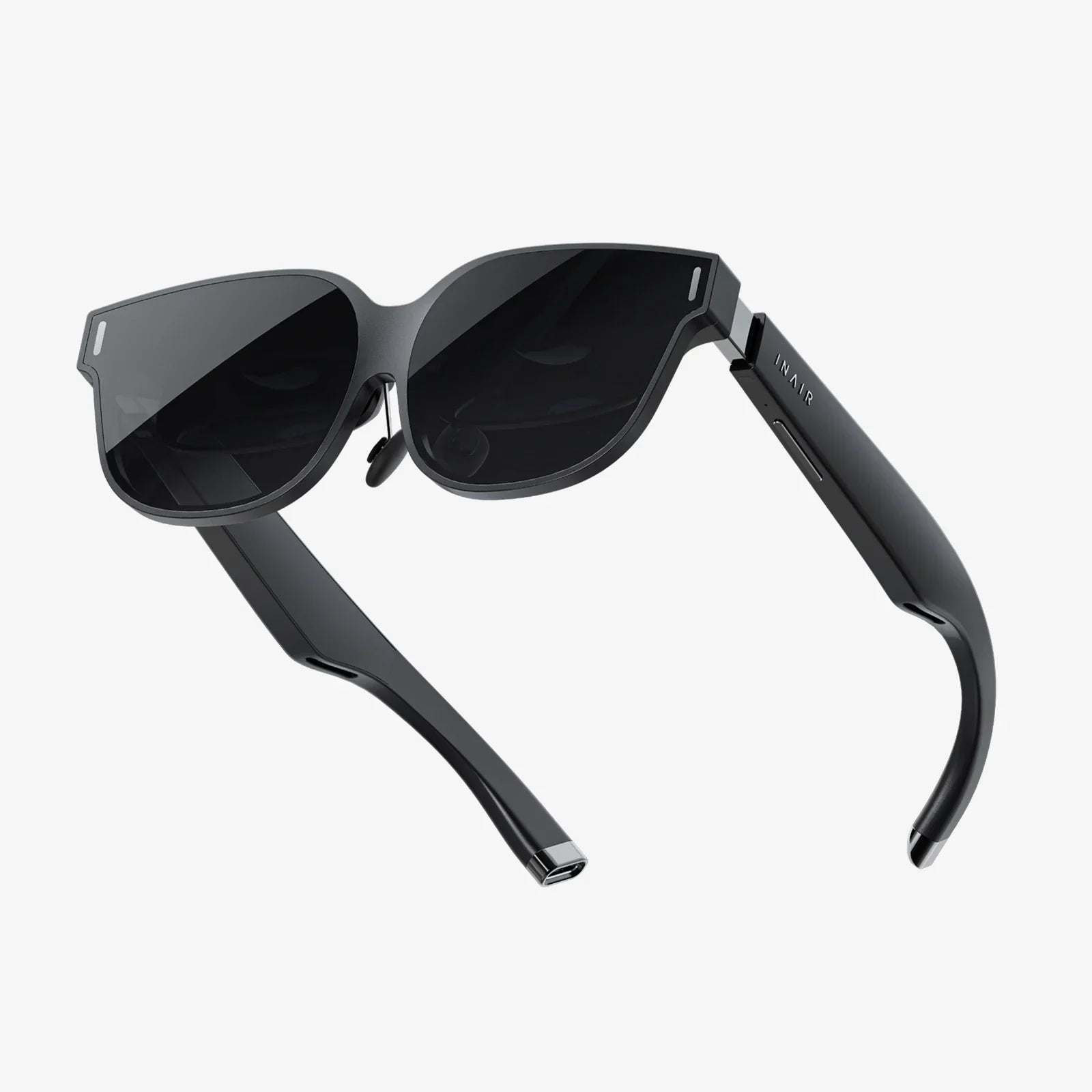
Imagine stepping into a world limited only by the boundaries of imagination, where you can perform complex surgery, walk on Mars, or reunite with a loved one from across the globe—all without leaving your room. This is the breathtaking promise of virtual reality, a technology that is rapidly reshaping our perception of reality itself. Yet, for every exhilarating possibility, a shadow of concern emerges, questioning the price we might pay for such profound digital immersion. The journey into the virtual is not a simple tale of good or evil but a complex landscape of incredible benefits and significant harms that we are only beginning to understand.
The Transformative Power: A Force for Good
The beneficial applications of virtual reality are as diverse as they are profound, stretching across numerous fields to offer solutions that were once the stuff of science fiction.
Revolutionizing Education and Training
In the realm of education, VR acts as a powerful time machine and teleportation device. Instead of reading about ancient Rome, students can don a headset and walk through a meticulously reconstructed Forum, hearing the echoes of history and witnessing events unfold around them. This experiential learning fosters a deeper, more visceral understanding that textbooks alone cannot provide.
For professional training, the advantages are even more striking. Medical students can practice intricate surgical procedures on virtual patients, making critical mistakes without any risk to human life. Aspiring pilots can navigate through violent storm simulations, and mechanics can learn to repair complex engine models that don't physically exist. This hands-on training in a consequence-free environment accelerates skill acquisition and enhances muscle memory, building confidence and competence before individuals ever engage with the real-world scenario.
Advancements in Healthcare and Therapy
Perhaps one of the most laudable uses of VR is in the field of healthcare, where it is providing groundbreaking therapeutic interventions. For patients undergoing painful medical procedures or enduring long hospital stays, VR serves as a powerful distraction tool, immersing them in calming, engaging environments that significantly reduce perceived pain and anxiety levels.
In mental health, exposure therapy is being revolutionized. Patients with phobias, such as a fear of heights or flying, can be gradually and safely exposed to their triggers within a controlled virtual setting. Therapists can adjust the intensity of the exposure in real-time, providing a safe space for patients to build coping mechanisms. Similarly, VR is being used to treat post-traumatic stress disorder (PTSD) by allowing veterans and others to process traumatic memories in a manageable way, facilitated by a professional.
Furthermore, VR offers new avenues for physical rehabilitation. Stroke victims and individuals with mobility issues can engage in gamified exercises that make repetitive physical therapy tasks more enjoyable and motivating, often leading to better adherence and improved outcomes.
Fostering Social Connection and Empathy
At its core, VR has the potential to be a profoundly social technology. Social VR platforms allow people to gather as lifelike avatars, sharing a sense of presence and space that traditional video calls cannot replicate. Families separated by oceans can share a virtual living room, friends can attend a concert together from different countries, and colleagues can collaborate on 3D models in a shared virtual workspace.
Beyond mere connection, VR is a powerful engine for empathy. Narrative experiences that place users in the shoes of a refugee, a person with a disability, or someone experiencing social injustice can foster a deeper, more personal understanding of these plights. This "empathy machine" quality can be a potent tool for education and social change, breaking down barriers and building bridges of understanding.
The Hidden Costs: Navigating the Risks and Harms
Despite its immense potential, virtual reality is not without its dark side. The very intensity of the experience that makes it so powerful also makes it a source of unique and concerning harms.
Physical and Physiological Repercussions
The most immediate negative effects are physical. VR-induced nausea, often called "cybersickness," is a common problem arising from a disconnect between what the eyes see (movement) and what the vestibular system in the inner ear feels ( stillness). This can lead to dizziness, headaches, and vomiting, limiting usage time for many individuals.
Prolonged use can also lead to visual strain and headaches, as users focus and converge their eyes on a fixed-depth pixel screen, which contradicts how we naturally focus in the real world. There are also tangible risks in the physical environment; immersed users can easily trip over furniture, walk into walls, or strike objects (or people) they cannot see, posing a safety hazard that requires clear physical boundaries.
Psychological and Neurological Impact
The psychological impact of VR is a growing area of concern. The phenomenon of "virtual dissociation" or "presence" is so strong that it can lead to a blurring of lines between the virtual and the real. After extended sessions, some users report feeling a strange sense of disorientation or questioning the nature of their physical reality, a feeling sometimes dubbed "VR hangover."
There is a potential for addiction, as virtual worlds can be engineered to be more stimulating, rewarding, and appealing than mundane reality. This could lead to users neglecting real-world responsibilities, relationships, and their physical health. The risk is particularly acute for individuals already prone to escapist behaviors.
Furthermore, the concept of "proteus effect" suggests that users may begin to embody the behaviors and attitudes of their avatars. While this can be positive (e.g., embodying a confident avatar increasing real-world confidence), it could also reinforce negative stereotypes or lead to identity confusion, especially in younger users whose sense of self is still developing.
Societal and Ethical Quandaries
On a broader scale, VR presents serious societal challenges. The creation of "perfect" virtual experiences could devalue real-world interactions and experiences, leading to a society that prefers a curated digital existence over an imperfect reality. The data privacy concerns are monumental; VR headsets can collect an unprecedented amount of biometric data, including eye-tracking, gait analysis, vocal inflection, and even emotional responses. This data is incredibly valuable and could be exploited for targeted advertising or more manipulative purposes without robust ethical guidelines and regulations.
The potential for misuse is alarming. VR could become the ultimate platform for hyper-realistic misinformation, propaganda, and immersive manipulation. Imagine being placed at the center of a fabricated but convincing political event. Similarly, virtual crimes, such as harassment and assault, can feel intensely real to the victim, raising complex legal and ethical questions about jurisdiction and punishment in digital spaces.
Striking a Balance: Towards a Responsible Virtual Future
The path forward does not lie in rejecting virtual reality but in embracing it with caution, critical thinking, and a strong ethical framework. The goal must be to maximize its incredible benefits while actively mitigating its inherent risks.
This requires a multi-faceted approach. Technologists and developers must practice ethical design, prioritizing user well-being by implementing usage breaks, designing experiences to minimize cybersickness, and building robust privacy protections from the ground up. Policymakers need to craft intelligent regulations that protect citizens, particularly vulnerable populations like children, without stifling innovation.
Most importantly, digital literacy must evolve. Users need to be educated on both the potentials and the pitfalls of VR. They must be empowered to curate their digital diets, recognize manipulative design, and maintain a healthy balance between their virtual and physical lives. Cultivating mindfulness about time spent in VR and intentionally engaging in real-world activities and relationships is crucial for individual well-being.
The story of virtual reality is still being written. It is a tool of immense power, and like any powerful tool, its impact is determined by the hands that wield it. It can be a window to new worlds or a mirror reflecting our greatest fears. The responsibility falls on all of us—creators, regulators, and users—to guide its development with wisdom, ensuring that this remarkable technology enhances our humanity rather than diminishes it, connecting us more deeply to each other and the world we truly share.
Share:
What Is XR In Virtual Reality: The Ultimate Guide To Extended Reality
Will Virtual Reality Succeed? An In-Depth Exploration of Its Future