


Imagine a world where your smartphone doesn't just show you an advertisement but lets you step inside it, where a static poster on a wall can spring to life and invite you to play, and where trying on a new pair of glasses or placing a new sofa in your living room requires nothing more than a click. This is no longer the stuff of science fiction; it's the powerful, present-day reality being unlocked for marketers through Augmented Reality (AR). The potential to captivate, engage, and convert audiences has never been more tangible or more exciting.
Beyond the Hype: Defining Augmented Reality in a Marketing Context
Before delving into the myriad benefits, it is crucial to establish a clear understanding of what Augmented Reality entails. Unlike Virtual Reality (VR), which creates a completely immersive, digital environment that replaces the real world, AR overlays digital information—be it images, text, 3D models, or videos—onto the user's physical environment in real-time. This is most commonly experienced through smartphone and tablet cameras, wearable glasses, or even through web browsers. For marketers, this technology represents a paradigm shift from telling a story to allowing the consumer to experience and participate in it. It transforms passive observers into active participants, creating a two-way dialogue between brand and consumer that is rich, interactive, and deeply memorable.
The Unmatched Power of Immersive Experiences and Enhanced Engagement
The primary and most evident benefit of AR in marketing is its ability to generate truly immersive experiences that capture attention in an increasingly crowded digital landscape. Traditional digital ads often suffer from banner blindness, where consumers unconsciously ignore them. AR breaks through this noise by offering utility and entertainment.
When a user points their device at a trigger image or location and a 3D animation unfolds, it creates a moment of surprise and delight. This 'wow' factor is incredibly potent. It encourages users to spend more time interacting with the brand, significantly increasing dwell time compared to a standard 30-second video spot. This extended engagement provides a valuable window to communicate a more complex brand message, showcase product features in detail, and forge a stronger emotional connection. The experience is not just viewed; it is felt and remembered, dramatically boosting brand recall and affinity long after the interaction has ended.
Bridging the Physical and Digital: The Try-Before-You-Buy Revolution
One of the most transformative applications of AR marketing is in solving a perennial e-commerce problem: the inability to physically interact with a product before purchase. This uncertainty is a major driver of cart abandonment and product returns. AR effectively demolishes this barrier.
Imagine virtually trying on makeup, seeing how a new watch looks on your wrist, or placing a life-sized 3D model of a new piece of furniture into your actual living room to check for fit and style. This 'try-before-you-buy' capability empowers consumers, giving them the confidence to make informed purchasing decisions. It reduces the perceived risk of buying online and directly addresses key purchase objections. For industries like home decor, fashion, and beauty, this is nothing short of a revolution. It not only enhances the customer experience but also directly translates into higher conversion rates and a significant reduction in return rates, impacting the bottom line positively.
Supercharging Brand Storytelling and Emotional Connection
Humans are wired for stories. We remember narratives far better than we remember facts or features. AR provides an unprecedented toolkit for immersive storytelling. Instead of watching a documentary about a charity's work, an AR experience can transport users to the location, overlaying stories and data onto their surroundings. Instead of reading about the history of a product, an AR app can bring its origin story to life, with characters and events playing out on a kitchen table.
This level of storytelling fosters a deeper emotional connection to the brand. It allows companies to demonstrate their values, share their heritage, and connect with consumers on a human level. By creating an emotional anchor, AR builds brand loyalty that is resilient and long-lasting. Consumers are no longer just buying a product; they are buying into a story and an experience that they find meaningful and engaging.
The Data Goldmine: Rich Analytics and Measurable Insights
While creativity and engagement are vital, marketing must ultimately deliver a return on investment. One of the less glamorous but incredibly powerful benefits of AR is its capacity for data collection and analytics. Unlike a billboard or a print ad, every AR interaction is highly measurable.
Marketers can gain deep insights into user behavior, tracking metrics such as: the number of times an experience was launched, the average session duration, which elements of the experience users interacted with most (e.g., which product color was tried on most frequently), and even the geographical location of users. This data provides a clear, quantifiable understanding of consumer preferences and engagement patterns. It moves marketing strategy from guesswork to data-driven decision making, allowing for the continuous optimization of campaigns and the ability to attribute offline actions to digital engagements, a holy grail for marketers.
Driving Social Sharing and Viral Potential
AR experiences are inherently shareable. A user who has just virtually tried on a fun pair of sunglasses or placed a dinosaur in their backyard is highly likely to take a screenshot or record a video to share on social media platforms like Instagram, TikTok, or Facebook. This user-generated content is marketing gold.
It acts as an authentic, peer-endorsed advertisement, far more credible than traditional brand-generated content. This organic sharing extends the campaign's reach exponentially, driving earned media and potentially creating viral phenomena. By designing AR experiences with shareability in mind—incorporating humorous, surprising, or visually stunning elements—brands can leverage their audience to become their most effective advocates, amplifying their message at a fraction of the cost of paid media.
Increasing Accessibility and Reducing Environmental Impact
The benefits of AR also extend into operational and ethical domains. For example, creating an AR product catalog is far more cost-effective and faster than organizing a physical photo shoot, building sets, and shipping products. It allows for infinite customization—a single 3D model can be reconfigured to show thousands of color variations instantly.
Furthermore, by enabling virtual try-ons and previews, AR can contribute to sustainability goals. It reduces the need for physical samples and prototypes, cutting down on material waste and shipping emissions. It also empowers consumers to make right-first-time purchases, reducing the carbon footprint associated with reverse logistics and product returns. In an era where consumers are increasingly values-driven, promoting AR as a tool for reducing environmental impact can itself be a powerful brand message.
Overcoming Challenges and Looking to the Future
Of course, adopting AR is not without its challenges. There are technical hurdles, such as ensuring the experience works seamlessly across a fragmented device landscape. There are creative challenges in designing experiences that are genuinely useful and not just technological gimmicks. And there is the need for consumer education to drive adoption. However, with the rapid advancement of web-based AR (WebAR) that requires no app download, and the increasing democratization of AR creation tools, these barriers are lowering every day.
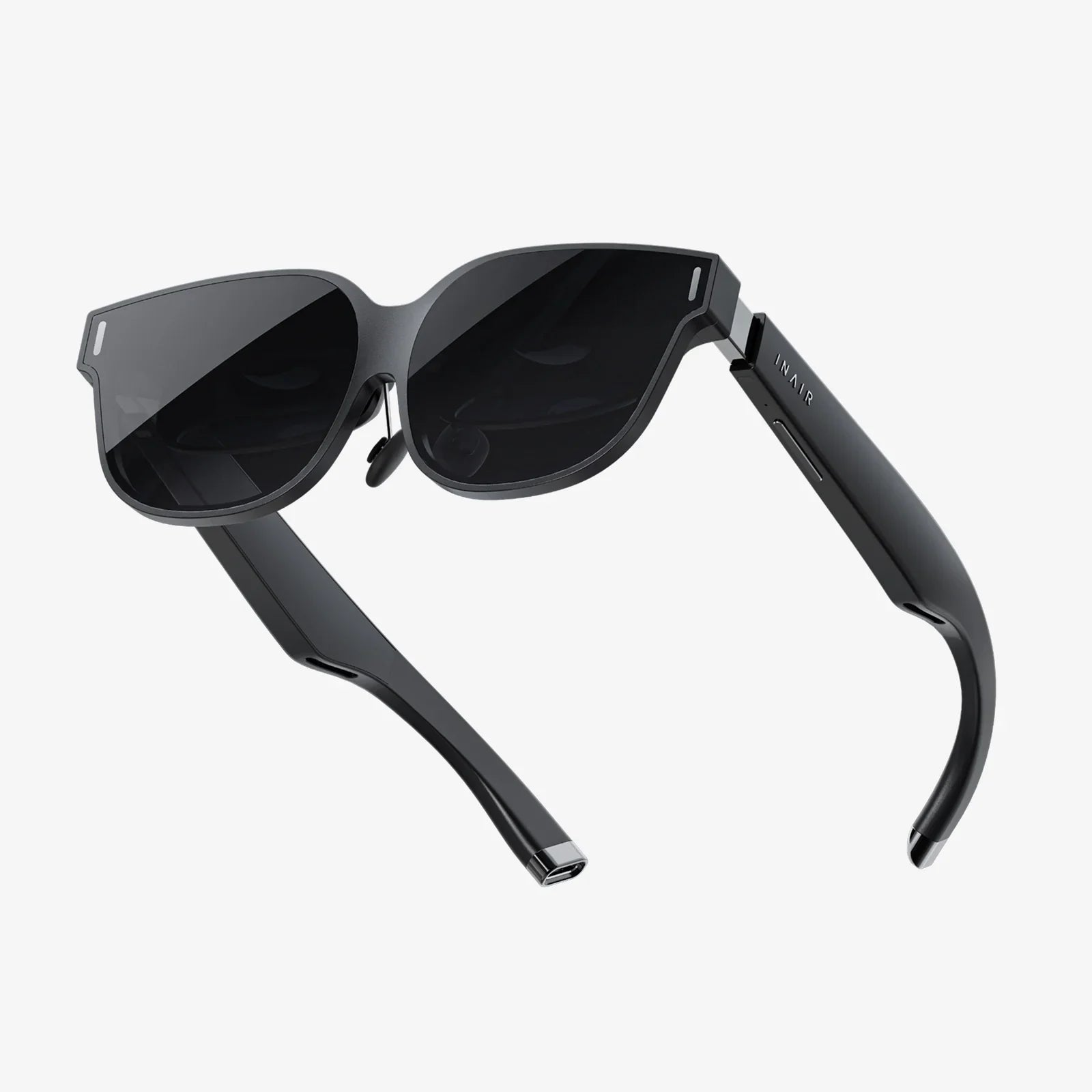
The future of AR in marketing is poised to become even more integrated into our daily lives. The rise of wearable AR glasses promises a hands-free, always-available layer of digital interaction with the physical world. This will open new frontiers for contextual marketing, where information and offers can be overlayed precisely when and where a consumer needs them.
The landscape of customer engagement is being redrawn, and at the frontier is a technology that turns everyday interactions into extraordinary moments. The benefits of augmented reality to marketing are not just about selling more products; they are about building richer relationships, gathering invaluable intelligence, and creating a seamless journey between imagination and reality. The brands that embrace this immersive tool today are not just running a campaign; they are stepping into a new dimension of consumer connection, setting the stage for dominance in the marketplace of tomorrow.
Share:
Even AI Glasses Are Redefining Human Interaction and Perception
Even AI Glasses Are Redefining Human Interaction and Perception