


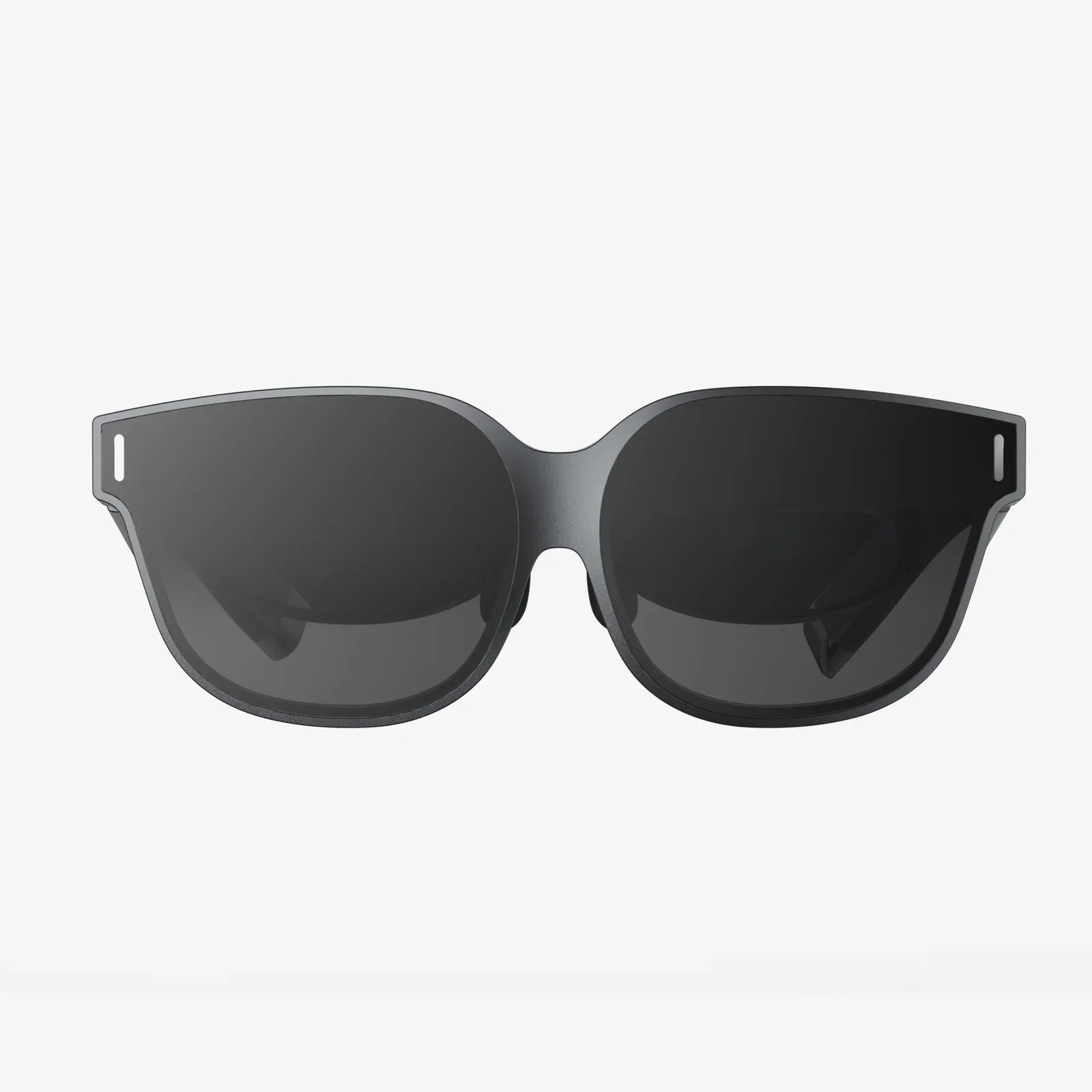
Imagine stepping onto the surface of Mars, not through a grainy photograph from a rover, but with your own two feet, gazing at the rust-colored horizon under a dim sun. Picture yourself standing in a reconstructed ancient Roman forum, hearing the echoes of history all around you. Envision rehearsing a high-stakes public speech in front of a responsive, virtual audience that mimics the very crowd you’ll face tomorrow. This is the promise and the power of virtual reality—a technology that has vaulted from the pages of science fiction into a potent tool with staggering real-world applications. The benefits of using virtual reality extend far beyond initial entertainment thrills, seeping into the very fabric of how we learn, heal, work, and connect, offering a paradigm shift in human experience and capability.
Beyond the Hype: Defining the VR Experience
Before dissecting its benefits, it's crucial to understand what sets VR apart from other digital mediums. Unlike watching a screen from a distance, virtual reality is an immersive, computer-generated simulation of a three-dimensional environment that users can interact with in a seemingly real or physical way. This is achieved through a head-mounted display (HMD) and, often, motion-tracking sensors and handheld controllers. The core magic lies in two concepts: immersion and presence.
Immersion is the objective level of sensory fidelity a VR system provides—the quality of the graphics, the accuracy of the head-tracking, the richness of the spatial audio. Presence, often called the "holy grail" of VR, is the subjective psychological phenomenon of "being there." It's the moment your brain is tricked into suspending disbelief and accepting the virtual world as its reality. This powerful combination is the engine behind VR's most significant advantages. It transforms passive observation into active participation, making experiences memorable, impactful, and uniquely effective.
Revolutionizing the Classroom and the Boardroom
One of the most promising arenas for VR is education and training. Traditional learning methods often struggle with student engagement and knowledge retention. VR shatters this model by offering experiential learning.
- Unparalleled Engagement: Students are no longer passive recipients of information. They become active explorers. Instead of reading about the human heart, they can don a headset and take a guided tour through the ventricles and arteries, watching blood flow in real-time. This gamified, interactive approach dramatically increases motivation and focus.
- Enhanced Retention and Recall: Studies have consistently shown that we remember experiences far better than we remember facts or lectures. By doing something in VR—like conducting a virtual chemistry experiment or practicing a foreign language with AI-powered virtual natives—learners form stronger neural connections, leading to significantly higher retention rates.
- Safe and Scalable Practice Environments: This is perhaps VR's most powerful training benefit. It allows for risk-free mastery of dangerous or expensive skills. Surgeons can practice complex procedures on virtual patients without ever jeopardizing a life. Aircraft mechanics can learn to repair a jet engine with virtual tools, eliminating the cost of taking a multi-million-dollar plane offline. Police officers and soldiers can de-escalate tense situations in hyper-realistic simulations. The cost of failure is zero, but the learning gained is immense.
- Democratizing Access to Experiences: VR can transport a student in an underfunded school to the Louvre in Paris, the Great Barrier Reef, or the surface of the moon. It levels the playing field, providing access to experiences that were previously impossible due to geographical, financial, or physical constraints.
Healing Minds and Rehabilitating Bodies
The healthcare industry is harnessing VR's immersive qualities for groundbreaking therapeutic and diagnostic applications, creating benefits that are literally life-changing.
- Pain and Anxiety Management: VR is a powerful tool for distraction therapy. By immersing a patient's senses in a calming, engaging virtual world—like a serene forest or an interactive game—it can effectively reduce the perception of acute pain during wound care, chemotherapy, or physical therapy. It is also used to manage anxiety and stress, with applications helping patients before surgery or those undergoing stressful medical treatments.
- Exposure Therapy for Phobias and PTSD: Therapists can use controlled VR environments to safely and gradually expose patients to the sources of their fears. A patient with a fear of heights can progressively experience higher virtual elevations. A veteran with PTSD can process trauma through carefully calibrated simulations. This allows for precise control over the therapeutic experience, which is difficult to achieve in the real world.
- Physical Rehabilitation and Motor Skills: Rehabilitation exercises can be repetitive and monotonous, leading to poor patient adherence. VR transforms these exercises into interactive games. A patient recovering from a stroke might play a game that requires them to reach and grab virtual objects, effectively—and enjoyably—completing their prescribed physical therapy. This leads to better outcomes and higher patient motivation.
- Medical Training and Surgical Planning: Beyond training, VR allows surgeons to plan complex operations. They can import a patient's medical scans (like CT or MRI) into a VR environment to create a detailed 3D model of the patient's anatomy. This allows the surgical team to "walk through" the procedure beforehand, identifying potential challenges and optimizing their approach, thereby increasing surgical precision and safety.
Building Bridges of Empathy and Understanding
Perhaps one of the most profound and unexpected benefits of VR is its capacity to foster empathy and social connection. Because VR creates the visceral feeling of "being in someone else's shoes," it can be a powerful medium for storytelling and perspective-taking.
- Walking in Another's Shoes: Documentarians and journalists are using VR to create immersive experiences that highlight social and humanitarian issues. Instead of watching a news report about a refugee crisis, you can experience a day in a refugee camp, creating a deep, emotional understanding that facts and figures alone cannot convey. This has been shown to increase empathy and compassion in viewers more effectively than any other media format.
- Enhancing Social Connection: Social VR platforms allow people to meet, interact, and collaborate in shared virtual spaces as avatars. This goes far beyond a video call. You can feel a sense of shared presence—sitting around a virtual campfire, attending a virtual concert with friends from across the globe, or simply having a conversation in a photorealistic virtual environment. For those who are isolated, elderly, or have mobility issues, this can be a powerful antidote to loneliness.
- Cultural and Historical Preservation: VR can preserve and recreate historical sites and cultural experiences that are deteriorating or inaccessible. People can explore ancient temples, experience historical events, or participate in cultural ceremonies from anywhere in the world, ensuring these important pieces of human history are not lost and can be experienced by future generations.
Transforming Design, Collaboration, and Remote Work
The corporate world is rapidly adopting VR to streamline workflows, enhance creativity, and redefine the concept of the office.
- Architecture and Design: Architects and interior designers can create immersive walkthroughs of their designs long before the first brick is laid. Clients can literally step inside their future home or office building, experiencing the scale, spatial relationships, and lighting in a way blueprints or 3D renders on a screen could never convey. This leads to better feedback, fewer costly changes mid-construction, and more satisfied clients.
- Virtual Prototyping and Manufacturing: Automotive and industrial designers can create and examine full-scale virtual prototypes of new products. Engineers from different countries can collaboratively inspect a virtual model of a new engine, identifying potential design flaws early in the process. This saves enormous amounts of time and money traditionally spent on physical prototypes.
- The Future of Remote Collaboration: VR meetings offer a middle ground between the convenience of a video call and the effectiveness of an in-person meeting. Teams can collaborate on 3D models, brainstorm on virtual whiteboards, and communicate with body language and spatial awareness, making remote work more productive and human-centric.
Navigating the Challenges and Looking Ahead
Despite its immense potential, the widespread adoption of VR is not without hurdles. Issues like cybersickness (a form of motion sickness), the high cost of high-quality hardware, the need for compelling and professional content, and concerns about data privacy and prolonged social isolation are all active areas of research and development. The technology continues to evolve rapidly, with advancements in display resolution, wireless capability, haptic feedback (touch), and eye-tracking making systems more comfortable, accessible, and powerful with each generation.
The future of VR is not about replacing reality, but about augmenting and enhancing our human potential. As the technology becomes more sophisticated and integrated with artificial intelligence and augmented reality (AR), its applications will become even more seamless and transformative. We are moving towards a future where virtual experiences are woven into the fabric of our daily lives, not as an escape, but as a tool for creating a better, more understanding, and more capable world.
The door to these impossible worlds is now open, offering not just a glimpse, but a full-bodied step into new dimensions of human potential. The question is no longer if virtual reality will change our lives, but how quickly we will embrace its extraordinary benefits to learn, heal, create, and connect in ways we once only dreamed of.
Share:
Should I Buy Virtual Reality? The Ultimate Guide to Making Your Decision
I'm Wearing Your Goggles: The Intimate and Unseen Consequences of Shared Virtual Reality