


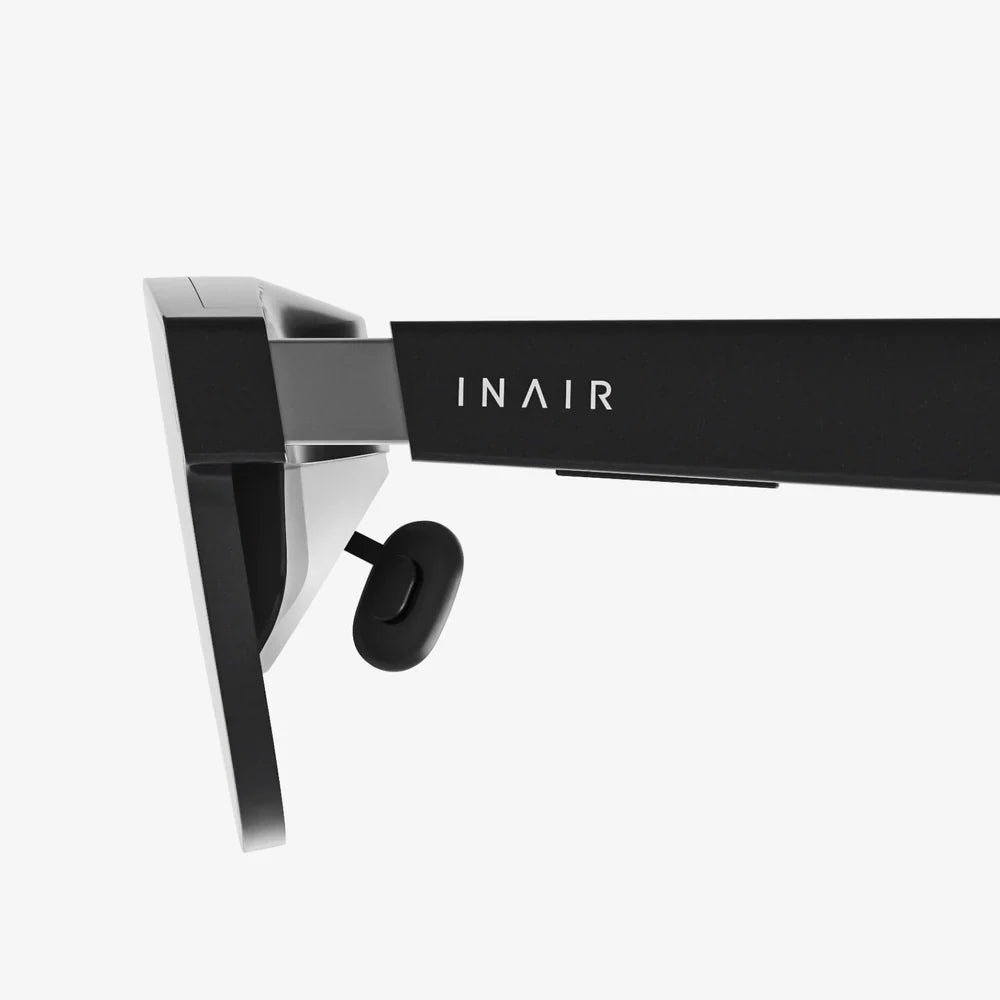
Imagine strapping on a headset and instantly transcending the confines of your physical space—visiting ancient Rome, performing a complex heart surgery, or designing a skyscraper from the ground up, all without leaving your living room. This is no longer the stuff of science fiction; it is the tangible, transformative power of the modern virtual reality device. Once a niche novelty, VR has rapidly evolved into a sophisticated technology whose benefits are rippling across every facet of our society, offering unprecedented opportunities for growth, connection, and understanding. The potential is limitless, and we are only just beginning to scratch the surface of how this immersive technology can enhance our lives.
Revolutionizing Education and Training: The Ultimate Learning Simulator
The traditional model of learning, often reliant on textbooks and two-dimensional diagrams, is being fundamentally challenged by virtual reality. The core benefit here is experiential learning. VR transports students from passive observers to active participants within the subject matter.
Consider medical training. Instead of solely relying on cadavers or observing procedures from a distance, medical students can use a VR device to step into a hyper-realistic simulation of a human body. They can practice intricate surgical procedures, from making the initial incision to navigating complex anatomy, all within a zero-risk environment. Mistakes become valuable learning experiences, not life-threatening errors. This hands-on repetition builds muscle memory and clinical confidence far more effectively than traditional methods.
This principle extends far beyond medicine. Aviation students can practice emergency procedures in a virtual cockpit. History students can walk through a faithfully recreated ancient Egyptian marketplace, hearing the sounds and observing the culture firsthand. Engineering students can deconstruct and reassemble complex machinery, visualizing internal components in a way a static image could never allow. The VR device becomes a universal training simulator, democratizing access to experiences that were once too dangerous, expensive, or simply impossible to replicate.
Transforming Healthcare: From Rehabilitation to Therapy
The healthcare industry is witnessing one of the most profound adoptions of virtual reality technology, with benefits spanning both physical and mental well-being.
Physical Rehabilitation and Motor Skills
Physical therapy can be a long, arduous, and sometimes monotonous process. VR introduces an element of gamification and engagement that can significantly improve patient outcomes. For individuals recovering from a stroke or a traumatic injury, repetitive motions are crucial for rebuilding neural pathways and muscle strength. A VR device can transform these exercises into an engaging game—a patient might be reaching for virtual fruit to improve shoulder mobility or navigating a virtual obstacle course to practice balance and gait.
This immersive distraction reduces the perceived pain and effort of the therapy, increases motivation, and encourages patients to complete their exercises with greater consistency. Therapists can also track progress with precise data metrics collected within the virtual environment, allowing for more personalized and effective treatment plans.
Mental Health and Exposure Therapy
Perhaps one of the most groundbreaking applications is in the realm of mental health. VR exposure therapy (VRET) has emerged as a powerful tool for treating conditions like phobias, anxiety, and post-traumatic stress disorder (PTSD). In a controlled and safe clinical setting, a patient afraid of heights can gradually experience standing on the edge of a virtual skyscraper. Someone with social anxiety can practice public speaking in front of a virtual audience.
The therapist can meticulously control the intensity of the experience, gradually increasing exposure as the patient builds coping mechanisms and resilience. This controlled, repeatable environment provides a safe space for confrontation and healing that is far more effective than mere imagination and less logistically challenging than real-world exposure.
Pain Management
The immersive nature of VR has a proven ability to act as a non-pharmacological analgesic. By captivating the user's senses and cognitive attention, the technology can effectively divert the brain's resources away from processing pain signals. This "immersive distraction" is being used to help patients manage chronic pain and has been particularly effective during painful wound care procedures for burn victims, significantly reducing their reported pain levels.
Redefining Remote Collaboration and the Future of Work
The global shift towards remote work has highlighted the limitations of video conferencing. Flat screens and gallery views often lack the nuance and presence of true collaboration. This is where the spatial computing capabilities of a VR device change the game.
Virtual reality enables the creation of persistent virtual workspaces. Architects and engineers from across the globe can meet inside a full-scale, 3D model of a new building design, walking through hallways, examining structural components, and making changes in real-time as if they were on a physical site. Design teams can manipulate 3D prototypes of a new product, examining it from every angle together.
This fosters a level of collaboration and spatial understanding that is impossible to achieve through a screen share. Non-verbal cues are better captured through avatars, and the simple act of turning your head to address a colleague feels more natural. This technology promises to bridge the gap between remote work and the synergistic "watercooler" moments of a physical office, creating a new paradigm for global teamwork.
Fostering Empathy and Social Connection
Virtual reality possesses a unique and powerful ability to foster empathy by allowing users to "walk a mile in someone else's shoes" in a profoundly literal sense. This is often referred to as embodied cognition.
Documentarians and journalists are using VR to create immersive experiences that build deep emotional understanding. You can spend a day in a refugee camp, seeing the scale and hearing the stories from a first-person perspective. You can experience the world through the eyes of someone with a visual or auditory disability. These are not passive viewings; they are experiences that can fundamentally alter perspectives and break down barriers of misunderstanding.
On a social level, VR platforms allow people to connect and interact in shared virtual spaces, attending concerts, watching movies, or simply chatting in environments that feel more present and personal than a standard video call. For individuals who are isolated due to geography or mobility issues, this can be a lifeline, reducing loneliness and creating a genuine sense of community and shared presence.
Supercharging Design, Architecture, and Retail
The ability to visualize and interact with creations at a 1:1 scale before they exist is a monumental advantage for countless industries.
- Architecture and Real Estate: Architects can walk clients through unbuilt designs, allowing them to experience the flow of space, the play of light at different times of day, and the overall feel of a property. Real estate agents can offer virtual tours of properties anywhere in the world, saving time and resources.
- Product Design and Manufacturing: Engineers can design, test, and iterate on prototypes in a virtual environment, identifying potential flaws and ergonomic issues long before committing to expensive physical manufacturing.
- Retail: The concept of "try before you buy" is elevated to new heights. Customers can see how a new sofa would look in their actual living room, try on virtual clothing to check for fit and style, or customize a car's interior and then take it for a virtual test drive.
This not only enhances the creative and design process but also empowers consumers, reduces waste from returns and physical prototypes, and streamlines production pipelines.
Unleashing Entertainment and Storytelling
While often seen as the entry point for VR, the benefits in entertainment are still revolutionary. Gaming is the most obvious application, offering levels of immersion that are simply unattainable on a flat screen. The feeling of presence—of truly being inside the game world—creates intense emotional responses and unforgettable experiences.
However, the potential extends far beyond games. Filmmakers are exploring narrative storytelling, placing the viewer directly within the scene. You are no longer watching a character navigate a story; you are inhabiting their world, able to look around and discover narrative details for yourself. This creates a deeply personal and active form of storytelling where each viewer's experience can be unique. Live events, from sports to music concerts, can be attended virtually, offering the best seat in the house to anyone, anywhere, breaking down geographical and economic barriers to access.
Addressing Challenges and Looking to the Future
Despite its immense potential, the widespread adoption of VR technology is not without challenges. Issues like cybersickness (a form of motion sickness), the need for more comfortable and affordable hardware, and concerns about data privacy and prolonged social isolation require ongoing attention and innovation. The development of robust ethical guidelines for its use, particularly in fields like psychology and data collection, is paramount.
Yet, the trajectory is clear. As the technology becomes more refined, accessible, and integrated with other advancements like haptic feedback for touch and artificial intelligence, its benefits will only deepen. We are moving towards a future where the lines between the physical and digital worlds gracefully blur, and the virtual reality device will be our key to navigating this new hybrid reality. It promises a world where our physical limitations no longer define our experiences, our learning, or our connections with others.
The journey into virtual reality is not an escape from our world, but an expansion of it. It offers a canvas for human creativity, a tool for profound healing, and a bridge to deeper understanding. This is just the dawn; the full spectrum of its benefits is yet to be discovered, waiting for the next innovator, educator, or artist to strap on a headset and ask, "What if?" The power to explore, create, and connect in ways previously unimaginable is now, quite literally, at our fingertips.
Share:
2047 Virtual Reality: The Unseen Horizon of Human Experience
VR Meaning Virtual Reality: A Deep Dive into the Digital Frontier Reshaping Our World