


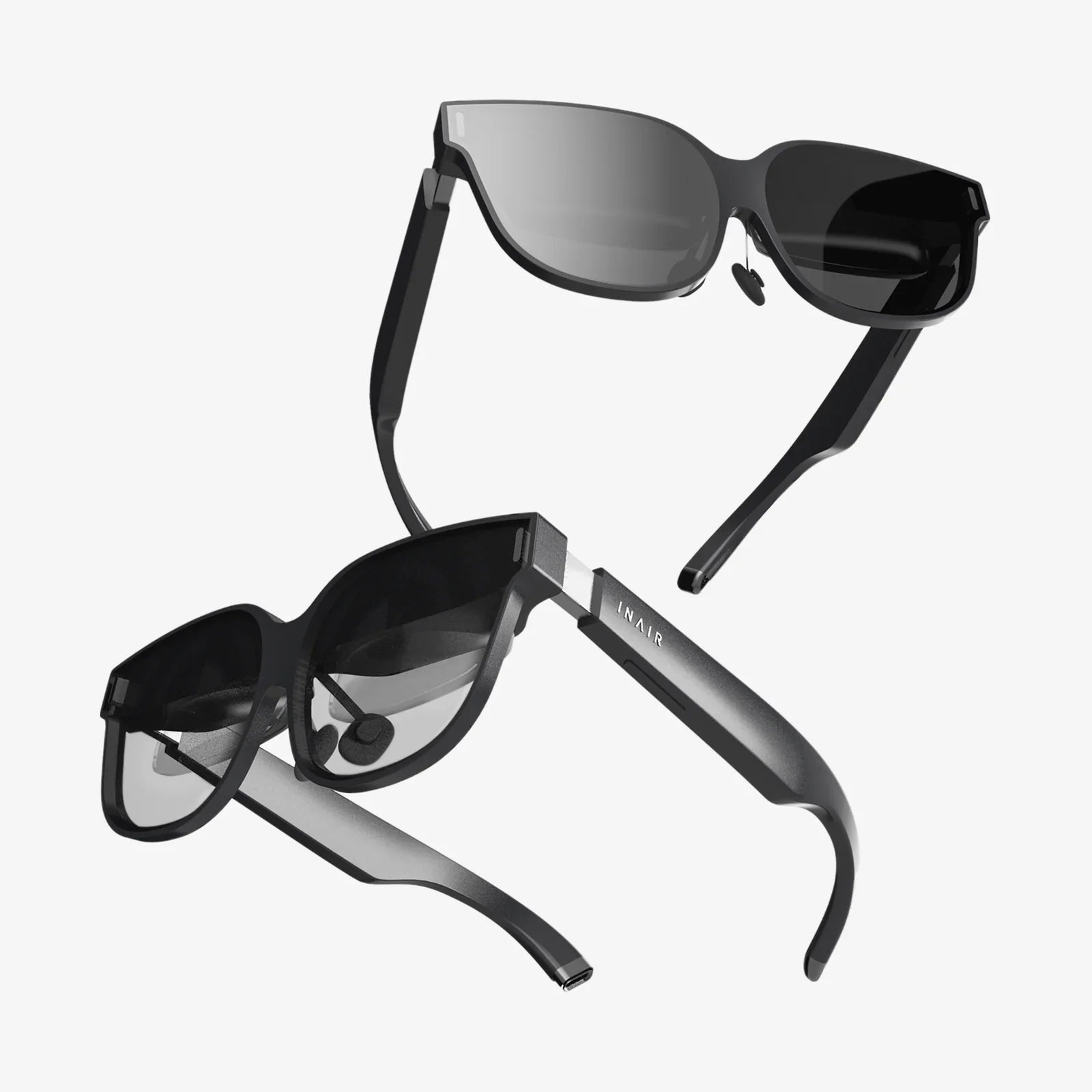
Imagine stepping through your living room wall into a bustling Roman marketplace, feeling the virtual sun on your skin and hearing the chatter of merchants. Or picture a surgeon on one continent guiding the hands of another performing a delicate operation thousands of miles away, as if they were standing side-by-side. This is no longer the stuff of science fiction; it is the tangible, breathtaking promise of Virtual Reality, a technology that is not just evolving our tools but fundamentally redefining the very nature of human experience, connection, and reality itself. The journey to understand VR is a journey to the frontier of our digital future.
Deconstructing the VR Meaning: More Than Just a Headset
At its core, the VR meaning is deceptively simple: a computer-generated simulation of a three-dimensional environment that can be interacted with in a seemingly real or physical way by a person using special electronic equipment. But this technical definition barely scratches the surface of its experiential impact. True VR is characterized by three immutable pillars:
- Immersion: This is the sensation of being physically present in a non-physical world. It is the technical and psychological state where the user's senses are captivated by the virtual environment, and the real world fades into the background. This is achieved through a combination of high-resolution stereoscopic displays, a wide field of view, and precise head-tracking technology.
- Interactivity: A static, 360-degree video is not true VR. The key differentiator is the ability to interact with the digital world. This can range from using hand controllers to manipulate virtual objects to navigating through the environment using natural movements. The system must respond to the user's actions in real-time, creating a feedback loop that reinforces the sense of presence.
- Presence: Often described as the 'holy grail' of VR, presence is the ultimate illusion—the unequivocal feeling of 'being there.' It is the psychological culmination of perfect immersion and seamless interactivity, a trick played on the brain so convincing that it suspends disbelief and accepts the virtual world as its immediate reality. When a user instinctively tries to lean on a virtual table, presence has been achieved.
It is crucial to distinguish VR from its technological cousins, Augmented Reality (AR) and Mixed Reality (MR). Where VR aims to replace your reality entirely, AR overlays digital information onto your real-world view (think of navigation arrows on your car windshield). MR is a more advanced form of AR where digital objects can interact with and be occluded by the physical environment, blending the two realms seamlessly.
A Journey Through Time: The Unexpected History of Virtual Reality
The story of VR is not a product of the 2010s; its roots dig deep into the 20th century, a testament to a long-held human fascination with simulated experiences.
The earliest seeds were planted in the 1930s with the advent of flight simulators, which used electromechanical systems to mimic the experience of flying an aircraft. However, the conceptual father of VR as we know it was cinematographer Morton Heilig, who in the 1950s developed the 'Sensorama,' a mechanical arcade cabinet that offered immersive films complete with stereo sound, wind, vibrations, and even smells.
The term "Virtual Reality" itself was popularized in the late 1980s by Jaron Lanier, founder of VPL Research, one of the first companies to sell VR goggles and data gloves. This era saw a wave of excitement and hype, with tech prophets announcing the imminent arrival of the virtual age. However, the technology of the time—bulky, low-resolution, and prohibitively expensive—could not deliver on the promise, leading to a prolonged "winter" for VR.
The embers of this first wave were rekindled in the early 21st century with the convergence of several key technologies: the miniaturization of high-resolution smartphone displays, the development of powerful, affordable graphics processors, and the widespread adoption of motion-sensing technology. This perfect storm of innovation finally provided the necessary ingredients to create compelling, accessible, and consumer-grade VR systems, launching the modern era of virtual reality we are experiencing today.
The Engine Room: The Core Technologies Powering the Illusion
The magic of VR is not magic at all; it is a sophisticated orchestration of hardware and software designed to hijack the human sensory system.
- Head-Mounted Displays (HMDs): The gateway to the virtual world. Modern HMDs contain two small, high-refresh-rate screens (one for each eye) that display slightly offset images to create a stereoscopic 3D effect. They are equipped with a suite of sensors, including gyroscopes, accelerometers, and magnetometers, to track the rotation and orientation of the user's head with extreme precision.
- Tracking Systems: For full immersion, the system must track not just head rotation but also its position in space (positional tracking). This is achieved through external sensors/cameras that map the room or, increasingly, through inside-out tracking where cameras on the headset itself scan the environment to determine its position, freeing the user from external hardware.
- Controllers and Haptics: Our hands are our primary tools for interacting with the world. VR controllers, which are themselves tracked in 3D space, act as virtual hands. The next frontier is haptic feedback, which uses vibrations, force feedback, and even ultrasonic waves to simulate the sense of touch, allowing users to feel the texture, weight, and resistance of virtual objects.
- Computational Power: Generating two high-fidelity, perspective-correct images at over 90 frames per second requires immense graphical processing power. This is the brute force behind the beauty, often provided by powerful dedicated consoles or computers, though standalone headsets are rapidly closing the capability gap with mobile chipsets.
Beyond Gaming: The Transformative Applications of VR
While gaming remains a massive driver of consumer adoption, the true potential of VR lies in its capacity to revolutionize a vast spectrum of human activity.
- Education and Training: VR offers the ultimate safe space for practice and failure. Medical students can perform countless virtual surgeries without risk to a patient. Mechanics can learn to repair complex engines without physical parts. History students can walk through ancient civilizations. This experiential learning paradigm dramatically improves knowledge retention and skill acquisition.
- Healthcare and Therapy: The medical field is embracing VR for everything from physical rehabilitation, where exercises can be gamified to improve patient engagement, to groundbreaking psychological treatments. Exposure therapy for phobias (fear of heights, flying, spiders) is incredibly effective in a controlled virtual environment. VR is also being used to manage chronic pain, distract patients during painful procedures, and help those with autism practice social scenarios.
- Enterprise and Design: Architects and engineers are using VR to walk clients through unbuilt structures, identifying design flaws long before construction begins. Car manufacturers design and test vehicles in virtual showrooms. Remote teams can collaborate in a shared virtual space, manipulating 3D models as if they were physical objects, breaking down the barriers of geography.
- Social Connection and Entertainment: The concept of the "metaverse"—a persistent network of shared virtual spaces—promises a new paradigm for social interaction. Friends can watch movies together in a virtual cinema, attend live concerts with avatars of thousands of other fans, or simply hang out in a digital living room, fostering a sense of togetherness that video calls cannot replicate.
Navigating the Uncharted: Ethical Considerations and Challenges
As with any powerful technology, VR's ascent is not without significant questions and potential pitfalls that society must confront.
- Privacy and Data Security: VR systems are data collection powerhouses. They can track not just your movements and actions, but your gaze (eye-tracking), your physiological responses, and even the precise dimensions of your home. This biometric data is incredibly sensitive, raising urgent questions about who owns it, how it is used, and how it is protected from misuse.
- The Reality Gap: Prolonged immersion in hyper-idealized or violent virtual worlds could potentially distort a user's perception of the physical world, a phenomenon sometimes called "virtual reality aftereffect." The long-term psychological impacts, especially on developing brains, are still being studied.
- Accessibility and the Digital Divide: High-quality VR requires a significant financial investment, risking the creation of a new technological class divide. Furthermore, experiences that rely on intense movement or perfect vision can exclude individuals with physical disabilities, posing a challenge for developers to create truly inclusive virtual worlds.
- Identity and Agency: In a world where you can be anyone or anything, what happens to our sense of self? The potential for identity exploration is profound, but so is the potential for deception and the erosion of authentic human connection.
The Next Horizon: The Future of Virtual Reality
The current state of VR is impressive, but it is merely the foundation for a future that will seem like pure magic. We are moving towards photorealistic graphics powered by real-time ray tracing and AI-upscaling. Haptic technology will evolve from simple vibrations to full-body suits and gloves that can simulate temperature, pressure, and texture. Brain-computer interfaces, though far off, hint at a future where we could navigate virtual spaces with our thoughts alone. The line between the virtual and the physical will not just blur; it will become entirely porous, offering new dimensions for work, play, and human intimacy.
The ultimate VR meaning is not found in a headset or a line of code; it is found in human potential. It is a canvas for empathy, allowing us to walk in another's shoes with unprecedented intimacy. It is a tool for creation, enabling us to sculpt with digital clay and paint with light. It is a bridge across continents, a cure for isolation, and a window into impossible worlds. The virtual door is now open, and its invitation is an eternal one: to step beyond the limits of the physical and explore the infinite landscape of human imagination. The only question that remains is what we will choose to build there.
Share:
Benefits of Virtual Reality Device: Unlocking New Realms of Human Potential
Virtual Reality Headsets Haptic Suit: The Dawn of True Immersion