


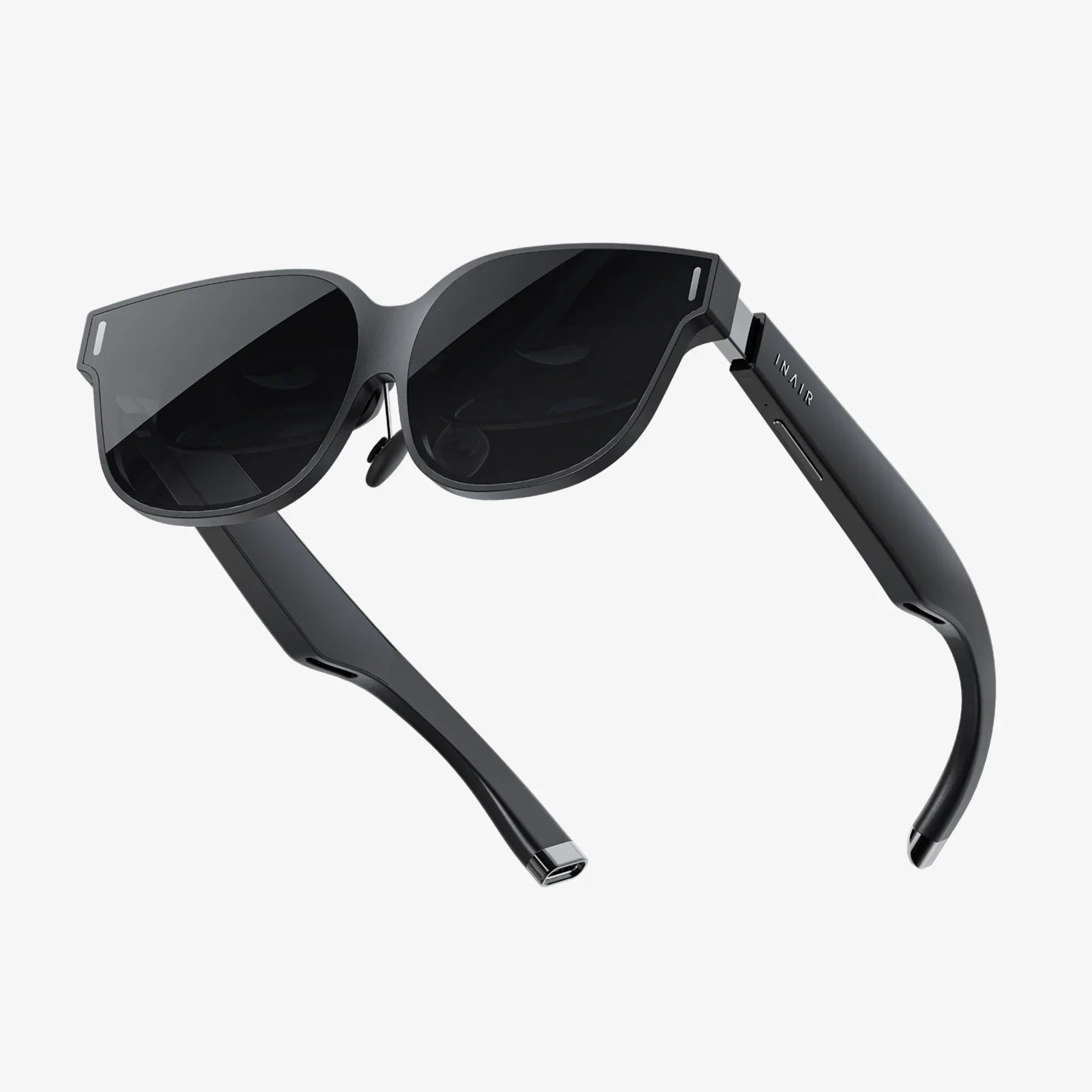
Imagine stepping into a world so crisp, so vividly real, that the boundary between the digital and the physical begins to blur. This isn't the grainy, screen-doored virtual reality of yesteryear; this is the breathtaking frontier of 4K resolution, a leap in visual fidelity that promises to redefine immersion itself. The quest for the best 4K VR headset is more than a search for a gadget; it's a pursuit of the ultimate portal to other worlds, and the journey is as fascinating as the destination.
The Resolution Revolution: Why 4K is a Game-Changer
For years, the primary barrier to true immersion in virtual reality has been visual clarity. Early headsets, while revolutionary, often suffered from a phenomenon known as the "screen door effect," where users could perceive the fine lines between pixels, effectively looking through a mesh screen. This constantly reminded the brain that it was viewing a simulation, preventing full sensory absorption.
The move to 4K resolution, which typically refers to a combined resolution of nearly 4,000 pixels across both displays (e.g., 1920x2160 per eye), directly attacks this problem. By dramatically increasing the Pixel Per Inch (PPI) density, these headsets make individual pixels virtually indistinguishable to the human eye. The result is a seamless, sharp image where text is readable, distant objects are clear, and virtual environments feel tangibly solid. It’s the difference between watching a standard definition broadcast and a 4K HDR movie on a high-end television—once you experience it, there's no going back.
Beyond the Spec Sheet: Key Features That Define the Best
While resolution is the headline act, judging a VR headset on pixels alone is like judging a car solely on its top speed. The best 4K VR headset is a harmonious blend of several critical technologies working in concert.
Display Technology and Panel Type
The type of display panel used is fundamental. Many high-end headsets utilize Fast-Switch LCDs, which offer high resolutions and full RGB subpixel layouts for better clarity at a lower cost. However, the premium alternative is often OLED (Organic Light-Emitting Diode) or its newer variants. OLED panels offer superior contrast ratios, meaning true blacks and incredibly vibrant colors. Since each pixel produces its own light, blacks are achieved by simply turning pixels off, creating a depth and realism in dark scenes that LCDs cannot match. This is particularly impactful for horror games, space simulations, or any experience with dramatic lighting.
Field of View (FoV)
Resolution means little if you’re looking through a pair of binoculars. The Field of View, measured in degrees, determines how much of your vision the headset can fill. A wider FoV (110 degrees and above) is crucial for peripheral immersion, making the virtual world feel expansive and natural. A narrow FoV can create a distracting "goggle" or "tunnel vision" effect. The best headsets strike a balance between high resolution and a wide, comfortable FoV without introducing excessive distortion at the edges.
Refresh Rate and Low Persistence
A high refresh rate (90Hz and above, with 120Hz becoming the new gold standard) is non-negotiable for comfort and realism. This metric, measured in Hertz (Hz), dictates how many times the image on the screen refreshes per second. A higher rate translates to smoother motion, which is critical for fast-paced games and for reducing the latency that can cause VR-induced motion sickness. Coupled with a technology called "low persistence," where the display flashes images briefly instead of keeping them lit, it eliminates motion blur and creates a crystal-clear image even during rapid head movements.
Lens Quality and Optical Design
The lenses are the final gateway between the screen and your eyes. Fresnel lenses, common in many headsets, are lightweight and allow for a larger "sweet spot"—the area where the image is in perfect focus. However, they can sometimes produce "god rays" or glare around high-contrast elements. Aspherical or hybrid lens designs are more complex and expensive but aim to eliminate these artifacts entirely, offering edge-to-edge clarity. The ability to adjust the Interpupillary Distance (IPD)—the physical distance between the lenses to match the user's eyes—is also essential for achieving a sharp, comfortable image.
Tracking and Controllers
Visuals are only half the battle. Precise tracking is what makes interaction feel real. Inside-Out tracking, where cameras on the headset itself map the room and track the controllers, offers a fantastic plug-and-play experience with no external sensors to set up. It provides robust freedom of movement and is a hallmark of modern, user-friendly systems. The accompanying controllers are just as important, acting as your virtual hands. They should be ergonomic, feature intuitive button layouts, and offer haptic feedback to sell the illusion of touch, whether you're pulling a trigger, casting a spell, or painting in 3D space.
Comfort and Ergonomics
A headset can have the most advanced specs in the world, but if it's a pain to wear, it will gather dust. Comfort is a multi-faceted feature. Weight distribution is key; a front-heavy device will strain your neck during long sessions. A well-designed strap system (often a rigid halo-style or flexible cloth strap) should cradle the head securely without excessive pressure. Facial interface materials should be soft, breathable, and easy to clean. For those who wear glasses, adequate space or custom prescription lens inserts are a must-have consideration.
The Ecosystem: Content and Compatibility
Hardware is meaningless without software. The best 4K VR headset exists within a vibrant ecosystem. This includes:
- Gaming Libraries: Access to major digital storefronts with a vast catalog of high-quality games, from AAA titles to innovative indie experiences.
- Media Consumption: Dedicated applications for watching 3D movies, immersive 360-degree videos, and even virtual desktop environments for browsing the web on a giant screen.
- Social VR: Platforms that allow you to meet, talk, and interact with others in virtual spaces, attending concerts, playing games, or just hanging out.
- PC vs. Standalone: Some headsets are tethered to a powerful gaming computer, unlocking the absolute highest graphical fidelity. Others are standalone, operating independently with a mobile processor for ultimate convenience and wireless freedom, though often with a graphical compromise. Some modern devices even offer a hybrid mode, functioning as both.
The Future is Clear: What Lies Beyond 4K?
The relentless march of technology never ceases. Even as 4K becomes the new standard for high-end VR, developers are already pushing towards 5K, 6K, and beyond, alongside technologies like varifocal displays that mimic the eye's natural focus and eye-tracking that enables foveated rendering—a technique that drastically boosts performance by rendering only the spot you're directly looking at in full detail. HDR (High Dynamic Range) support is also on the horizon, promising an even greater range of contrast and color that will make virtual worlds feel more alive than ever before.
Choosing the best 4K VR headset is a deeply personal decision that balances these myriad factors against your individual needs, budget, and existing hardware. It's about finding that perfect synergy of crystal-clear optics, buttery-smooth performance, and intuitive interaction that finally makes the real world fade away. The ultimate winner isn't just the one with the highest numbers on a spec sheet, but the one that consistently makes you forget the headset is even there, effortlessly transporting you to places you've never been. Ready to see for yourself? The next dimension, in stunning clarity, is waiting.
Share:
iPhone 16 VR Headset: The Next Frontier in Mobile Immersion
Screen High Tech Glasses: The Ultimate Defense for the Digital Age