


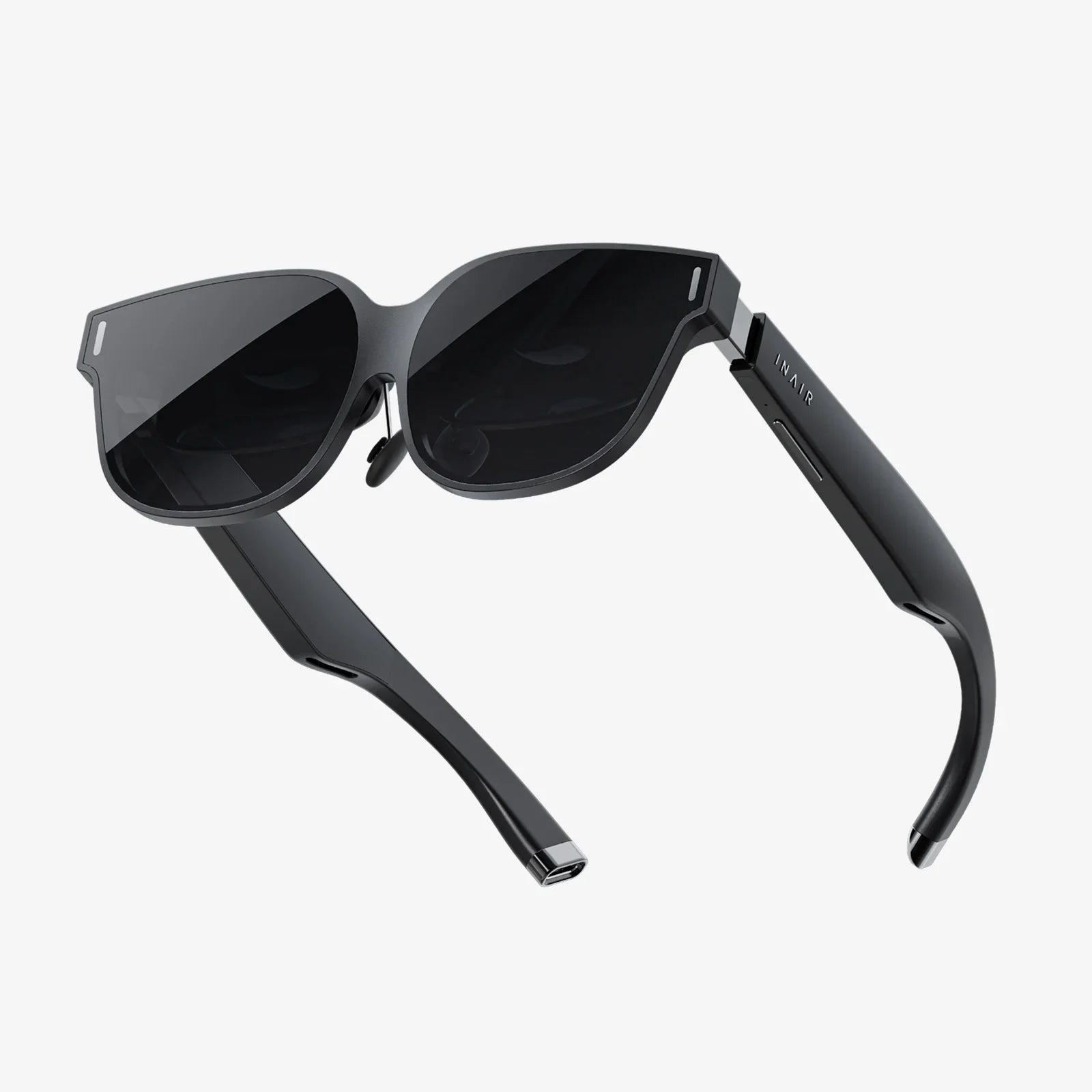
Imagine a world where the relentless glare of your digital devices no longer leaves you with pounding headaches, blurred vision, and sleepless nights. This is not a distant future fantasy; it’s a reality made possible today by a remarkable fusion of optical science and digital innovation. Screen high tech glasses are quietly revolutionizing how we interact with the screens that dominate our lives, offering a silent shield against the invisible toll of our connected existence. They represent a critical evolution in eyewear, transforming simple lenses into sophisticated tools for well-being.
The Digital Assault on Our Eyes
To understand the necessity of these advanced lenses, one must first comprehend the nature of the problem they are designed to solve. Modern life is bathed in the glow of LEDs. From the moment we check our smartphones upon waking to the final scroll through a tablet before bed, our eyes are subjected to an unprecedented visual environment. This constant exposure comes with significant consequences, primarily driven by two factors: high-energy visible (HEV) blue light and digital eye strain, also known as Computer Vision Syndrome.
Blue light itself is not inherently evil; it is a natural component of sunlight and plays a role in regulating our circadian rhythm. However, the concentrated and prolonged emission from digital screens is anything but natural. Unlike the broader spectrum of sunlight, the light from our devices is intensely focused on the blue end of the spectrum. This light has a short wavelength, meaning it scatters more easily and is harder for the eye to focus. This scattering effect creates visual noise, reducing contrast and forcing the eye's muscles to work overtime, leading to significant strain.
The symptoms are all too familiar: dry, irritated eyes, headaches, neck and shoulder pain, blurred vision, and difficulty focusing. Beyond the immediate discomfort, the 24/7 barrage of artificial blue light disrupts our body's production of melatonin, the hormone responsible for sleep. Using devices late into the evening tricks our brains into believing it is still daytime, suppressing melatonin and making it harder to fall asleep and achieve restorative rest. The long-term effects of chronic blue light exposure are still being studied, but early research suggests potential links to more serious age-related macular issues.
Beyond Tinted Lenses: The Core Technologies
Early solutions to this problem were often simple yellow-tinted lenses that blocked some blue light. While somewhat effective, they often distorted color perception, making them unsuitable for designers, photographers, or anyone requiring accurate color vision. Screen high tech glasses represent a quantum leap beyond this rudimentary approach. They employ a multi-layered, sophisticated technological arsenal engineered at a microscopic level.
Precision Blue Light Filtering
The most critical technology involves selectively filtering harmful blue light wavelengths while allowing beneficial ones to pass through. This is not a simple tint. Advanced optical coatings are applied to the lenses through a vapor deposition process. These nano-coatings are engineered to reflect a specific range of blue light—typically the most intense and disruptive wavelengths between 400-455nm—while permitting other, less harmful blue light to pass. This selective filtration ensures that color accuracy is maintained far better than with a simple tint, which is crucial for professional and casual use alike. The result is a significant reduction in glare and eye strain without the world appearing unnaturally amber.
Anti-Reflective and Anti-Glare Properties
Screen high tech glasses almost universally feature advanced anti-reflective (AR) coatings. While traditional AR coatings reduce reflections from the front and back of the lens, the versions used in these glasses are often specifically tuned to combat the particular reflections caused by digital screens and overhead LED lighting. By minimizing these distracting reflections, the coatings enhance contrast, reduce the eye's need to constantly readjust between a bright screen and a darker room, and allow more usable light to reach the retina. This dramatically improves visual comfort during extended periods of focus.
Visual Ergonomics and Precision Optics
Many pairs are also designed with visual ergonomics in mind. Some models feature a slight magnification in the lower portion of the lens, similar to a traditional reading glass but optimized for the intermediate viewing distance of a computer screen. This helps the eye's focusing system relax, reducing the muscular fatigue that leads to headaches. Furthermore, the optical clarity of the lenses themselves is paramount. High-quality, digitally surfaced lenses ensure that every part of the visual field is precise and distortion-free, whether you're looking straight ahead at a monitor or glancing down at a keyboard.
A Tool for Every User
The application of this technology is not one-size-fits-all. The market has evolved to offer specialized solutions tailored to different lifestyles and professions.
- The Corporate Professional: For those spending eight or more hours daily in front of dual monitors, glasses optimized for intermediate distance with strong blue light filtration and anti-glare properties are essential. They are often designed with a sleek, professional aesthetic suitable for office environments and video conferences.
- The Gamer: Gamers face intense, prolonged screen exposure, often during evening hours. Glasses for this audience may emphasize ultra-high contrast enhancement to spot details in dark scenes and maximum blue light blocking to mitigate the sleep-disrupting effects of late-night sessions.
- The Student: From online learning to writing papers, students are a highly vulnerable demographic. Durable, affordable frames with effective protection can help mitigate eye strain during long study periods, potentially improving concentration and comfort.
- The Everyday User: For the average consumer who cycles between a phone, tablet, and television, all-day wear glasses with moderate filtration offer constant, low-level protection that accumulates throughout the day, benefiting overall digital wellness.
Integrating Technology into a Healthy Digital Routine
It is crucial to frame these advanced glasses correctly: they are a powerful tool, not a magic cure-all. They work best as part of a holistic approach to digital health. Experts still emphatically recommend the 20-20-20 rule: every 20 minutes, look at something 20 feet away for at least 20 seconds. This simple practice gives the eye's focusing muscle a critical break. Adjusting screen brightness to match ambient light, increasing text size, and maintaining proper posture and screen distance are all foundational habits.
Screen high tech glasses act as a continuous defensive layer, enhancing these practices. They provide protection during those inevitable moments when a work deadline forces a three-hour uninterrupted focus session or when you simply lose track of time browsing online. They are the seatbelt for your digital commute—you hope you never need them for a catastrophic event, but you appreciate their protection every single day against the cumulative wear and tear.
The Future of Seeing
The trajectory of this technology points toward even deeper integration with our digital lives. We are already seeing the emergence of lenses with dynamic tinting capabilities that can adjust their level of blue light filtration based on ambient lighting conditions or the time of day. Further down the line, we may see the convergence of vision correction, blue light protection, and augmented reality (AR) displays, all seamlessly integrated into a single pair of stylish frames.
The very definition of eyewear is shifting from a passive tool for correction to an active, intelligent interface between our bodies and our digitally saturated environment. The research and development in this field are continuous, with a growing emphasis on evidence-based outcomes to precisely quantify the benefits of different technologies.
This is more than just an accessory; it is a response to a fundamental shift in human behavior. As our world becomes increasingly mediated through pixels, protecting the delicate biological instruments we use to perceive it is no longer a niche concern—it is a mainstream necessity. The decision to use screen high tech glasses is an investment in long-term comfort, productivity, and well-being, empowering us to harness the benefits of technology without succumbing to its hidden costs.
Your eyes are processing more information than any generation before you, and they are doing it under a constant, unnatural light. The feeling of crisp, strain-free vision after a long day, the ability to sleep soundly after an evening online, and the preservation of your most vital sense—this is the profound promise held within a simple frame and a brilliantly engineered lens. The next time you feel that familiar ache behind your eyes, know that a clearer, more comfortable way of seeing is already within your reach.
Share:
Best 4K VR Headset: The Ultimate Guide to Ultra-High-Definition Immersion
VR Briller iPhone: The Ultimate Guide to Unlocking a New Reality