


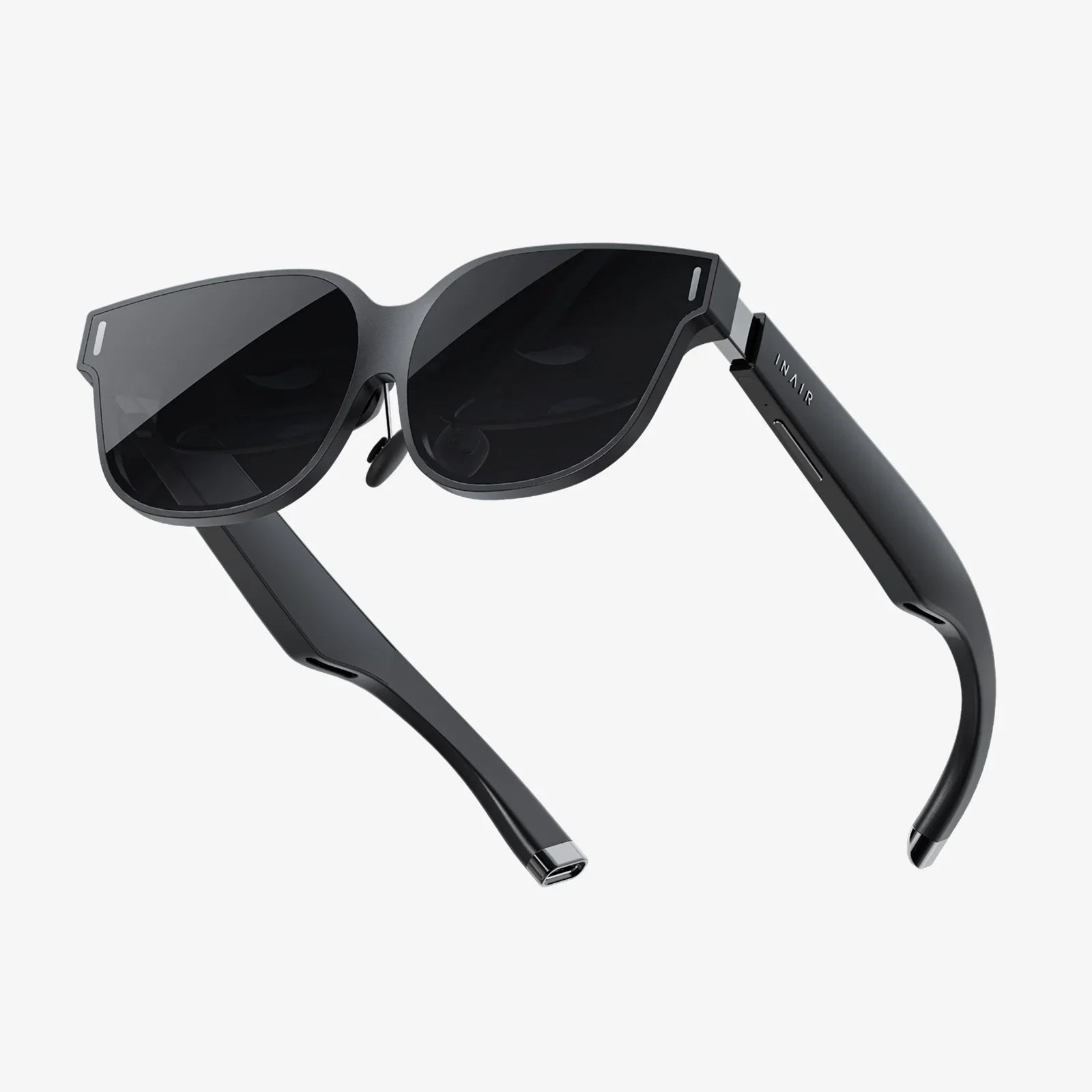
Imagine a world where the perfect pair of glasses is not a distant dream found after countless expensive optometrist visits, but a reality you can control with the simple turn of a dial. This is the promise and the revolution of the best adjustable eyeglasses, a technological leap that is fundamentally reshaping our relationship with vision correction. For millions, the traditional process of obtaining eyewear is fraught with hurdles: the high cost of prescriptions and new frames, the inconvenience of broken or lost glasses, and the frustrating lag time between an eye test and wearing a new prescription. Adjustable eyeglasses shatter these old paradigms, offering a dynamic, user-centric approach to seeing clearly. This comprehensive guide will delve deep into the mechanics, benefits, and considerations of this groundbreaking technology, illuminating why they represent one of the most significant advancements in optical history.
The Ingenious Mechanics Behind the Adjustment
At first glance, adjustable eyeglasses might appear deceptively simple. However, they are a marvel of optical engineering, employing principles that allow the wearer to become the architect of their own perfect vision. The core technology resides in the lenses themselves, which are not static pieces of ground plastic or glass but sophisticated, fluid-filled systems.
The most common and effective design utilizes a concept similar to the human eye. Each lens is actually a sealed, transparent chamber filled with a clear, optical-grade fluid. Sandwiched between two flexible membranes, this fluid can be manipulated. Integrated into the frame are tiny, precise mechanisms—often a small dial or slider on the temple or bridge of the glasses. When the user turns this dial, it minutely adjusts the pressure within the fluid-filled chamber.
This change in pressure alters the curvature of the lens's flexible membrane. In basic terms:
- Turning the dial one way increases the curvature, effectively making the lens stronger (increasing its diopter power) to correct for myopia (nearsightedness) or hyperopia (farsightedness).
- Turning it the other way flattens the curvature, making the lens weaker (decreasing its diopter power).
This process allows the wearer to dynamically fine-tune the corrective power of each lens independently, achieving a crystal-clear, custom-focused view of the world without ever needing a pre-made prescription. It is a perfect fusion of biomechanics and practical design.
A Multitude of Advantages: Why Choose Adjustable Glasses?
The benefits of embracing this adaptable technology extend far beyond mere novelty. They offer tangible, life-changing advantages for a diverse range of users across the globe.
Unprecedented Accessibility and Affordability
For individuals in remote or underserved communities, access to an optometrist can be a significant challenge. Adjustable glasses can be distributed by aid workers or community health programs, allowing one pair to serve countless individuals with varying prescriptions. This democratizes vision care on an unprecedented scale. Furthermore, the cost-saving is monumental. Instead of purchasing new glasses every time a prescription changes, a single pair of adjustable spectacles can adapt for years, representing a profound long-term investment in one's health and finances.
Perfect for Changing Prescriptions
Our eyes are not static; they change over time. Children and adolescents often experience rapidly shifting vision. Adults entering their middle years frequently develop presbyopia, the age-related loss of near focus that necessitates reading glasses. For these groups, adjustable glasses are a godsend. They can be continuously recalibrated to match the user's current needs, eliminating the constant and costly cycle of eye exams and new lenses.
An Ideal Emergency and Backup Solution
Everyone who wears glasses has faced the nightmare: a broken arm, a lost screw, or simply misplacing them. Having a pair of adjustable glasses in a drawer, a car glovebox, or a travel bag acts as the perfect insurance policy. Whether on a camping trip, a business travel, or just a regular Tuesday, if your primary glasses fail, you have an instant, customizable replacement on hand. This provides immense peace of mind.
Customized Fit for Ultimate Comfort
Beyond visual acuity, the physical fit of glasses is paramount. Many high-quality adjustable frames also feature flexible nose pads and temple arms that can be molded and bent to fit the unique contours of the wearer's face. This eliminates pressure points, prevents slipping, and ensures all-day comfort, making them ideal for active individuals or those who have struggled to find frames that fit well.
Potential Limitations and Key Considerations
While revolutionary, adjustable eyeglasses are not a magical panacea for every vision problem. It is crucial to understand their scope and limitations to set realistic expectations.
- Not for All Conditions: They are primarily designed for spherical refractive errors: myopia, hyperopia, and presbyopia. They are generally not suitable for correcting significant astigmatism or more complex eye conditions like keratoconus. For these issues, traditional prescribed lenses ground to a specific formula are necessary.
- The Need for a Baseline: While they eliminate the need for a new prescription for every small change, it is still highly recommended to have a comprehensive eye exam with a professional. An exam establishes a baseline for your eye health, screening for serious conditions like glaucoma, cataracts, or macular degeneration that glasses cannot fix. Use your exam result as a starting point for dialing in your adjustable glasses.
- Build Quality Varies: As with any product, quality exists on a spectrum. Investing in a well-made pair from a reputable provider is critical for durability, optical clarity of the fluid and membranes, and the precision of the adjustment mechanism.
- Aesthetic Design: Historically, the technology demanded a certain frame design to house the mechanism. While designs have become significantly more stylish and varied, the options may not be as vast as the traditional eyewear market.
Who Stands to Benefit the Most?
The applications for this technology are vast, but certain groups will find them particularly transformative.
- The Aging Population: Individuals over 40 who are beginning to experience presbyopia can use one pair of glasses for both distance and reading, simply by adjusting the dial. This eliminates the need for bifocals, progressives, or constantly switching between two pairs.
- Children and Parents: Parents can avoid the expense of replacing glasses every time their child's prescription changes or a frame is outgrown. The adjustability ensures a perfect fit and corrects vision accurately throughout growth spurts.
- Travelers and Adventurers: From backpackers traversing continents to business professionals hoping to avoid lost luggage disasters, a single, durable, adjustable pair is the ultimate travel companion.
- Budget-Conscious Individuals and Families: The long-term savings are undeniable, making clear vision accessible to those for whom traditional eyewear is a financial burden.
The Future of Vision is in Your Hands
The development of adjustable eyeglasses is not the end of the road but a thrilling beginning. Research continues into even more advanced technologies, such as electro-active lenses that could change focus with the blink of an eye or a voice command, further integrating with our digital lives. The core principle—giving the user direct control over their vision—is a paradigm shift that is here to stay. It represents a move away from passive patienthood to active participation in personal health and well-being.
This technology empowers individuals, breaks down economic and geographical barriers to care, and offers a level of convenience and adaptability that was once the stuff of science fiction. It challenges the very notion of what eyewear can be, transforming it from a static medical device into a dynamic tool for living life to the fullest.
Ready to experience the freedom of perfect, personalized vision anytime, anywhere? The power to see the world with absolute clarity, tailored precisely to your eyes at this very moment, is no longer confined to the optometrist's chair—it's now literally at your fingertips, waiting for you to take control.
Share:
AR Stands for Augmented Reality: The Digital Layer Transforming Our World
What's VR? The Ultimate Guide to Virtual Reality Technology