


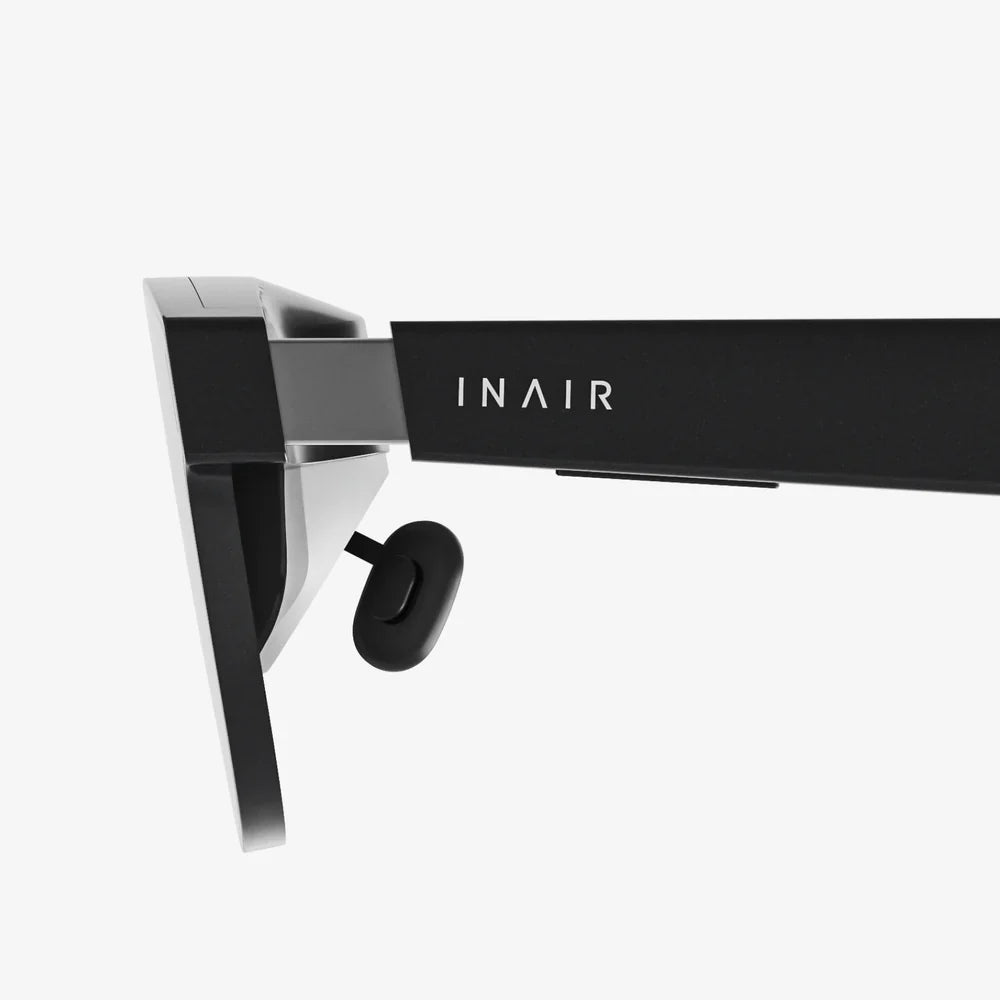
Imagine a world where your most stylish accessory is also your most powerful computer, where the line between the digital and physical realms doesn't just blur—it disappears. This isn't a scene from a sci-fi blockbuster; it's the reality being crafted today by the latest generation of wearable technology. AI smart sunglasses are poised to become the next ubiquitous piece of tech, moving beyond our pockets and onto our faces, offering a seamless, hands-free gateway to information, assistance, and augmented experiences. But with a market rapidly filling with options, how do you identify the truly best AI smart sunglasses for your life? This definitive guide cuts through the hype to explore the capabilities, considerations, and revolutionary potential of wearing your intelligence.
The Evolution of Eyewear: From Sun Protection to Supercomputer
The journey from simple eye protection to sophisticated computing devices is a fascinating one. Sunglasses began as practical tools to shield eyes from the sun's glare. Over decades, they evolved into potent symbols of style, celebrity, and identity. The first major leap into technology came with the integration of basic electronics like tiny radios or headphones, which were more novelty than necessity.
The true transformation began with the concept of augmented reality (AR) and the ambition to overlay digital information onto the real world. Early attempts were clunky, expensive, and socially awkward head-mounted displays. The real breakthrough was the realization that for AR to be adopted en masse, it had to be integrated into a form factor people were already comfortable wearing. Thus, the smart sunglasses were born—retaining the classic, cool aesthetic of shades while packing a miniature computer's worth of technology into the arms and frames.
The infusion of Artificial Intelligence is what has catapulted this category from a neat gadget to a transformative platform. AI is the brain that makes the hardware useful. It enables real-time translation, intelligent photography, contextual information retrieval, and voice-activated assistance, moving beyond simple display-based AR to create a truly responsive and personalized wearable experience.
Defining "The Best": Key Features to Look For
The term "best" is subjective and deeply personal. What's best for a tech enthusiast might not be best for a traveler or someone with specific accessibility needs. However, several core features define the top tier of AI smart sunglasses.
1. The Sound Experience: Open-Ear Audio
This is arguably the most magical feature for first-time users. Instead of earbuds that block your ear canal, premium smart sunglasses use miniature speakers embedded in the arms that beam sound directly into your ears. This open-ear design allows you to listen to music, take calls, and hear AI responses while remaining fully aware of your surroundings—a critical feature for safety while walking, cycling, or running. The best models offer clear, crisp audio with minimal sound leakage, so your conversations remain private.
2. The Intelligent Assistant: Always-On AI
At the heart of these devices is a powerful AI assistant, activated by a simple voice command. The best assistants are responsive, accurate, and deeply integrated into the device's functions. You should be able to ask for directions, set reminders, control your smart home, send messages, and get answers to complex questions, all without lifting a finger. The AI should feel like a natural extension of your curiosity, not a clunky, frustrating interface.
3. Visual Intelligence: The Power of a Built-In Camera
A discreet, high-quality camera is a standard feature, but its power is unlocked by AI. This isn't just for recording video; it's for interpreting the world. Key capabilities include:
- Real-Time Translation: Point your gaze at a foreign menu, sign, or document, and see the translation overlaid in your native language instantly.
- Object and Text Recognition: Identify landmarks, plants, or products, or quickly save text from a whiteboard or document to your notes.
- Hands-Free Photography and Videography: Capture your perspective effortlessly, perfect for recording adventures, tutorials, or memorable moments without fumbling for your phone.
4. Design and Comfort: Wearable All Day
The most powerful tech is useless if you don't want to wear it. The best AI sunglasses prioritize design, offering a range of classic and modern styles that look like regular high-end sunglasses. They are lightweight, balanced, and comfortable for all-day wear. Interchangeable lenses (clear for indoors, tinted for sun, polarized for glare) are a hallmark of a well-considered design, ensuring the glasses are versatile for any environment.
5. Battery Life and Connectivity
Battery life is the Achilles' heel of all wearables. The best offerings provide enough power to last a full day of typical use, including music, calls, and AI queries. A compact, portable charging case that offers multiple full charges on the go is now an industry standard and a non-negotiable feature for serious users. Seamless connectivity to your smartphone via Bluetooth is a given, allowing the glasses to act as a satellite device for your primary computer.
Navigating the Inevitable: Privacy and Social Acceptance
No discussion about camera-equipped wearables is complete without addressing the elephant in the room: privacy. The idea of people wearing recording devices can understandably cause anxiety. The best manufacturers address this head-on with clear and responsible design choices.
Most reputable devices feature a clear, always-visible LED indicator light that illuminates whenever the camera is active. This is a crucial transparency feature that alerts those around you that recording is happening. Furthermore, ethical use is paramount. Users must be mindful of laws and social norms regarding recording in private spaces and conversations. The technology itself is neutral; it is our responsibility to wield it with respect for others' privacy.
Social acceptance is also evolving. As the designs become sleeker and less "techie," and as the benefits become more apparent, the initial stigma is fading. They are moving from a niche gadget to a mainstream accessory, much like Bluetooth earpieces did before them.
A World of Applications: Beyond the Hype
The true value of AI smart sunglasses is revealed in their practical, everyday applications:
- The Multitasking Professional: Join a hands-free conference call while walking to your next meeting, quickly capture a idea on a whiteboard, or have documents read aloud to you while your hands are busy.
- The Global Traveler: Navigate a foreign city with live translation and directions overlaid on your vision, truly immersing yourself in the culture without language barriers.
- The Fitness Enthusiast: Track your workout metrics, control your music, and stay motivated with audio feedback, all while staying connected to the environment for safety.
- Individuals with Accessibility Needs: For those with visual or auditory impairments, this technology can be life-changing, describing surroundings, reading text aloud, or amplifying important sounds.
The Future is Now: Where Do We Go From Here?
The current generation of AI smart sunglasses is impressive, but it's merely the foundation. The future holds even more exciting possibilities. We can expect advances in battery technology for even longer life, holographic waveguide displays for true AR overlays, and even more sophisticated AI models that can anticipate our needs and provide contextual information before we even ask. The goal is a device that feels less like a tool and more like a natural enhancement of our own capabilities.
Choosing the best AI smart sunglasses ultimately depends on which ecosystem, design, and feature set aligns with your personal vision for the future. It's about finding a device that doesn't distract you from the real world but enhances your ability to engage with it fully. This is about more than convenience; it's about a fundamental shift in how we interact with technology, making it an invisible, intuitive partner in our daily lives. The next era of computing won't be in your hand or on your desk—it will be on your face, and it's waiting for you to put it on.
Share:
Advanced Augmented Reality Devices Are Redefining Our Perception of Reality
AR VR Spatial Computing News: The Next Digital Revolution Is Happening Now