


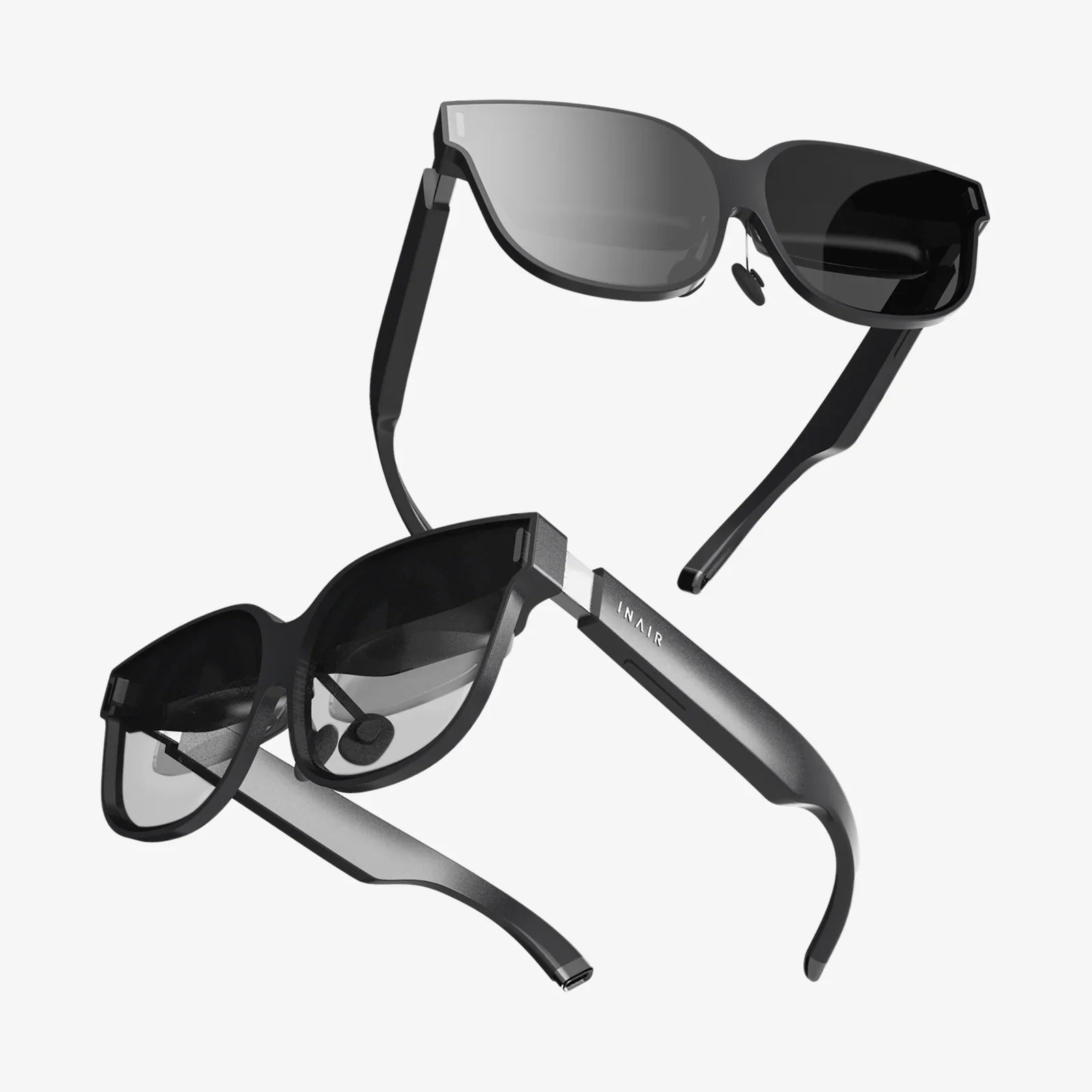
Imagine stepping into another world, from the depths of the ocean to the surface of Mars, without leaving your living room and without emptying your bank account. The dream of affordable, high-quality virtual reality is no longer a fantasy. The VR landscape has evolved dramatically, shifting from a niche, prohibitively expensive hobby to an accessible gateway to incredible experiences. For the savvy consumer, finding the best and cheapest VR option is now a realistic goal, opening doors to gaming, social interaction, education, and breathtaking exploration. This journey into virtual realms is closer than you think, and it starts with knowing where to look and what truly matters.
Demystifying the VR Market: Understanding the Tiers
To truly grasp what "best and cheapest" means in the context of VR, it's essential to understand the different categories of headsets available. They primarily break down into three distinct tiers, each with its own advantages and trade-offs between cost and performance.
1. Standalone VR Headsets: The King of Convenience
Standalone headsets are all-in-one units. They have their own processor, storage, battery, and displays built directly into the headset. There is no need for a powerful external computer or a gaming console to make them work. You simply charge it, put it on, and you're inside the virtual world. This category has become the most popular for consumers seeking a balance of quality, affordability, and ease of use. For many, a standalone device represents the best value proposition, offering a robust library of games and applications with a minimal upfront investment and no hidden costs for additional hardware.
2. PC-Powered VR Headsets: The Pinnacle of Performance
At the higher end of the spectrum are PC-powered headsets. These devices act as sophisticated displays and motion trackers but rely entirely on a connected, high-end gaming computer to render the complex visuals. This symbiosis results in the most graphically impressive and computationally demanding VR experiences available. The trade-off, of course, is cost. Not only is the headset itself often more expensive, but the required PC represents a significant additional investment, often costing several times more than the headset itself. For those who already own a capable gaming rig, this path can offer incredible experiences, but it rarely qualifies as the "cheapest" route into VR.
3. Console-Powered and Smartphone VR: The Niche Players
Console-powered VR offers a compelling middle ground, leveraging the power of a games console that many may already own. This approach can deliver experiences far beyond standalone capabilities without requiring a top-tier PC. However, the ecosystem for this is currently limited to a single console platform. On the opposite end of the spectrum lies smartphone-based VR, which was once a popular low-cost entry point. This model uses a holder that slots a smartphone into a headset mount, using the phone's screen and sensors. While incredibly cheap, this technology has largely been abandoned by developers and platform holders due to its limited capabilities and poor user experience, making it a relic of the past rather than a viable option today.
The True Meaning of "Cheap" in VR: Total Cost of Ownership
When hunting for the best and cheapest VR, the sticker price of the headset is only part of the equation. The true cost of ownership includes several other factors that can significantly impact the long-term value of your purchase.
- Required Hardware: Does the headset need a $1,500 gaming PC or a $400 games console to function? This is the single biggest additional cost to consider. A standalone headset has no such requirement, making its total entry cost much lower.
- Software and Game Prices: VR games can range from free experiences and inexpensive indie titles to full-price, AAA blockbusters. The availability of free content, demos, and regular sales on digital storefronts can greatly offset the cost of building a library.
- Essential Accessories: Often, the base package is not enough. You might need an additional headstrap for comfort, a larger battery pack for extended play sessions, prescription lens inserts if you wear glasses, and dedicated controllers for specific games like racing simulators. These can add hundreds to the overall cost.
- Ecosystem Longevity: Investing in a platform that is being actively supported and updated by its creator is crucial. A cheap headset from a defunct platform is a paperweight, not a bargain. You need confidence that new software will be released for years to come.
Therefore, the "cheapest" VR headset is the one that delivers a satisfying and enduring experience with the lowest total cost of ownership, not just the one with the smallest initial price tag.
Key Features to Prioritize (And What You Can Compromise On)
To find the best headset on a budget, you need to know which features are non-negotiable for a good experience and which are nice-to-haves that you can compromise on to save money.
Must-Have Features:
- Inside-Out Tracking: This technology uses cameras on the headset itself to track the position of the controllers and the movement of the user through the physical world. It eliminates the need for external sensors or base stations that must be mounted around your play space. This is a cornerstone of modern, affordable VR, offering fantastic tracking with effortless setup.
- High-Resolution Display (per eye): While you don't need the absolute highest resolution available, a sharp display is critical for immersion. It reduces the "screen door effect" (seeing the gaps between pixels) and makes text readable and distant objects clear. Aim for a resolution that was considered high-end within the last two to three years.
- A Robust Content Library: The hardware is useless without software. The platform must have a large, diverse, and growing library of games, fitness apps, social spaces, and experiential media. A strong storefront with regular sales is a huge plus.
- 6 Degrees of Freedom (6DoF): This is non-negotiable. 6DoF means the headset and controllers track their position and rotation in three-dimensional space. This allows you to physically duck, dodge, lean, and move your hands naturally. Avoid any older or cheaper headsets that only offer 3DoF (rotation tracking only), as they provide a severely limited and often nauseating experience.
Features You Can Compromise On:
- Maximum Refresh Rate: While a 90Hz or 120Hz refresh rate provides smoother motion and can help reduce motion sickness, a solid 72Hz or 80Hz experience is still very comfortable for most people and is a common cost-saving measure in budget headsets.
- OLED vs. LCD Displays: OLED panels offer perfect blacks and richer colors, but modern LCDs in VR headsets have become exceptionally good. The benefits of a higher-resolution LCD often outweigh the deeper blacks of a lower-resolution OLED for the budget-conscious buyer.
- Field of View (FOV): Ultra-wide FOV is immersive but computationally expensive. Most standard FOVs are perfectly adequate and won't feel like you're looking through binoculars.
- Built-in Audio: While high-quality, built-in directional audio is a nice luxury, using your own pair of headphones is a simple and effective way to save cost without sacrificing audio quality.
The Smart Buyer's Strategy: Finding Your Deal
With the knowledge of what to look for, you can employ several strategies to secure the best and cheapest VR setup possible.
1. Embrace the Previous Generation
The single most effective way to save money is to buy a headset that is one generation behind the current flagship model. When a new model is released, the previous one often receives deep and permanent price cuts. The technology inside is still extremely capable, the content library is massive and proven, and all the essential accessories and community support are readily available. This older model often represents the peak of value, offering 95% of the experience for 50% of the cost.
2. Shop Refurbished and Pre-Owned
Official refurbished programs from major manufacturers are a goldmine. These units have been returned, inspected, repaired if necessary, and certified to work like new. They come with a warranty and a significantly reduced price. The pre-owned market on online marketplaces is also viable, but requires more caution. Always ask about the physical condition of the lenses (which must be scratch-free), the functionality of the controllers, and ensure the device can be fully reset and disassociated from the previous owner's account.
3. Bundle and Seasonal Sales
Keep a keen eye on major shopping holidays. Retailers frequently bundle headsets with popular games, store credit, or additional accessories, effectively reducing the cost of the items you would likely buy anyway. Black Friday, Cyber Monday, and post-holiday sales have historically been the best times to buy VR hardware.
4. Consider the Long-Term: The All-in-One Ecosystem
For the absolute cheapest barrier to entry, a standalone headset from a leading platform is almost always the answer. It requires no other hardware, and its all-in-one nature means the total cost is known upfront. The value of this simplicity cannot be overstated. You are investing in an entire ecosystem of entertainment, and the cost-per-hour of use can become incredibly low over time.
Beyond the Price: The Immense Value of VR
Finding the best and cheapest VR headset is about more than just saving money; it's about unlocking a new form of media. The value it provides extends far beyond the cost of the hardware.
It's a complete home gym, with games that will make you sweat, squat, and swing your arms, making exercise fun and engaging. It's a portal to social connection, where you can meet friends in virtual spaces, watch movies together on a giant screen, or attend live events as if you were there. It's an educational tool, allowing you to travel through the human bloodstream, walk with dinosaurs, or practice real-world skills in a safe, simulated environment. It is, of course, a revolutionary gaming platform that places you directly inside the action in a way a flat screen never could.
When you find a headset that delivers these profound experiences at an accessible price point, the definition of "value" is rewritten. The initial cost dissolves into the background, replaced by the memories of awe, excitement, and connection that the technology facilitates.
The door to virtual worlds is not locked behind a thousand-dollar paywall. With careful consideration, strategic shopping, and a focus on the experiences that truly matter, you can find a gateway that is both astonishingly capable and surprisingly affordable. The best and cheapest VR isn't about finding the most discounted piece of tech; it's about discovering the device that will whisk you away on countless adventures for years to come, proving that the greatest value lies not in the price, but in the immersion itself.
Share:
VR Information: The Next Frontier in Data Interaction and Immersive Understanding
What's The Best VR? A Deep Dive Into Finding Your Perfect Virtual Reality