


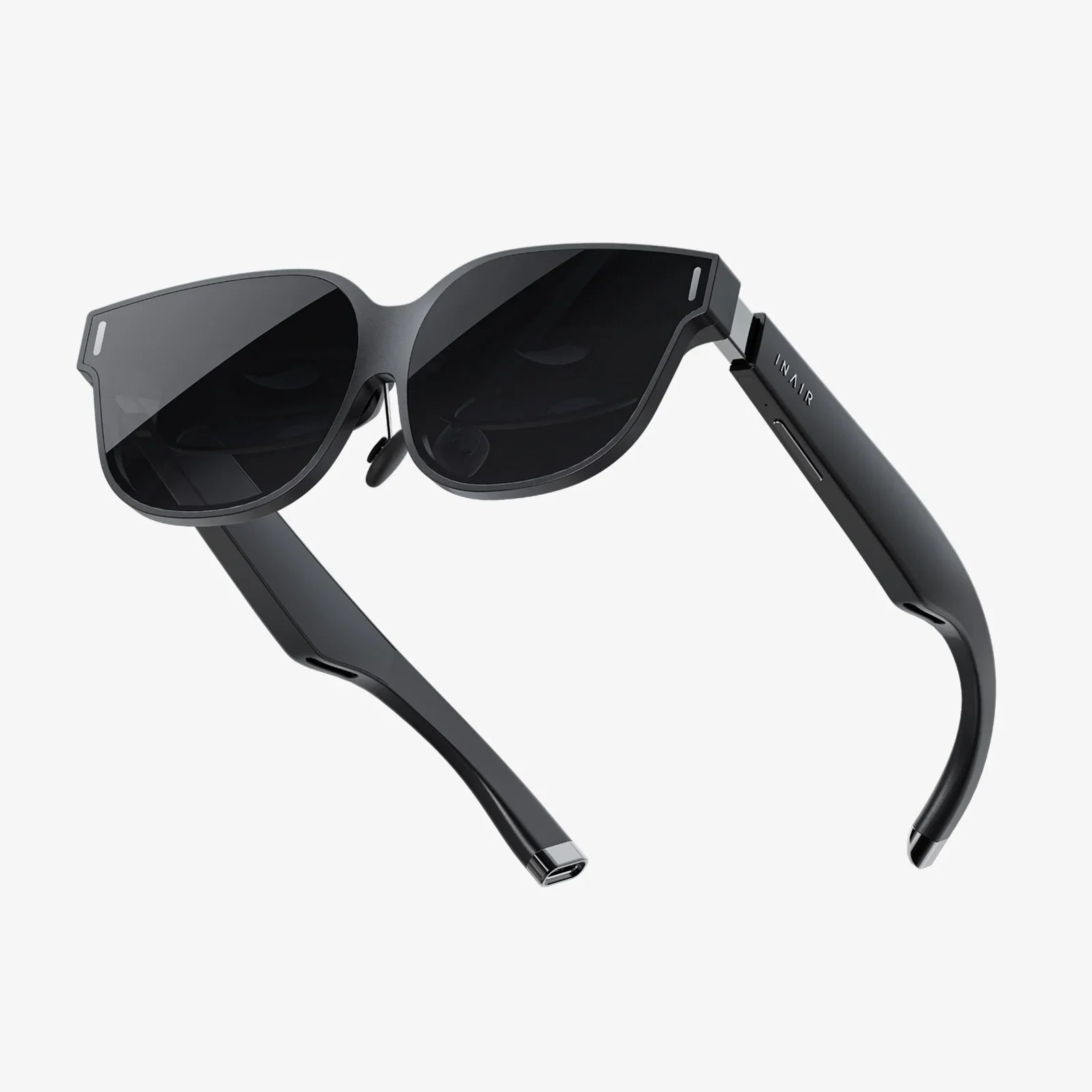
- by wangfred
Best AR Glasses for Coding: A Developer's Portal to the Future
- by wangfred
Imagine a world where your development environment isn't tethered to a physical desk, where your IDE floats seamlessly in your living room, a coffee shop, or even a park. This isn't a scene from a sci-fi movie; it’s the tangible present being unlocked by the best AR glasses for coding. For developers, engineers, and tech enthusiasts, this emerging technology represents more than a novelty; it signifies a fundamental shift in how we interact with the digital realm, promising to untether productivity from the traditional monitor and redefine the very concept of a workspace.
The primary draw of augmented reality for coding is the promise of limitless screen real estate. Traditional physical monitors, no matter how large or numerous, are constrained by the walls they lean against and the desks they sit upon. AR glasses shatter these constraints. They project virtual displays into your field of view, allowing you to surround yourself with browser documentation, a sprawling terminal window, your primary code editor, and a live preview of your application—all simultaneously and without the physical bulk. This creates a deeply immersive and focused environment, minimizing context switching and the constant Alt-Tabbing that can fracture a developer's flow state. You're no longer working on a computer; you are within your computer's workspace.
Not all augmented reality devices are created equal, especially for the demanding task of coding. The criteria extend far beyond simple resolution. When evaluating the best AR glasses for coding, several technical and ergonomic factors become paramount.
For staring at lines of code for hours on end, visual clarity is everything. Two key metrics define this:
A developer's work often involves long, uninterrupted sessions. If the glasses are heavy, poorly balanced, or generate excessive heat, they will be abandoned quickly. The ideal pair should be lightweight, with weight distribution that doesn't pressure the nose or ears. Adjustable nose pads and temple arms are critical for a secure and comfortable fit across different head shapes. Furthermore, passive or active cooling systems to prevent fogging on the lenses are a small but vital feature for maintaining focus.
The hardware is only half the battle. The software that drives the experience is equally important. A robust and intuitive operating system is needed to manage virtual desktops, allow for easy window placement and resizing, and provide a seamless connection to your host machine, whether it's a desktop computer or a laptop. Support for popular operating systems is a must. Furthermore, a strong SDK and active developer community encourage the creation of specialized coding applications and plugins that can further enhance the experience, from virtual whiteboarding for architecture diagrams to immersive data visualization tools.
There is a spectrum of connectivity models:
The "best" option depends on your primary use case: raw power for complex development or ultimate portability for coding on the go.
The practical applications of AR glasses for coding extend far beyond just virtual monitors. They enable entirely new workflows:
With a powerful pair of standalone AR glasses or a tethered pair connected to a compact laptop, your entire development environment becomes portable. You can code with a massive, multi-screen setup from anywhere—a library, a train, or a temporary workspace. This is a game-changer for digital nomads, consultants, and anyone who values flexibility.
Imagine two or more developers, potentially continents apart, sharing not just a screen, but a virtual space. They could stand around a 3D model of an application's architecture, point to specific code blocks floating in the air, and draw diagrams in real-time within the shared AR environment. This moves remote collaboration from a flat, 2D video call into a collaborative 3D workspace, making it feel more natural and effective.
Future applications could overlay runtime data directly onto the code. Imagine debugging a function and having real-time variable values, stack traces, or performance metrics appear as holographic annotations next to the relevant lines of code. Or visualizing data flows and network requests in an immersive 3D graph, making complex system interactions easier to understand and troubleshoot.
It's important to approach this technology with realistic expectations. As of today, even the best AR glasses for coding exist in a state of rapid evolution. Battery life for standalone units can be a limiting factor for long sessions. The visual fidelity, while impressive, may still not match the razor-sharp clarity of a premium 4K monitor for everyone. Furthermore, the software, though improving monthly, can sometimes feel like a beta experience, requiring a tolerance for occasional bugs or quirks. The developer adopting this tech today is both a user and a pioneer, helping to shape the tools of tomorrow.
The trajectory of this technology is incredibly exciting. We are moving towards even lighter, more socially acceptable designs that resemble standard eyeglasses. Displays will achieve retinal-level resolution, making virtual text indistinguishable from print. Advancements in eye-tracking and gesture control will allow for more intuitive interaction with our virtual interfaces. Eventually, your AR glasses could become your primary computer, phone, and entertainment system—a single, unified portal to your digital life.
The quest for the perfect development setup is a perennial pursuit for coders, and the emergence of high-fidelity AR glasses marks a revolutionary chapter. This technology is rapidly maturing from a compelling prototype into a genuinely powerful professional tool. While the market continues to evolve with new entrants and technological breakthroughs, the core promise remains unchanged: to liberate the developer from the static screen and unlock a new dimension of focus, flexibility, and immersion. The future of coding isn't just on a screen; it's all around you, waiting to be put on.
Share:
Virtual Reality Toolkit: The Ultimate Guide to Building Immersive Worlds
Innovative Virtual Reality: Reshaping Reality and Redefining Human Experience