


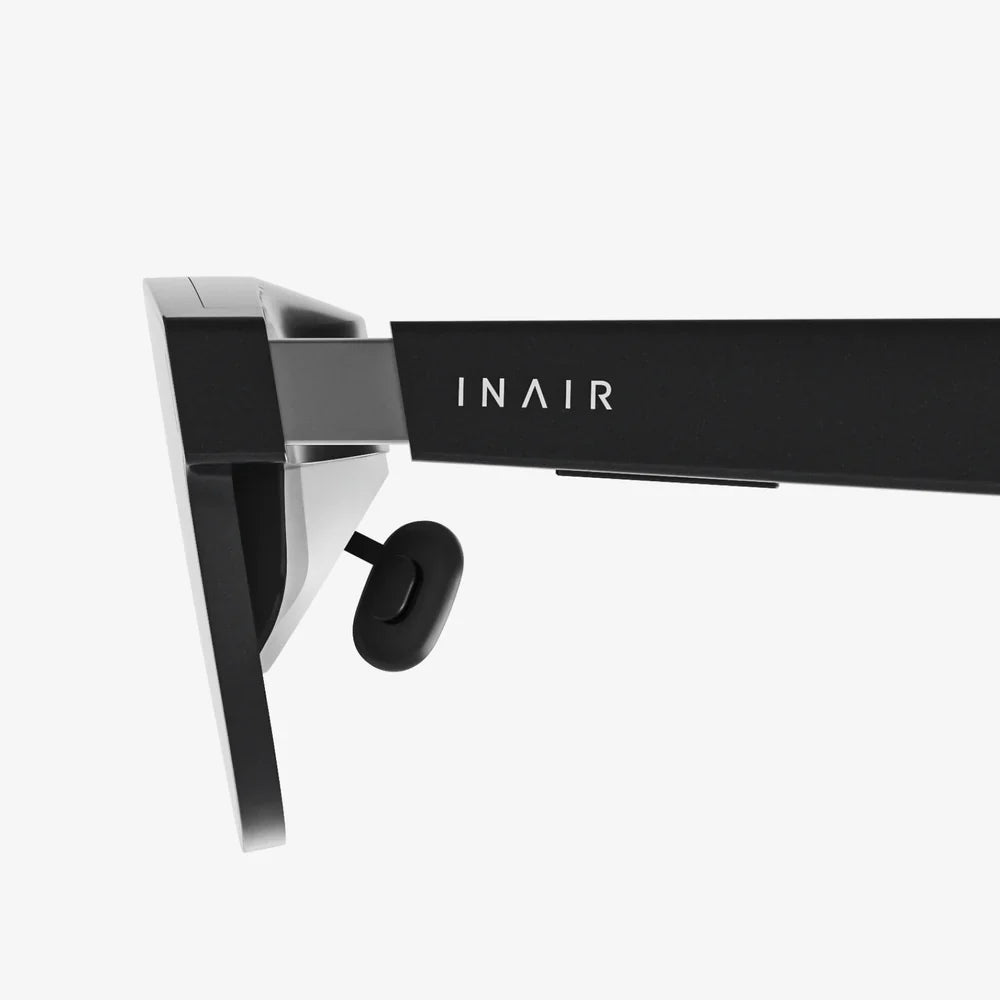
Imagine a world where digital information doesn't confine you to a screen but instead, seamlessly integrates with the world around you. Directions float on the pavement before you, a recipe hovers next to your mixing bowl without a smudge, and a colleague's avatar collaborates with you on a 3D model from across the globe. This is the promise of augmented reality, and it’s no longer a distant sci-fi fantasy. The race to create the definitive pair of AR glasses is heating up, and the current landscape offers a fascinating glimpse into a future worn on our faces. Finding the best AR glasses right now isn't about a single perfect device; it's about identifying which pioneering technology aligns perfectly with your vision of the future.
The State of AR: Beyond the Hype Cycle
The technology behind AR glasses has evolved at a breathtaking pace. We've moved from clunky, tethered prototypes with narrow fields of view to increasingly sophisticated, standalone devices. The current generation is defined by several key technological breakthroughs. Micro-OLED displays offer stunning brightness and clarity, essential for overlaying digital images onto the real world. Advanced waveguide optics project these images directly into the user's eyes, allowing for sleek, glasses-like designs rather than helmet-like headgear. Spatial computing processors, often with dedicated AI engines, understand the environment in real-time, anchoring digital objects persistently so they don't drift or jitter. This convergence of display, optics, and processing power is what makes modern AR glasses not just possible, but genuinely impressive and useful.
Defining "Best" – It’s All About the Use Case
When searching for the best AR glasses right now, the most critical question to ask is: "Best for what?" Unlike smartphones, which are largely general-purpose devices, AR glasses are beginning to specialize. There is no one-size-fits-all solution, and the ideal pair for a developer is vastly different from the ideal pair for a consumer watching movies.
For the Immersive Media Consumer
For those seeking a personal theater experience, the key metrics are display quality, comfort, and audio. This category prioritizes a massive, virtual screen that feels stable and clear. High resolution and high contrast ratios are non-negotiable for enjoying films and games. Many of the top contenders in this space act as external monitors, leveraging the processing power of a connected device to deliver content, which allows them to be lighter and more comfortable for extended viewing sessions. Excellent, immersive spatial audio that doesn't leak sound is also a hallmark of the best devices in this class.
For the Productivity Power User
Professionals and developers need more than a big screen; they need a functional workspace. This means a strong focus on software ecosystem, multitasking capabilities, and input methods. The best productivity AR glasses offer multiple floating windows for apps, robust support for virtual keyboards, hand tracking, and voice control. They often feature front-facing cameras for document scanning and video conferencing, allowing users to interact with digital content while still having a clear view of their physical hands and keyboard. Battery life is also paramount, as a workday demands more than a few hours of uptime.
For the Tech Pioneer and Developer
This group is less concerned with polished consumer experiences and more interested in raw potential and platform capability. For them, the best AR glasses offer powerful sensors (LiDAR, depth sensors, high-resolution cameras), full access to development tools, and the ability to experiment with the core functionalities of AR—environmental understanding, persistent digital content, and shared multi-user experiences. These devices are often more expensive and experimental but represent the bleeding edge of what the technology can do.
The Form Factor Spectrum: From Subtle to Statement
The physical design of AR glasses is a constant battle between capability and social acceptability. Currently, devices fall into a few distinct categories.
True Glasses Form Factor
The holy grail is a pair of AR glasses that look nearly indistinguishable from regular prescription eyewear. This requires immense miniaturization of all components, especially the optics and batteries. While no device has fully achieved this without significant trade-offs in capability, several modern options have gotten remarkably close, offering a style that you wouldn't feel uncomfortable wearing in a coffee shop.
Extended Visors and Goggles
On the other end of the spectrum are devices that prioritize performance over discretion. These often feature a wraparound design that blocks out ambient light to enhance the contrast of the digital display. They typically house larger batteries and more powerful speakers, making them ideal for immersive media consumption and gaming but less suitable for all-day wear in social situations.
Key Features to scrutinize
Beyond the intended use, several technical specifications separate the good from the truly great in the current market.
- Field of View (FOV): Measured diagonally in degrees, this is how much of your vision the digital image occupies. A larger FOV feels more immersive but is technologically challenging to achieve. Current consumer devices range from modest to expansive.
- Resolution and Brightness: A sharp, bright display is essential for readability and for digital objects to feel solid in the real world, especially in outdoor lighting conditions. Look for high nits of brightness.
- Tracking and Passthrough: The quality of the cameras that feed the real world to you is crucial. Low-latency, high-resolution video passthrough enables more advanced AR experiences and is a key feature of newer devices.
- Battery Life and Management: AR is power-hungry. Evaluate whether the battery is built-in or external, how long it lasts under real-world use, and how it affects the weight and balance of the glasses.
- Spatial Audio: High-quality, directional audio that seems to come from the digital objects around you is a huge part of selling the illusion and enhancing immersion.
The Software and Ecosystem: The Invisible Engine
The hardware is only half the story. The best AR glasses right now are backed by robust and evolving software platforms. This includes a dedicated operating system designed for spatial computing, a thriving app store with quality content, and strong developer support. The ability to seamlessly connect with your existing ecosystem of devices—phones, laptops, cloud services—is a significant advantage. Furthermore, features like multi-user collaboration, where several people can see and interact with the same digital objects, are moving from demo reels to reality and are a key indicator of a mature platform.
Navigating the Limitations and Looking Ahead
It's important to approach this technology with realistic expectations. Even the best AR glasses right now represent an early chapter in a long story. Battery life, while improving, can still be a constraint for all-day use. The social acceptance of wearing cameras on your face is an ongoing conversation. The library of native AR apps, though growing, is not yet as vast as mobile app stores. However, the pace of innovation is staggering. Each new generation brings significant leaps in processing power, display technology, and battery efficiency, inching us closer to the dream of ubiquitous, invisible computing.
The search for the best AR glasses is ultimately a personal exploration into the future of human-computer interaction. It’s about choosing which gateway into the spatial web you want to step through today. Whether your priority is a private cinema, a boundless desktop, or a developer's playground, the current market holds incredible devices that are actively shaping tomorrow. The revolution won't be televised; it will be overlayed right before your eyes.
Share:
Portable Travel Computer Monitor The Ultimate Guide to a Mobile Office Anywhere
2D to 3D Video Converter App: Transforming Your Flat Screen into a Dimensional Portal