


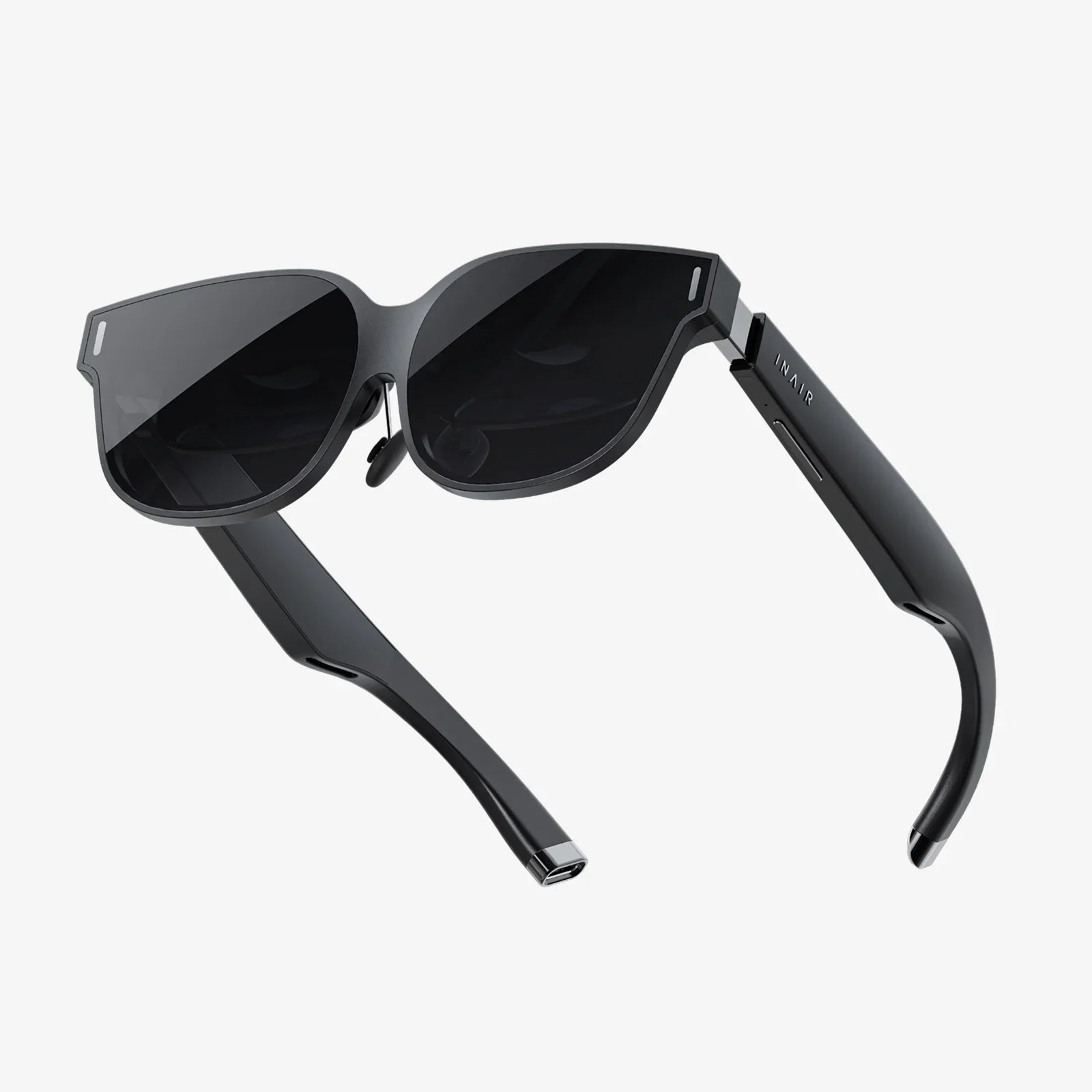
Imagine stepping through a portal, leaving your living room behind and drawing your sword in a fantastical realm, feeling the adrenaline surge as a dragon soars overhead—this is the promise of the best gaming VR, a promise that is no longer science fiction but a breathtaking, buy-in reality available right now. The quest for true immersion, to not just play a game but to live inside it, has driven technological innovation for decades, and virtual reality represents its current pinnacle. This isn't about watching a screen; it's about presence. It's about the visceral flinch when a bullet whizzes past your ear, the genuine sense of scale as you stare up at a colossal mech, and the muscle memory you develop from physically swinging a virtual lightsaber. The landscape of VR gaming has evolved from clunky, niche prototypes to a mature and thrilling segment of the gaming industry, offering experiences that are simply impossible on any other platform. For those ready to take the plunge, the journey to finding your perfect virtual foothold begins here.
The Pillars of VR: Understanding the Hardware Ecosystem
Choosing the best gaming VR setup is fundamentally about understanding the different technological approaches available. There is no single "best" option for everyone; rather, the ideal choice hinges on your priorities, whether they be graphical fidelity, ease of use, wireless freedom, or budget.
PC-Powered VR: The Apex of Performance
For gamers who demand the highest possible visual fidelity, complex physics, and the most detailed virtual worlds, PC-powered systems remain the undisputed champion. These headsets act as ultra-high-resolution monitors strapped to your face, but the real magic happens in a powerful computer. This external processing power allows for vastly more complex environments, higher polygon counts, advanced lighting effects like ray tracing, and more sophisticated non-player character (NPC) behavior.
The requirements are significant. You'll need a modern computer with a powerful graphics card, ample RAM, and a suite of compatible ports. The investment is higher, but the return is an experience that can be genuinely photorealistic and deeply immersive. Setup typically involves connecting the headset to the PC via a high-speed cable and placing external sensors around your play space for precise tracking of your head and controllers. While newer models are simplifying this process, it remains a more involved setup than its standalone counterparts.
Standalone VR: The Freedom of Wireless Gaming
The most revolutionary shift in the VR market has been the advent of compelling standalone headsets. These are all-in-one devices with a built-in processor, storage, and battery, requiring no wires to a PC or console. You simply put on the headset and you're inside the game.
The primary advantage is accessibility and convenience. There are no cables to trip over, no expensive PC required, and no complex setup. This makes it incredibly easy to jump into a VR session spontaneously and to share the experience with others. The wireless nature also allows for complete physical freedom; you can spin, crouch, and dodge without a second thought for your surroundings.
The trade-off comes in raw graphical power. While the chips inside these devices are impressive feats of mobile engineering, they cannot compete with a top-tier desktop graphics card. Developers must optimize their games carefully for these platforms, often resulting in simpler visuals, less complex environments, and shorter draw distances compared to their PC counterparts. However, the sheer convenience and library of high-quality games make standalone VR the best entry point for most consumers.
Console-VR Integration: Plug and Play Immersion
Sitting between the two extremes is the console-based approach. This involves a headset designed to work exclusively with a specific video game console. The model here is one of streamlined, user-friendly integration. The hardware and software are designed from the ground up to work together seamlessly.
Users benefit from a plug-and-play experience. There's no need to worry about PC specifications, driver updates, or compatibility issues. You connect the headset to your console, and it just works. The performance and visual quality typically exceed that of standalone headsets by leveraging the console's more robust hardware, though it generally doesn't reach the peak potential of a high-end gaming PC. This ecosystem offers a curated but high-quality library of games optimized specifically for that hardware combination, ensuring a smooth and polished experience.
Beyond the Headset: Critical Features for the Best Experience
The headset itself is only part of the equation. Several underlying technologies critically define the quality of your immersion.
Visual Fidelity: Resolution, Refresh Rate, and Lenses
The clarity of the virtual world is paramount to maintaining the illusion. Key factors include:
- Resolution: Measured in pixels per eye, higher resolution drastically reduces the "screen door effect" (the visible lines between pixels) and makes text sharp and environments clear.
- Refresh Rate: Measured in Hertz (Hz), a higher refresh rate (90Hz and above) is crucial for smooth motion. Low refresh rates can cause discomfort, motion sickness, and break immersion.
- Lens Technology: Advanced lens designs, like pancake lenses, allow for a thinner, lighter headset design and a larger "sweet spot"—the area where the image is perfectly in focus—making the headset more comfortable to wear for extended periods.
- Field of View (FOV): A wider FOV means more of your vision is filled by the game, increasing the feeling of being "inside" the world. Most consumer headsets range from 90 to 110 degrees.
Tracking: How the World Follows Your Moves
Precise tracking is what makes VR interactive. There are two primary methods:
- Inside-Out Tracking: Cameras on the headset itself look outward to track the position of the controllers and map your physical environment. This eliminates the need for external base stations, simplifying setup and making it ideal for standalone and many PC headsets.
- Outside-In Tracking: External sensors or base stations placed in the room track the position of the headset and controllers. This method is often considered the gold standard for absolute precision, especially for competitive gaming and full-body tracking, but requires a more permanent setup.
Controllers: Your Hands in the Virtual World
VR controllers are far more than just gamepads. They are your virtual hands. The best controllers feature:
- Ergonomics: They must feel comfortable and intuitive to hold for long periods.
- Haptic Feedback: Subtle vibrations that simulate touch, like the feeling of drawing a bowstring or the impact of a punch.
- Finger Tracking: The ability to detect individual finger movements, allowing for natural gestures like pointing, grabbing, and throwing.
A Universe of Experiences: Genres That Shine in VR
VR isn't just a new way to play; it has spawned entirely new genres and revitalized old ones.
First-Person Shooters (FPS) and Action Games
This genre is transformed in VR. Aiming is no longer done with a thumbstick but with your actual hand-eye coordination. Ducking behind cover means physically crouching, and reloading often involves a complex physical maneuver that makes you feel like an action hero. These games test not just your reflexes but your physical stamina and spatial awareness.
Rhythm and Music Games
By combining music, timing, and full-body movement, VR rhythm games have become a phenomenal way to exercise without feeling like you're exercising. Slashing notes to the beat or dodging obstacles in time with the music is incredibly addictive and satisfying, creating a powerful kinetic connection to the soundtrack.
Horror and Psychological Thrillers
If you thought horror games on a monitor were scary, VR horror is on another level. The inability to look away, the sounds coming from behind you, and the palpable sense of presence make for an intensity that is unmatched in all of gaming. It's the ultimate test of nerve for thrill-seekers.
Social and Cooperative Experiences
VR has given rise to vibrant social platforms where you can meet friends as expressive avatars, watch movies together on a giant virtual screen, attend live events, or simply hang out. Cooperative games take on a new dimension when you can physically high-five your teammate after a hard-fought victory or strategize by literally drawing plans in the air.
Simulation and Sandbox Games
From piloting intricate spacecraft to constructing elaborate machines, simulation games benefit immensely from the hands-on, intuitive control that VR provides. Sandbox games empower your creativity, allowing you to build and interact with worlds in a direct, physical way that feels like playing with the ultimate digital Lego set.
Gazing into the Crystal Ball: The Future of VR Gaming
The technology is advancing at a breakneck pace. The next generation of hardware is already pointing toward a future that solves many of the current limitations. We are moving toward headsets that are significantly smaller, lighter, and more comfortable, with resolutions so high the virtual world is indistinguishable from reality. Eye-tracking and facial expression tracking will allow avatars to convey nuanced emotion, deepening social interaction. The concept of "passthrough AR"—using headset cameras to blend the real world with the virtual—will create entirely new mixed-reality game genres that interact with your physical space. Furthermore, developments in haptic technology, from advanced controllers to full-body suits and gloves, promise to finally simulate the sense of touch, completing the sensory immersion. The line between the real and the virtual is set to become beautifully, thrillingly blurred.
Your avatar is waiting, your lightsaber is humming, and a universe of unparalleled adventure is just a headset away. The question is no longer if VR gaming is worth it, but which incredible world you will choose to step into first. The best gaming VR has already arrived, and it’s actively reshaping our very definition of play, offering a passport to experiences that ignite the imagination and challenge the body in ways once confined to daydreams. The ultimate escape hatch is now open.
Share:
AR Headsets with Hand-Tracking Support 2025: The Future of Interaction Is in Your Hands
What Is A HUD? The Ultimate Guide To Heads-Up Display Technology