


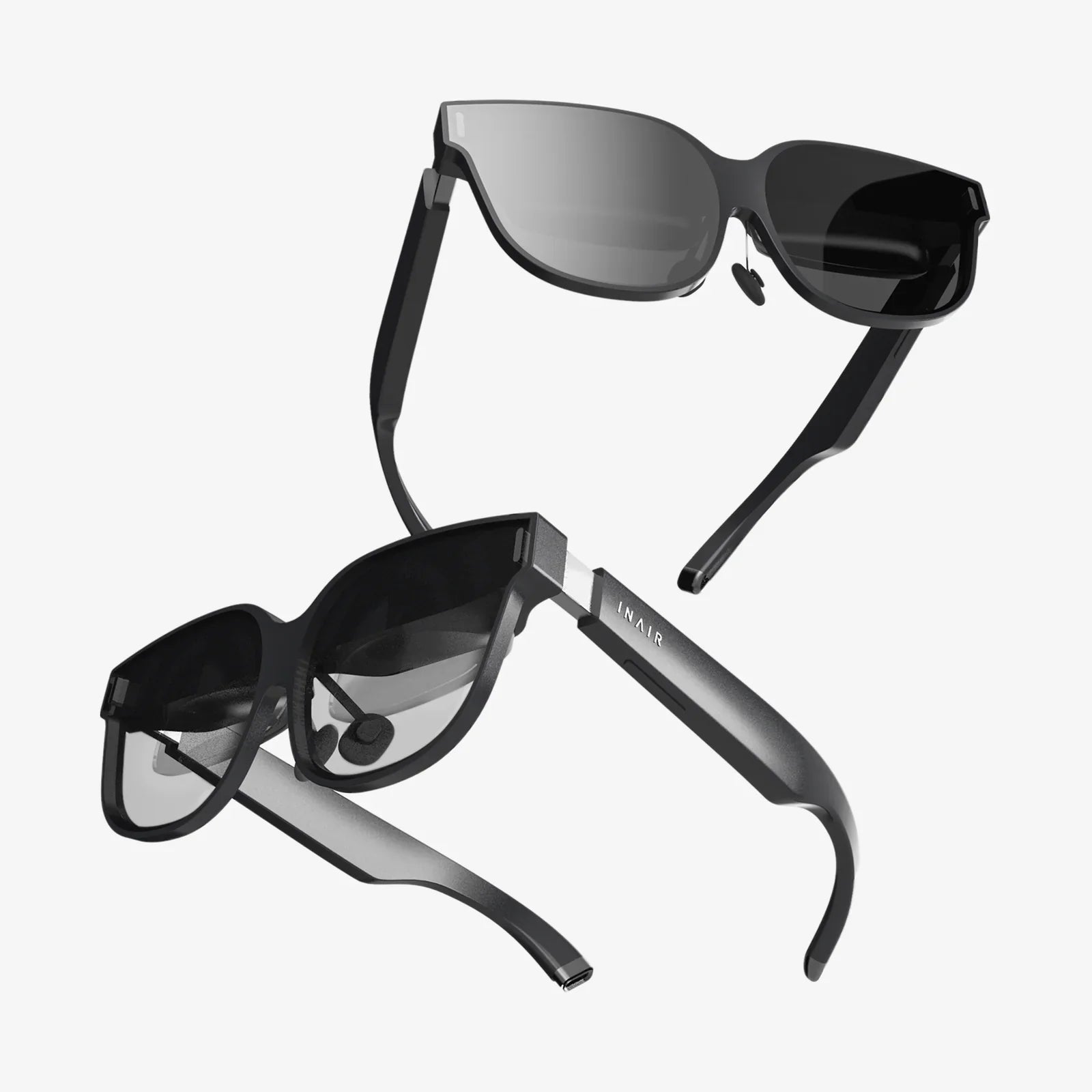
Imagine slipping on a headset and being instantly transported to a world so vivid, so responsive, and so utterly convincing that the boundaries of your physical room dissolve completely. This isn't a distant dream; it's the promise held within the best PC VR headset 2025 specs. The coming year is poised to be a watershed moment for virtual reality, not through incremental updates, but through a fundamental leap in the core technologies that define immersion. For the discerning enthusiast, the specs sheet is no longer just a list of numbers; it's a blueprint for a new reality. Understanding these specifications is the key to unlocking experiences that were previously confined to science fiction.
The Heart of the Experience: Display and Visual Fidelity
At the core of any VR headset lies its display, the literal window into virtual worlds. In 2025, we are moving far beyond the pixelated screens and distracting screen-door effects of early generations. The best PC VR headset 2025 specs will be defined by a trifecta of display advancements: resolution, panel technology, and field of view.
Resolution and Pixels Per Degree (PPD)
While manufacturers often tout "4K" or "8K" resolutions, the most critical metric for VR is Pixels Per Degree (PPD). This measures the angular density of pixels from the user's perspective, directly correlating to perceived sharpness and the elimination of the screen-door effect. In 2025, leading headsets will push PPD well above 35, a figure that begins to approach the theoretical limit of human visual acuity (around 60 PPD). This means text will be razor-sharp, distant objects in simulations will be clearly defined, and the virtual world will feel solid and real, not like a low-resolution image stretched before your eyes.
Micro-OLED and Advanced Mini-LED Backlighting
The panel technology war is heating up. Many high-end headsets are expected to adopt Micro-OLED displays. Unlike traditional LCDs, each pixel in a Micro-OLED panel is self-emissive, meaning it can turn completely off to produce perfect, inky blacks and an infinite contrast ratio. This is a game-changer for space sims, horror games, and any experience where dark scenes are prevalent. Furthermore, Micro-OLEDs offer incredibly fast response times, virtually eliminating motion blur and ghosting.
For a different approach, some headsets will utilize high-end Mini-LED LCD panels with a full-array local dimming (FALD) system featuring thousands of individual dimming zones. When paired with advanced quantum dot filters, this technology can also achieve spectacular contrast and vibrant, wide color gamuts, often at a lower cost, making high dynamic range (HDR) a standard, must-have feature for the first time.
Expansive Field of View (FoV)
Immersion is broken the moment you perceive the black borders of the display, a phenomenon often described as "looking through binoculars." The best PC VR headset 2025 specs will aggressively tackle this with field of view (FoV) numbers pushing beyond 140 degrees horizontally. Some prototypes are even targeting 180+ degrees. Achieving this requires complex optical solutions, often involving aspherical or pancake lenses, which also help reduce the overall size and weight of the headset. A wider FoV dramatically increases the sense of presence and scale, making virtual environments feel truly enveloping.
The Unseen Engine: Tracking, Latency, and Performance
A beautiful display is useless if the world it portrays is laggy, jittery, or imprecise. The magic of presence is sealed by flawless tracking and near-instantaneous responsiveness.
Inside-Out Tracking Evolution
Outside-in tracking with external base stations will remain the gold standard for pure, sub-millimeter accuracy demanded by competitive esports and professional applications. However, the convenience and ease of use of inside-out tracking will see massive improvements. The best PC VR headset 2025 specs will include a higher number of wide-field-of-view cameras, often combined with dedicated depth sensors (like time-of-flight sensors). This setup allows for incredibly robust controller tracking, even behind the user's back, and enables advanced body tracking without additional hardware. Machine learning algorithms will process this camera data in real-time to predict motion and compensate for any occlusion, making the experience seamless and intuitive.
The War on Latency: From Photons to Pixels
Latency—the delay between your movement and the display updating—is the mortal enemy of VR comfort. High latency is the primary cause of simulator sickness. The spec sheet for a top-tier 2025 headset will highlight end-to-end latency figures well below 15 milliseconds. This is achieved through a combination of high-refresh-rate displays, incredibly fast panel response times, and efficient data pipelines from the tracking cameras to the graphics processing unit (GPU) and back to the display. Features like Fixed Foveated Rendering, supercharged by eye-tracking, will also play a crucial role by drastically reducing the rendering workload, allowing the system to maintain these high frame rates.
DisplayPort 2.1 and Bandwidth
Pushing the massive amounts of data required for these high-resolution, high-refresh-rate displays demands a significant leap in connectivity. The adoption of DisplayPort 2.1 (and its virtual link counterpart over USB4) is non-negotiable for the best PC VR headset 2025 specs. With a maximum data rate of up to 77.37 Gbps, DP 2.1 provides the necessary bandwidth for uncompressed visual data, ensuring a crystal-clear, artifact-free image without the compression artifacts that can sometimes plague wireless or older wired connections.
Comfort and Biometrics: The Human Factor
Specifications are meaningless if the headset is too uncomfortable to wear for more than thirty minutes. 2025 will see a major focus on ergonomics and biometric integration.
Ergonomics and Weight Distribution
The era of front-heavy helmets is ending. The best designs will use advanced materials like magnesium alloys and carbon fiber to reduce weight while maintaining rigidity. More importantly, they will feature sophisticated strap systems, often with a counter-weight at the back, to distribute weight evenly across the head and cheeks. The goal is a feeling of security without pressure, allowing for multi-hour play or work sessions in complete comfort.
Integrated Eye-Tracking and Foveated Rendering
Once a futuristic concept, eye-tracking is becoming a cornerstone of high-end VR. Its applications are twofold. First, and most importantly, it enables Dynamic Foveated Rendering (DFR). The human eye only sees a small central area (the fovea) in high detail. DFR uses eye-tracking to render only the area you are directly looking at in full resolution, while intelligently reducing the rendering load in your peripheral vision. This can result in a performance saving of 50% or more, allowing for vastly superior graphics and effects without needing a prohibitively expensive graphics card.
Second, eye-tracking enables new forms of social interaction in multiplayer metaverse applications, allowing for realistic avatars that make eye contact and blink, and providing invaluable analytics for enterprise training simulations.
Face and Bio-Sensing
The next frontier of immersion is emotional recognition. Some flagship 2025 headsets are rumored to include sensors that can track cheek and mouth movements, enabling avatars to lip-sync and express emotions based on your real facial gestures. Furthermore, integrated electrodermal activity (EDA) or photoplethysmography (PPG) sensors could measure user stress or excitement levels, allowing games to dynamically adapt their difficulty or narrative based on your physiological state.
The PC Partnership: Hardware Synergy
A PC VR headset is only as good as the computer powering it. The staggering specs of 2025's best will demand a powerful and compatible setup.
GPU Requirements and Next-Gen Features
To fully leverage the high resolutions (3000x3000+ per eye) and refresh rates (120Hz and beyond), users will need a high-end graphics card from the current or previous generation. Features like DirectStorage, which drastically reduces asset loading times, and the continued maturation of AI upscaling technologies like DLSS and FSR in VR will be crucial. These technologies will help bridge the performance gap, making these premium experiences more accessible without requiring a top-spec GPU to run at minimum settings.
Software Ecosystem and API Efficiency
The underlying software is just as important as the hardware. Drivers and runtime environments must be hyper-efficient to minimize overhead. The battle between OpenXR and proprietary APIs will continue, with the industry-standard OpenXR hopefully solidifying its position, ensuring broader compatibility and more consistent performance across different hardware combinations. A clean, low-overhead software stack is an invisible but critical spec that can make or break the experience.
As you dissect the spec sheets of the coming year, look beyond the marketing hype. The true winners will be the headsets that master the delicate balance of stunning visuals, flawless performance, and intuitive comfort. The numbers tell a story of a future where the line between our reality and the digital ones we create is not just blurred, but erased. The raw technical power hinted at in the best PC VR headset 2025 specs is the key that will finally, truly, unlock the door.
Share:
Major VR Headset Brands: A Deep Dive into the Titans Shaping Our Virtual Future
How to VR Goggles Work: A Deep Dive into Immersive Technology