


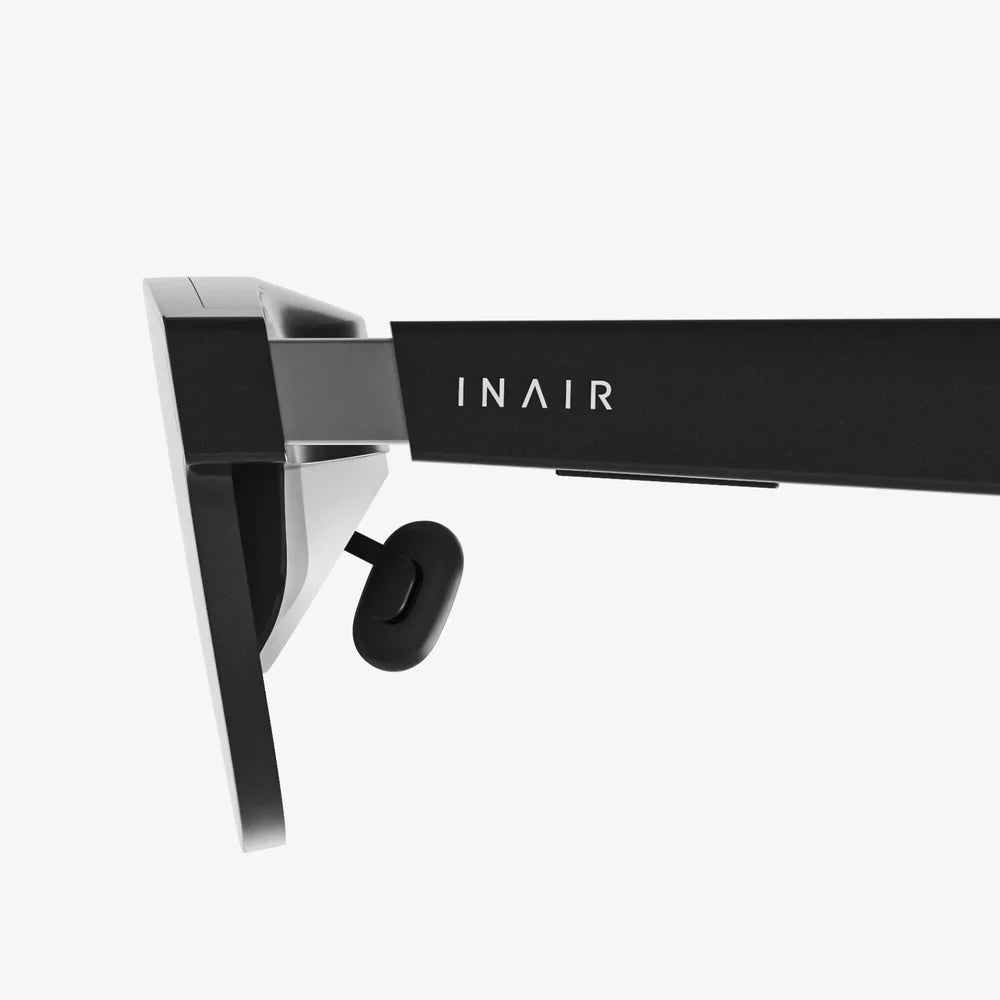
Imagine slipping on a headset and being instantly transported to a photorealistic virtual world, where every detail is razor-sharp, your movements are perfectly mirrored without a hint of lag, and the line between reality and simulation utterly dissolves. This isn't a distant sci-fi fantasy; it's the promise held by the best PC VR headsets of 2025. The race for virtual supremacy has reached a fever pitch, delivering a generation of hardware so advanced it redefines what immersion truly means. If you're ready to experience the absolute pinnacle of digital escapism, the time to look forward is now.
The New Gold Standard: Defining the Best in 2025
What separates a truly exceptional PC VR headset from a merely good one in 2025? The goalposts have moved dramatically. It's no longer just about resolution and refresh rate. The best PC VR headset of 2025 is a holistic system, a symphony of cutting-edge technology working in perfect harmony to create a seamless, comfortable, and breathtakingly realistic experience.
The core differentiators now include:
- Visual Fidelity Beyond 4K: Pancake lenses are now standard, offering edge-to-edge clarity, while micro-OLED displays deliver per-eye resolutions that meet or exceed 4K, with impeccable contrast, true blacks, and vibrant HDR.
- Effortless Inside-Out Tracking: External base stations are a relic of the past for all but the most niche professional uses. Advanced computer vision algorithms, powered by dedicated onboard processors, deliver flawless, sub-millimeter controller and body tracking without a single external sensor.
- Intuitive User Experience: From instant, room-mapped setup to seamless integration with popular PC platforms, the friction between you and your virtual world is virtually eliminated.
- All-Day Comfort: Lightweight materials, advanced counter-balancing, and improved facial interfaces make multi-hour gaming and productivity sessions not just possible, but pleasant.
The Heart of the Matter: Display and Lens Technology
The window to your virtual world is the most critical component, and in 2025, that window is crystal clear. The era of the Fresnel lens, with its god rays and blurry edges, is officially over. The universal adoption of pancake lenses has been a game-changer. By folding the light path, these lenses allow for a much more compact headset design while simultaneously providing a consistently sharp image across the entire field of view. There is no "sweet spot" to find; it's all sweet spot.
Behind these advanced lenses sit displays that are nothing short of spectacular. Micro-OLED panels have become the display of choice for the best PC VR headset 2025 has to offer. Unlike traditional LCDs, each pixel in a micro-OLED panel is its own light source. This allows for perfect per-pixel illumination, resulting in infinite contrast ratios, pitch blacks, and a color gamut that makes virtual worlds feel alive. With per-eye resolutions hovering around 2880 x 2880 or higher, the dreaded "screen door effect" is a forgotten nightmare. When combined with high dynamic range (HDR), the visual impact is profound—glowing neon signs in a cyberpunk city truly glow, and the sun cresting a virtual mountain is genuinely dazzling.
Furthermore, variable refresh rate technology, borrowed from high-end gaming monitors, has made its way into VR. This synchronizes the headset's refresh rate (up to 120Hz or even 140Hz) with your PC's output, eliminating screen tearing and minimizing stutter for buttery-smooth motion that is easy on the eyes, even during the most frantic action.
The Freedom of Movement: Tracking and Controllers
Immersion breaks the moment the technology reminds you it's there. Nothing shatters the illusion faster than a controller drifting away or your in-game hands jittering. The best PC VR headset 2025 models have solved this with astonishingly robust inside-out tracking systems.
Using a combination of high-resolution wide-field-of-view cameras, ultra-wideband sensors, and powerful on-board AI chips, these headsets construct a real-time, millimeter-accurate 3D map of your environment. This isn't just for tracking; it's for understanding. The system can identify desks, chairs, and walls, dynamically incorporating them into your safety boundary or even as physical objects within mixed-reality applications.
The controllers themselves have evolved into ergonomic marvels. They are lighter, better balanced, and feature haptic feedback so precise it can simulate the feeling of rolling a virtual marble in your palm or the subtle recoil of a specific weapon. Finger tracking is often integrated directly into the controllers, allowing for natural gestures like pointing, grabbing, and waving without the need for external cameras or specialized gloves. This level of expressiveness adds a profound new layer to social VR experiences and creative applications.
The Unseen Hero: Comfort and Audio
You can have the most technologically advanced headset in the world, but if it's a pain to wear, it will gather dust. Manufacturers in 2025 have embraced a human-centric design philosophy. We're seeing widespread use of lightweight magnesium alloys and advanced polymers that reduce weight without sacrificing durability.
The weight distribution has also been radically improved. Many top-tier headsets use a counter-balanced battery pack at the rear, which serves a dual purpose: it shifts the center of gravity to the middle of your head, eliminating neck strain, and it allows for hot-swapping, meaning you can play indefinitely without being tethered to an outlet. Facial interfaces use breathable, moisture-wicking materials and magnetic, easily replaceable foam and gel inserts to accommodate a wide range of face shapes and preferences.
Audio is another critical pillar of immersion. The best systems have moved beyond basic built-in speakers. Off-ear, near-field speakers are now the norm. They are positioned close to the ears without actually touching them, creating a rich, spatialized soundscape that feels like it's coming from the environment around you, all while allowing you to remain aware of your real-world surroundings if you need to. For private listening, high-bandwidth, low-latency wireless audio streams seamlessly to compatible earbuds.
The PC Partnership: Connectivity and Performance
A PC VR headset is only as good as the computer powering it. The connectivity standard for the best PC VR headset 2025 contenders is unequivocally DisplayPort 2.1 over a single, sleek USB4 cable. This single connection delivers the massive bandwidth required for uncompressed, high-resolution, high-refresh-rate video and robust power delivery to the headset itself, often making a separate power adapter unnecessary.
For those seeking the absolute pinnacle of wireless performance, a new generation of dedicated wireless dongles leverages the 6GHz radio band (Wi-Fi 6E/7) to provide a near-zero-compromise experience. These solutions use advanced compression codecs that are virtually lossless to the human eye, offering a latency profile indistinguishable from a wired connection, all while freeing you to spin and move without a second thought.
Of course, this level of fidelity demands serious PC hardware. GPUs with dedicated AI upscaling cores are almost a necessity to drive these high-resolution displays at a stable, high frame rate. Thankfully, these upscaling technologies have become incredibly effective, rendering the image at a lower resolution and using AI to intelligently reconstruct a pristine, high-res picture, providing massive performance gains with minimal visual trade-offs.
Beyond Gaming: The Expanding VR Ecosystem
While gaming remains the primary driver, the value proposition of the best PC VR headset 2025 extends far into productivity and social connection. Virtual desktops are now so clear and responsive that many professionals are using them to replace physical monitors, working within massive, customizable virtual workspaces.
Mixed Reality (MR) has also come into its own. The high-resolution color passthrough cameras allow you to see your physical environment in stunning detail. This enables applications where digital content interacts with your real world: design a virtual car and then walk around your physical garage to see it from every angle, or pin interactive tutorials and schematics directly onto your real-world workbench. The line between AR and VR has effectively blurred, creating a spectrum of experiences all accessible from a single device.
Choosing Your Portal: Key Considerations
With several incredible options on the market, your choice will come down to your personal priorities and your existing PC hardware.
- For the Competitive Gamer: Prioritize a headset with the highest possible refresh rate, the lowest possible latency (both wired and wireless), and the most reliable, jitter-free tracking.
- For the Visual Purist: Seek out the highest per-eye resolution, micro-OLED displays with HDR, and the widest color gamut. Pancake lenses are non-negotiable.
- For the Professional and Creator: Focus on exceptional mixed reality capabilities with high-fidelity color passthrough, support for advanced tracking peripherals, and maximum comfort for long sessions.
- For the Tinkerer and Enthusiast: Look for open platforms with strong modding communities, extensive customization options, and support for experimental features.
Always ensure your gaming PC meets or, ideally, exceeds the recommended specifications for your headset of choice. This hardware is designed for the future; power it accordingly.
The virtual realms of 2025 are waiting, more vivid, responsive, and awe-inspiring than ever before. This new generation of hardware isn't just an incremental update; it's a fundamental leap that finally delivers on the decade-long promise of virtual reality. The best PC VR headset 2025 has to offer is your ticket to worlds of unimaginable scale and detail, limited only by the creativity of developers and the power of your rig. The question is no longer if the technology is ready—it's whether you are.
Share:
VR Headset Computer: The Ultimate Portal to Immersive Digital Realities
VR Headset Under $200: Your Ultimate Guide to Affordable Virtual Reality