


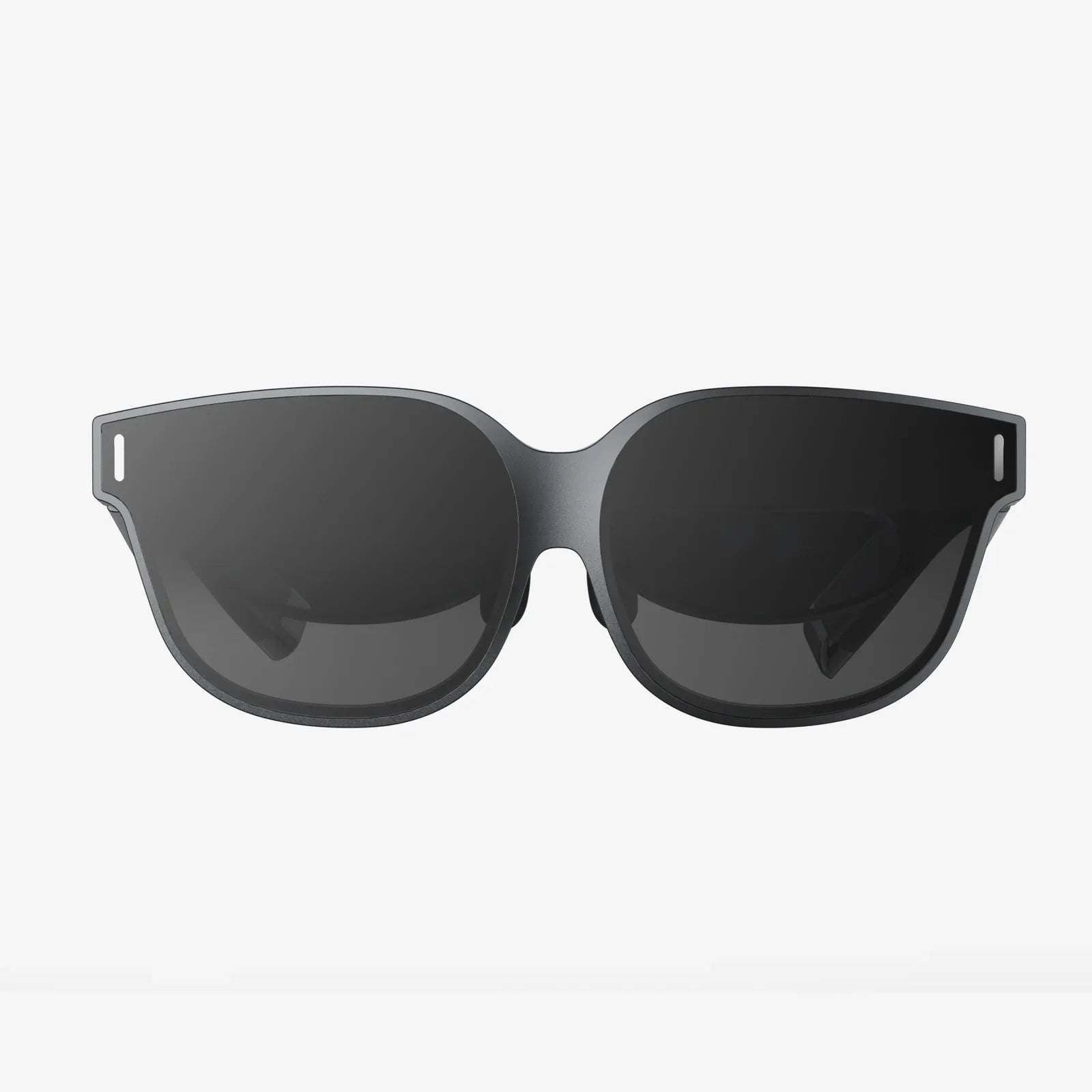
Imagine stepping through a portal into another world, a universe crafted from pure data and imagination, where the only limit is the processing power humming quietly on your desk. This is the promise, the sheer magic, of the modern VR headset computer setup—a gateway to experiences that blur the line between the digital and the physical, redefining entertainment, work, and human connection. It’s more than just a peripheral; it’s a passport to the metaverse and beyond, an experience that must be felt to be truly believed.
The Engine of Immersion: Demystifying the VR Headset Computer
At its core, a VR headset computer system is a symphony of advanced hardware and sophisticated software working in perfect, high-speed harmony. Unlike standalone devices that contain all their computing power within the headset itself, a PC-powered system leverages the raw, untamed potential of a desktop computer to deliver the most graphically intense and physically realistic experiences available today.
The headset itself, often referred to as a Head-Mounted Display (HMD), is a marvel of miniaturization. It contains two high-resolution displays (one for each eye), a complex array of lenses that warp the image into a comfortable, wide field of view, and a suite of sensors. These sensors—including gyroscopes, accelerometers, and increasingly, inside-out tracking cameras—constantly monitor the position and orientation of your head in real-time. This data is streamed instantaneously to the computer, which renders a new perspective for the virtual world, creating the undeniable sensation of actually being there. The computer, in this setup, acts as the brain. It's responsible for running the complex simulation, processing the intricate physics, rendering the stunning high-fidelity graphics at a blistering 90 frames per second or higher, and managing the precise positional tracking. This division of labor allows the headset to be lighter and more focused on its primary task: display and tracking, while the computer handles the heavy computational lifting.
Beyond the Box: Understanding System Requirements
Venturing into high-fidelity VR isn't as simple as plugging any old machine into a headset. The demands placed on the computer are among the most strenuous in all of computing. The need to render two distinct, high-resolution views at an exceptionally high and stable frame rate is paramount to prevent motion sickness and maintain immersion.
The most critical component is the Graphics Processing Unit (GPU). This is the workhorse that generates the complex visuals. A powerful, modern GPU is non-negotiable for a smooth experience. It must have ample video memory (VRAM) to store high-resolution textures and the computational power to handle advanced lighting effects like ray tracing, which is increasingly becoming a standard in virtual environments.
The Central Processing Unit (CPU) is the conductor of the orchestra. While the GPU paints the picture, the CPU manages the game logic, physics calculations, audio processing, and input/output operations for the headset and controllers. A modern, multi-core processor ensures that the entire simulation runs smoothly without bottlenecks that could introduce stuttering or lag.
Furthermore, sufficient Random Access Memory (RAM) is crucial for loading assets quickly, and a fast Solid-State Drive (SSD) drastically reduces loading times, keeping you immersed in the experience rather than staring at a loading screen. Finally, the computer must have the correct ports—typically a high-speed HDMI or DisplayPort connection and multiple USB ports for the headset and its sensors. Neglecting any one of these components can lead to a subpar, and potentially uncomfortable, virtual reality experience.
A Universe of Experiences: From Gaming to Global Collaboration
The software and applications available for VR headset computers are what truly unlock their potential, creating a diverse ecosystem of experiences that cater to every conceivable interest.
The Gaming Revolution
It's impossible to discuss VR without highlighting its seismic impact on gaming. This is the arena where the technology shines brightest. PC-powered VR gaming is the pinnacle of the medium. Players are no longer manipulating a character on a screen with a controller; they are the character. You physically duck behind virtual cover, aim your weapon with your own hands, and feel your heart race as a dragon swoops overhead, its shadow passing over you. Genres like first-person shooters, horror, and fantasy adventures are completely transformed. The sense of scale, presence, and physical interaction creates a level of emotional engagement and adrenaline that flat-screen gaming simply cannot replicate.
Enterprise and Professional Applications
Beyond entertainment, VR headset computers are powerful tools in enterprise and research. Architects and engineers use them for immersive design reviews, walking clients through unbuilt structures at a 1:1 scale to identify potential issues before construction begins. Medical students practice complex surgical procedures on virtual patients, gaining valuable muscle memory and experience without risk. Automotive companies design and test new vehicle interfaces in virtual reality, and remote teams across the globe can collaborate in a shared virtual space, manipulating 3D models and data visualizations as if they were physical objects in the same room.
Social Connection and the Metaverse
VR is evolving into a profound social platform. Social VR applications allow users to create avatars and interact with friends and strangers in virtual worlds. They can attend live concerts, watch movies together in a virtual cinema, play social games, or simply hang out and chat. The sense of shared presence—making eye contact, reading body language through avatar movement, and sharing a virtual space—fosters a connection that video calls and text chats cannot match. This is the early foundation of the much-discussed "metaverse," a persistent network of shared virtual spaces, and the VR headset computer is its most advanced access point.
The Future is Now: Emerging Trends and Technologies
The technology behind VR headset computers is advancing at a breakneck pace, with several key trends shaping its future.
Visual fidelity is constantly improving. We are seeing the adoption of displays with higher resolutions, higher refresh rates, and Mini-LED and OLED technology for perfect blacks and vibrant colors. This relentless push eliminates the "screen door effect" and brings virtual worlds closer to photorealistic clarity.
Eye-tracking technology is becoming a game-changer. By tracking where the user is looking, headsets can employ a technique called foveated rendering. This allows the GPU to focus its resources on rendering the center of your vision in extreme detail while subtly reducing the quality in your peripheral vision, where you wouldn't notice. This massively improves performance without sacrificing visual quality.
Furthermore, haptic feedback is moving beyond simple controller vibrations. Advanced haptic suits and gloves are in development, promising to let users feel the virtual world—the texture of a stone wall, the recoil of a virtual weapon, or the handshake of a colleague across the globe. This added sensory input will deepen immersion to unimaginable levels.
Answering the Call to a New Reality
The journey into high-end virtual reality requires an investment, not just in money but in time to set up and configure the system. However, for those who make the leap, the reward is access to the most cutting-edge digital experiences on the planet. The combination of a powerful computer and a high-end headset represents the current zenith of consumer VR technology—a testament to human ingenuity and our endless desire to explore, create, and connect. It’s an invitation to not just see a new world, but to step inside and leave the old one behind. The portal is booting up; your next adventure is waiting on the other side.
Share:
VR Headset for PC: The Ultimate Guide to High-Fidelity Immersion
Best PC VR Headset 2025: The Ultimate Guide to Next-Gen Immersion