


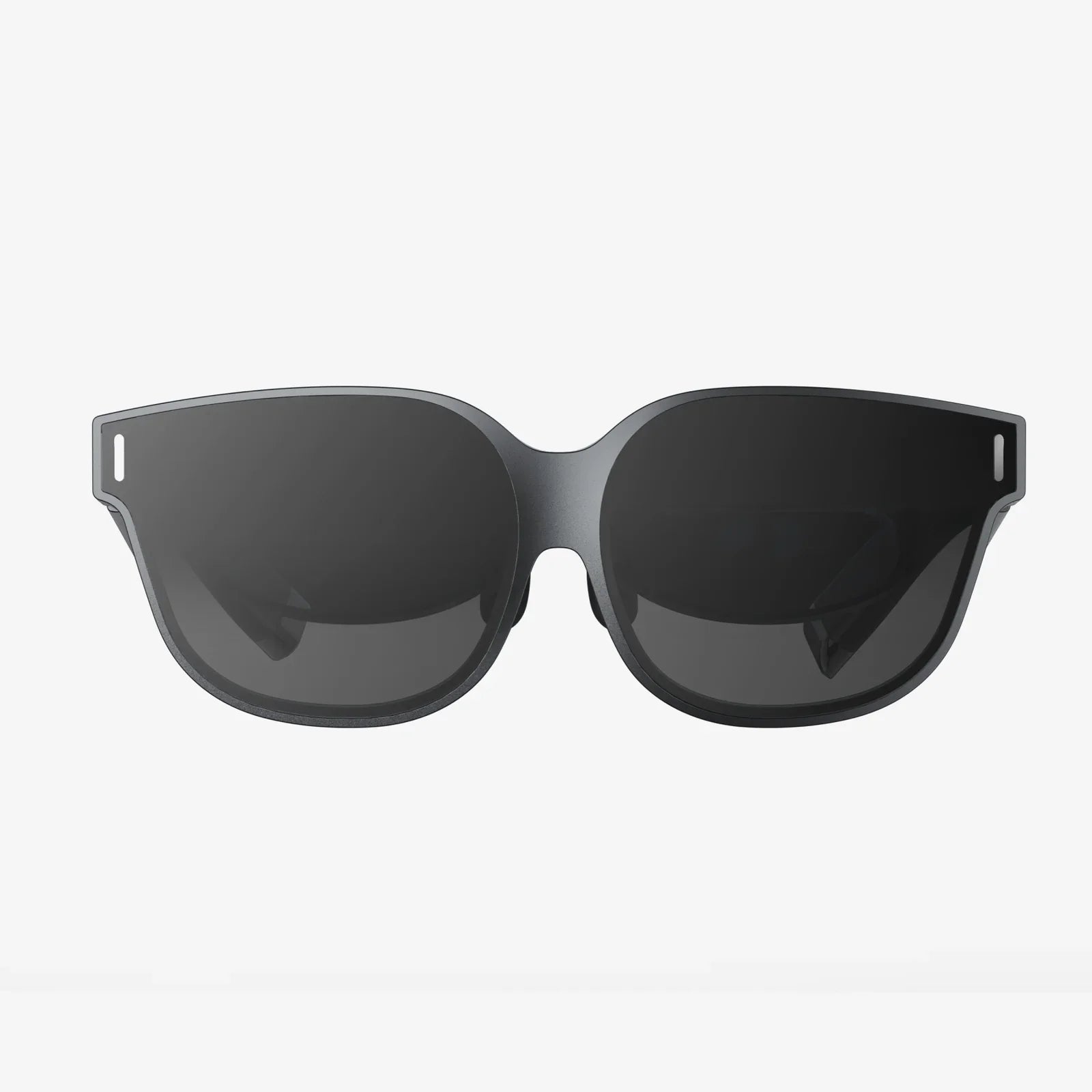
Imagine holding a portal to another universe in the palm of your hand. The world of virtual reality, once a fantastical concept confined to science fiction, is now astonishingly accessible, powered by the very device you likely use every day. The quest for the best phone VR headset is about more than just a piece of hardware; it's about finding the perfect key to unlock these boundless digital realms, transforming your smartphone into a gateway for breathtaking adventures, immersive learning, and unforgettable experiences. This isn't just about watching a screen; it's about stepping inside it. Ready to dive in?
The Allure of Mobile Virtual Reality
Unlike their more powerful, PC-tethered cousins, mobile VR headsets offer a unique proposition: convenience and accessibility. They leverage the sophisticated technology already embedded in modern smartphones—high-resolution displays, powerful processors, precise gyroscopes, and accelerometers—to create a surprisingly compelling VR experience without the need for external sensors or a high-end computer. This democratizes virtual reality, making it an affordable entry point for millions of curious users.
The magic lies in the simplicity. You slot your phone into a headset, wear it, and you're instantly transported. From the comfort of your living room, you can explore the Martian landscape, sit courtside at a major sporting event, or walk through a meticulously recreated ancient Egyptian tomb. The best phone VR headset acts as a comfortable, reliable vessel for these journeys, minimizing the barrier between you and the experience.
Deconstructing the Experience: Key Components of a Great Headset
Not all headsets are created equal. The "best" is ultimately subjective and depends on your individual needs, phone model, and budget. However, several critical factors universally define a high-quality mobile VR experience.
Optical Clarity and Field of View (FOV)
The lenses are the heart of the headset. Their primary job is to take the image on your phone's screen and warp it to fill your entire field of vision, creating a sense of depth and scale. High-quality, precision-ground lenses are essential for minimizing visual distortions, chromatic aberration (color fringing), and the dreaded "screen door effect" (where you can see the gaps between pixels).
A wide field of view is equally crucial. Measured in degrees, FOV determines how much of your vision is occupied by the virtual world. A narrow FOV can feel like looking through binoculars, constantly reminding you that you're in a headset. The best phone VR headsets maximize FOV, often reaching around 100 degrees or more, for a more immersive and believable experience.
Ergonomics and Comfort
Immersion shatters the moment you become acutely aware of a heavy, awkward, or poorly balanced device on your face. Comfort is paramount, especially for longer sessions. Key ergonomic considerations include:
- Weight Distribution: Does the headset feel front-heavy? The best designs use padded straps—often a three-point or halo style—to effectively distribute weight across your head rather than putting pressure on your nose and cheeks.
- Padding and Materials: Plush, breathable foam around the light-sealing faceplate is essential for comfort and hygiene, especially if multiple people will be using the headset.
- Adjustability: A good headset must accommodate a wide range of head sizes and interpupillary distances (IPD). IPD adjustment, either physical or software-based, allows you to align the lenses with your eyes for a clearer, more comfortable image.
Input and Interaction
How do you interact with the virtual world? Early mobile VR relied on a simple magnetic or capacitive button on the headset itself to provide basic input. Today, the best experiences often incorporate a separate wireless motion controller. These handheld devices, tracked by your phone's sensors, allow for intuitive pointing, grabbing, and manipulating virtual objects, vastly increasing the sense of presence and engagement. When evaluating a headset, consider the controller it comes with—its design, button layout, and battery life.
Build Quality and Compatibility
A headset should feel robust, not flimsy. It needs to securely hold your often-expensive smartphone without risk of it falling out. Furthermore, compatibility is a major factor. Some headsets are designed specifically for a limited range of phone models, ensuring a perfect fit for the screen and sensors. Others are more universal but may require careful adjustment. The best phone VR headset for you is one that is explicitly compatible with your specific smartphone's dimensions.
A Spectrum of Experiences: What Can You Actually Do?
The hardware is just the beginning. The true value of your headset is defined by the software and content available for it. The ecosystem is rich and diverse.
- Gaming: This is a massive draw. From simple rollercoaster simulators and puzzle games to more advanced titles like first-person shooters and atmospheric horror experiences, mobile VR gaming is incredibly varied. While not as complex as PC VR titles, many games offer deeply engaging and fun gameplay loops.
- 360-Degree Videos and Films: Platforms are filled with immersive content. You can dive with sharks, attend a music festival, or travel to remote parts of the world through stunning 360-degree videos. Narrative filmmakers are also experimenting with the medium, placing you directly inside the story.
- Social and Educational Apps: Applications allow you to meet friends in a virtual space, watch movies together on a giant screen, or even create 3D art. Educational apps can transport students inside the human body, onto the International Space Station, or back in time to historical events.
- Virtual Travel and Tourism: Many museums, national parks, and tourist destinations now offer VR tours. It's a powerful way to preview a vacation destination or explore a site you may never get to visit in person.
Navigating the Limitations
It's important to have realistic expectations. Mobile VR is a fantastic technology, but it operates within certain constraints.
Processing Power: Your phone is doing all the work, rendering two high-resolution images simultaneously (one for each eye). This is incredibly demanding and can lead to graphical simplicity compared to console or PC VR. Pushing the phone too hard can also cause it to overheat, potentially throttling performance.
Positional Tracking: Most standalone mobile headsets offer 3 Degrees of Freedom (3DoF)—meaning they track your head's rotation (pitch, yaw, roll) but not its movement through space. You can look around an environment but cannot lean in to examine an object or walk around. This is a significant immersion breaker compared to 6DoF systems found on higher-end hardware. Some advanced mobile setups can achieve 6DoF with additional external sensors, but this is not the norm.
Battery Life: VR is a battery-intensive application. Extended sessions will drain your phone's battery quickly, so it's wise to have a power bank nearby or ensure your phone is fully charged before embarking on a long VR session.
Choosing Your Portal: A Buyer's Considerations
Armed with this knowledge, how do you choose? Start by answering these questions:
- What is your primary use case? Are you a casual viewer of 360 videos, a dedicated mobile gamer, or an educator? Your answer will determine how much you should prioritize factors like controller quality and app ecosystem.
- What smartphone do you own? This is the most critical question. Check headset compatibility lists meticulously. The best experience often comes from a headset designed for your specific phone model.
- What is your budget? Prices range from very affordable basic viewers to more premium models with advanced features like built-in headphones, wider FOV, and better controllers. Set a realistic budget beforehand.
- Will you be sharing the experience? If multiple people in your household with different IPDs or glasses will be using the headset, prioritize models with robust IPD adjustment and enough space to accommodate spectacles comfortably (or look for models with optional corrective lens inserts).
The journey to finding the best phone VR headset is a personal one. It's about matching powerful, accessible technology with your sense of wonder. By focusing on the quality of the lenses, the comfort of the design, and the compatibility with your device, you can select a headset that doesn't just show you a new world—it makes you feel like you're truly there. The content libraries are vast and growing, offering endless opportunities for play, learning, and exploration. That universe in your pocket is waiting; all you need is the right window to look through.
Your smartphone is a powerhouse of potential, and the right headset is the catalyst that unleashes its most immersive capability. This isn't a distant future technology; it's here, it's affordable, and it's waiting to redefine your perception of entertainment and education. From the depths of the ocean to the far reaches of outer space, the most incredible journeys are now just a click away. Don't just watch the adventure—become part of it. The only question left is, what will you experience first?
Share:
How to Put VR Headset on TV: The Ultimate Guide to Sharing Your Virtual World
How to Charge a VR Headset: The Ultimate Guide to Power Management and Battery Longevity