


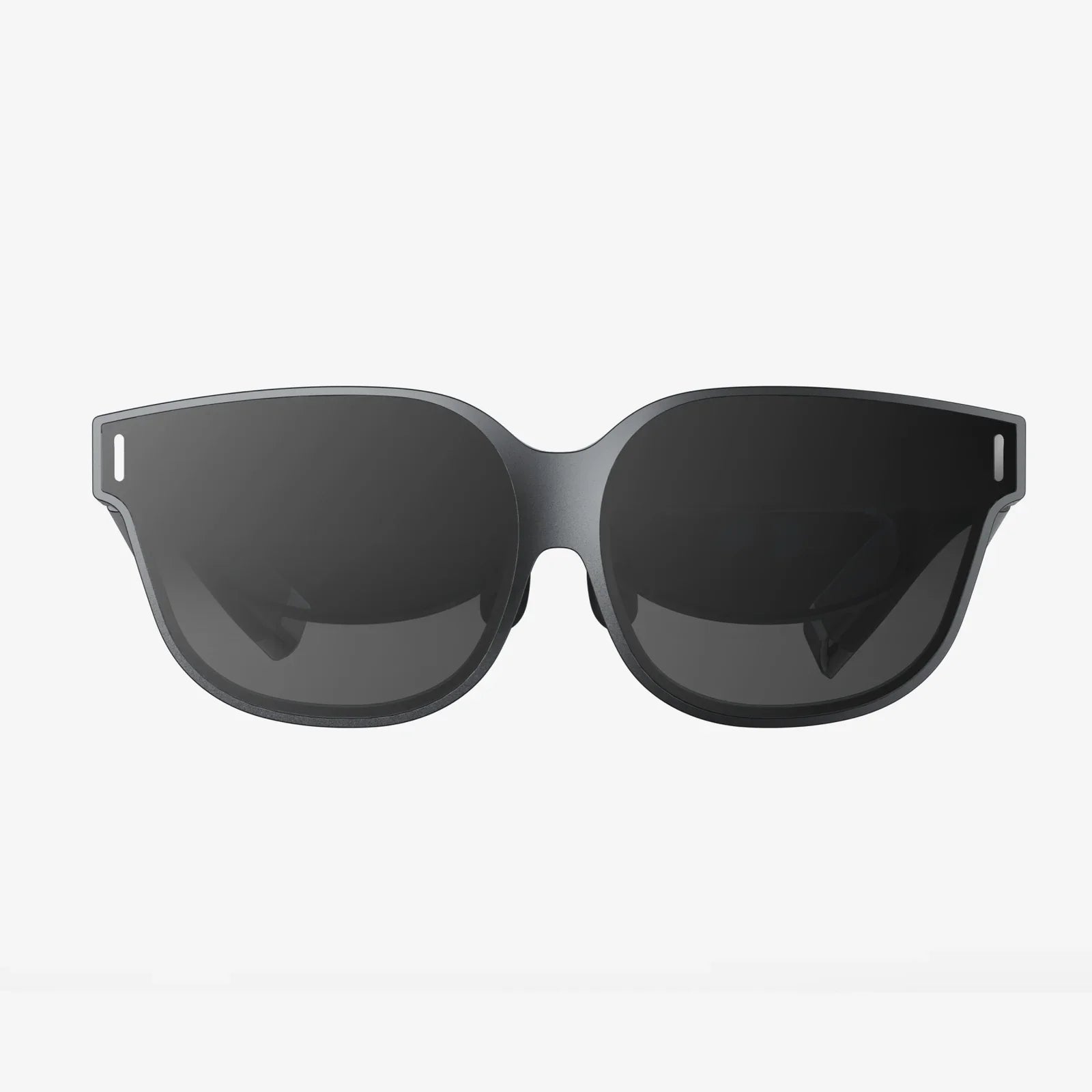
Imagine stepping into a boardroom halfway across the world, your digital avatar shaking hands with a colleague’s before collaboratively manipulating a 3D prototype, or attending a live concert from your living room, feeling the bass reverberate through your very being as you lock eyes with a friend’s virtual representation. This is the promise of virtual reality in 2025, a promise not delivered by a single piece of hardware but by powerful, interconnected software platforms that form the very bedrock of our digital future. The headset on your face is merely a window; the platform is the entire world it reveals. The race to build these foundational ecosystems is fiercer than ever, moving beyond simple game stores to create comprehensive environments for work, creativity, social connection, and commerce. Choosing the right platform is no longer about which has the most games; it’s about choosing your identity, your tools, and your community in the next iteration of the internet. The decisions made today will echo for decades, making the search for the best platforms for virtual reality support in 2025 a critical journey for every user and enterprise.
The Evolving Landscape: Beyond the Walled Garden
The concept of a VR platform has dramatically expanded. In the early days, a platform was often synonymous with a hardware manufacturer's closed storefront—a walled garden where content was locked to specific devices. 2025 marks a significant departure from this model. While proprietary ecosystems remain powerful, the defining trend is interoperability and cross-platform functionality. The best platforms now are those that enable seamless experiences across a mixed reality spectrum, from high-end tethered headsets to lightweight augmented reality glasses and even traditional flat screens. The focus has shifted from merely distributing applications to providing a suite of services: identity management, social frameworks, e-commerce engines, persistent cloud storage, and powerful creation tools. This evolution is driven by user demand for flexibility and the industry's recognition that for VR to achieve true mass adoption, it cannot be fragmented into incompatible silos.
The Enterprise Powerhouse: Productivity and Collaboration
For the corporate world, virtual reality has transcended the novelty stage to become a legitimate tool for accelerating business outcomes. The best enterprise-focused platforms in 2025 are characterized by their robust security, deep integration with existing IT infrastructure, and a strong emphasis on measurable ROI.
Key Features of Leading Enterprise Platforms:
- Enhanced Spatial Computing Suites: These are no simple meeting apps. They are comprehensive operating environments where teams can code on virtual screens, train for complex procedures on photorealistic digital twins of factory equipment, or conduct immersive design reviews with life-size 3D models. The ability to import and manipulate complex data sets in a shared 3D space is paramount.
- Unbreakable Security Protocols: Enterprise-grade end-to-end encryption, identity verification, and compliance with standards like GDPR and HIPAA are non-negotiable. Data generated within a VR session—from whiteboard brainstorms to prototype interactions—is treated with the same seriousness as data on a corporate server.
- Analytics and Performance Tracking: These platforms provide deep insights into how collaborative spaces are used, measuring engagement, tracking training proficiency, and providing data to optimize virtual workflows, proving the value of the investment to leadership.
- Device Agnosticism: A top platform allows employees to join critical meetings or access training modules from a range of approved devices, ensuring inclusivity and maximizing adoption without mandating a single hardware vendor.
The leading players in this space have moved beyond video conferencing avatars to create true virtual headquarters, reducing the need for physical travel and expensive physical prototypes while unlocking new forms of collaboration that are simply impossible on a 2D screen.
The Social and Creative Nexus: Building Worlds and Communities
On the opposite end of the spectrum lies the vibrant, user-generated world of social VR platforms. These ecosystems are the beating heart of VR's consumer adoption, places where people go not to work, but to play, create, attend events, and simply be with others. In 2025, the best social platforms are those that have successfully empowered their users to become creators.
Hallmarks of a Top-Tier Social Platform:
- Robust Creator Economies: The most successful platforms provide intuitive, in-VR creation tools and scripting systems that allow users to build everything from custom avatars and fashion items to elaborate interactive worlds and games. Crucially, they provide clear monetization pathways, allowing creators to earn real income from their virtual endeavors.
- Persistent User Identities: Your avatar, reputation, and inventory of digital goods are portable across experiences within the platform. This creates a continuous sense of self and investment in the virtual world, fostering stronger community ties.
- Live Event Integration: Platforms are competing to host major events, from music festivals and movie premieres to educational lectures and fitness classes. The ability to smoothly host thousands of concurrent users in a single instance with synchronized interactions is a key technical differentiator.
- Cross-Platform Accessibility: Recognizing that friends may have different hardware, the leading social worlds are accessible on desktop, mobile, and console, ensuring that communities are not fractured by device choice.
These platforms are less about curated content and more about providing the canvas and paints for users to express themselves. They are evolving into proto-metaverses, digital nations with their own cultures, economies, and social norms.
The Open-Source Challenger: Democratizing Development
A compelling and growing category in 2025 is the open-source VR platform. Built on principles of transparency, community-driven development, and freedom from corporate control, these platforms appeal to developers, researchers, and privacy-conscious users.
Why Open-Source is Gaining Traction:
- No Vendor Lock-In: Developers can build applications without fear of changing monetization policies or arbitrary storefront rules. Users are free to modify and customize their experience to an unparalleled degree.
- Interoperability by Design: Many open-source projects are built from the ground up to support open standards, making it easier to create experiences that can bridge different hardware and software ecosystems.
- Ideal for Research and Education: Universities and research institutions favor these platforms for their flexibility and the ability to peer under the hood, using them to drive innovation in human-computer interaction and spatial computing.
- Privacy-First Architecture: With no corporate entity relying on data harvesting for profit, these platforms can offer superior privacy protections, a feature becoming increasingly valuable to users.
While they may lack the polished sheen and massive marketing budgets of their corporate-backed rivals, open-source platforms are innovation hubs, often serving as the birthplace for features that later become industry standards. Their influence on the direction of VR is profound and often underestimated.
The Cloud-Streaming Vanguard: Power Without Constraints
One of the most significant barriers to high-end VR has been the need for expensive, powerful local computing hardware. Cloud-streaming platforms have emerged to shatter this barrier entirely. By rendering complex VR scenes on powerful remote servers and streaming the output to a headset, these services make cutting-edge VR experiences accessible on relatively lightweight, affordable devices.
The Cloud Advantage:
- Democratized Access: Users are no longer required to own a top-tier computer. A stable, high-speed internet connection becomes the primary requirement, opening up high-fidelity VR to a vastly larger audience.
- Infinite Scalability: The computational power available in the cloud is virtually limitless. This enables experiences of unprecedented complexity, with vast draw distances, incredibly high-poly counts, and advanced physics simulations that would cripple even the most powerful home PC.
- Seamless Updates and Persistent Worlds: The entire experience is maintained on the server side. Users always have access to the latest version without downloading multi-gigabyte updates, and developers can maintain massive, always-on persistent worlds more efficiently.
- Enhanced Security for Enterprise: For businesses, the IP and data never leave the secure data center, providing an added layer of protection for sensitive projects and simulations.
The success of these platforms hinges on the continued rollout of high-bandwidth, low-latency 5G and fiber networks. As global internet infrastructure improves, cloud-streaming is poised to become the dominant delivery mechanism for immersive content.
Choosing Your Foundation: Key Considerations for 2025
With these diverse options, selecting the right platform is a strategic decision. Here are the critical factors to weigh:
- Your Primary Use Case: Are you buying for an Fortune 500 company, developing the next hit game, or looking for a social hub? Align the platform's strengths with your goals.
- Hardware Compatibility: Ensure your chosen headset is fully supported. While cross-platform is the goal, some features may still be exclusive.
- The Health of the Ecosystem: Investigate the platform's developer community and content pipeline. A vibrant ecosystem with a steady stream of new experiences indicates a healthy, growing platform.
- Privacy and Data Policies: Scrutinize what data is collected and how it is used. Your behavior in VR is incredibly intimate data; trust is paramount.
- Long-Term Vision and Stability: Look for a platform with a clear, compelling roadmap. In a fast-moving industry, you want to invest in a ecosystem that will be around for the long haul.
The landscape is dynamic, with alliances forming and new technologies emerging monthly. The best strategy is often a hybrid one, engaging with multiple platforms to access the unique benefits each one offers.
The gateway to the metaverse isn't a single app or headset; it's the robust, versatile, and forward-thinking platforms that provide the rules, tools, and community for our digital lives. The choices available in 2025 offer unprecedented power and flexibility, from enterprise-grade collaboration suites that are redefining global business to open-source frameworks that put the power of creation directly into the hands of users. This is the year the foundational layers of the spatial web are being set, and the platforms you engage with will shape how you work, play, and connect for years to come. The virtual frontier is open for business, and the right platform is your key to claiming your piece of it.
Share:
How to Make Virtual Reality Goggles: A Comprehensive DIY Guide
Define Virtual Reality in Short: The Portal to New Worlds