


- by wangfred
Define Virtual Reality in Short: The Portal to New Worlds
- by wangfred
Imagine slipping on a headset and instantly being transported. The familiar confines of your room dissolve, replaced by the dizzying summit of a mountain, the bustling floor of a stock exchange, or the intricate landscape of a human cell. This is the immediate, visceral promise of virtual reality—a technology that doesn’t just show you another world but convinces your entire being that you are within it. To define virtual reality in short is to speak of the ultimate empathy machine, the final frontier of digital immersion, and a portal to experiences previously confined to the realms of dreams and science fiction. It is a simulated digital environment that replaces the user's real-world surroundings, creating a profound sense of presence and interaction.
At its heart, the definition of virtual reality hinges on two intertwined concepts: immersion and presence. Immersion is the technical aspect—the objective measure of how effectively a system shuts out the physical world and substitutes it with a synthetic one. This is achieved through a combination of hardware and software working in concert to engage our primary senses: sight, sound, and increasingly, touch.
Presence, however, is the subjective, psychological counterpart. It is the elusive, magical feeling of "being there." It's the moment your brain stops registering the pixels in a headset and instead accepts the digital vista as your reality. You don't just see the virtual canyon; you feel a sense of vertigo looking down. You don't just hear a virtual character speak; you instinctively turn your head to meet their gaze. Achieving presence is the paramount goal of VR design, and it is this feeling that separates a truly transformative virtual experience from a simple 3D movie.
Creating this illusion of reality is a complex technological ballet. It requires sophisticated hardware to create the stimuli and clever software to make it dynamic and responsive.
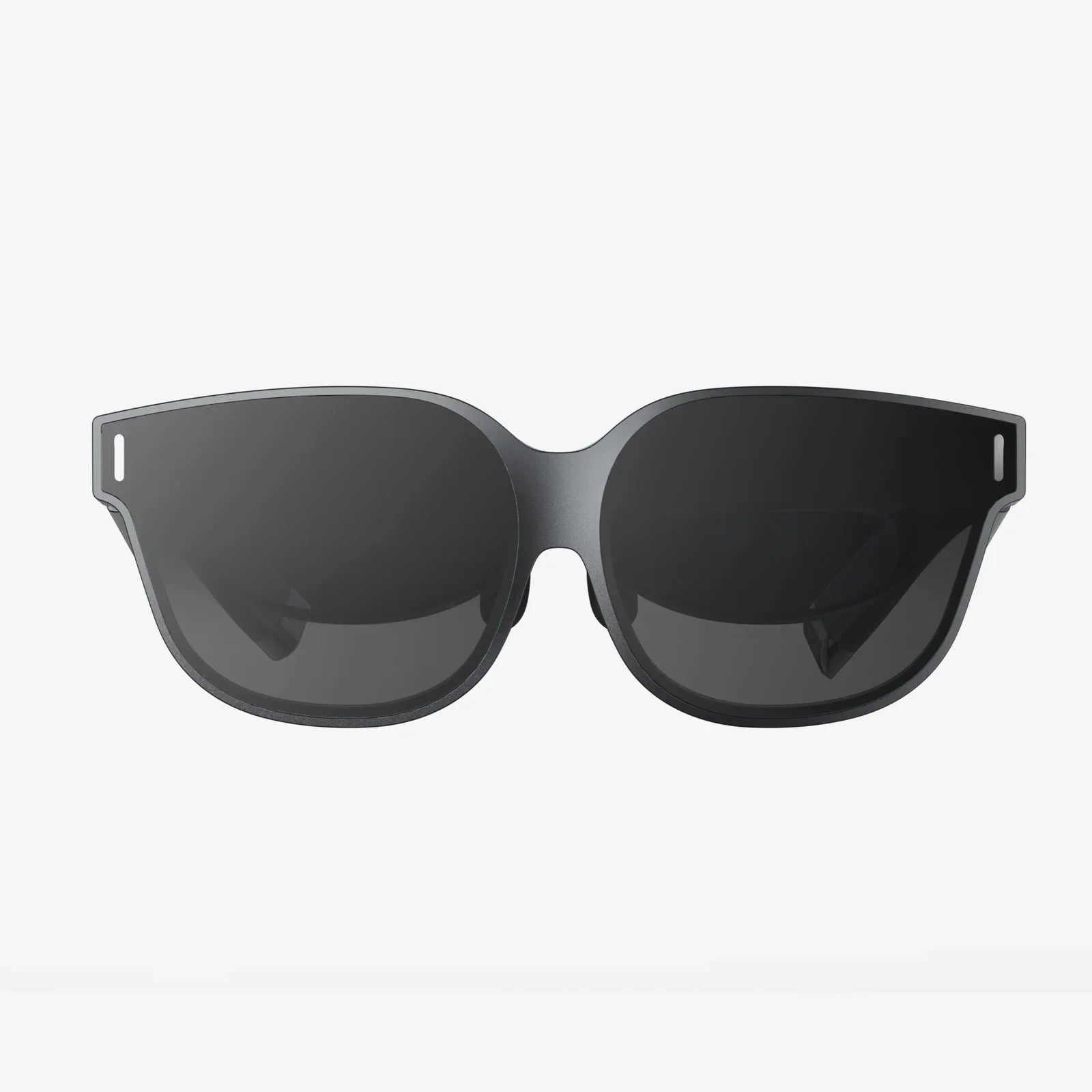
The most recognizable component of VR is the head-mounted display (HMD). These devices are essentially high-resolution screens housed in a wearable unit, positioned just inches from the user's eyes. However, a simple screen is not enough. Key technologies inside the HMD sell the illusion:
Sound is half the experience. VR employs 3D or spatial audio, which mimics how sound waves interact with the human head and ears. A sound originating from your virtual left will be slightly louder in your left ear and arrive a fraction of a second earlier. This allows you to locate objects and events in the 3D space without visual cues, dramatically enhancing realism. The rustle of leaves behind you or the faint whisper of a character to your right makes the world feel alive and cohesive.
To complete the illusion, VR incorporates touch. Handheld controllers are the standard, acting as virtual hands or tools. They track their own position and orientation, allowing you to reach out, grab, throw, and manipulate virtual objects. More advanced systems are pushing into haptic feedback—vibrations and resistance that simulate the feel of an object. From the subtle recoil of a virtual trigger to the rumble of a virtual engine, haptics provide crucial tactile confirmation of the digital world. Emerging technology like haptic gloves and full-body suits aim to deliver even more nuanced sensations, from the texture of a surface to the impact of a virtual rainstorm.
While gaming and entertainment are the most visible applications, the true power of VR lies in its utility as a transformative tool across diverse sectors.
VR offers unparalleled opportunities for experiential learning. Instead of reading about ancient Rome, history students can walk its forums. Medical students can practice complex surgical procedures on virtual patients, making mistakes without consequence. Astronauts, pilots, and surgeons all use high-fidelity VR simulators to train for high-stakes scenarios in a safe, controlled, and repeatable environment. This "learning by doing" in a risk-free space accelerates skill acquisition and improves retention.
The healthcare industry is embracing VR for both treatment and rehabilitation. It is used for exposure therapy, helping patients with phobias (like fear of heights or flying) confront their triggers in a gradual, controlled setting. It aids in physical rehabilitation by turning repetitive exercises into engaging games, motivating patients to complete their regimens. VR is also being used for pain management, distracting burn victims during wound care with immersive, calming environments that significantly reduce perceived pain levels.
For architects and engineers, VR is a revolutionary design tool. Rather than viewing a building through blueprints or a flat screen, they can step inside a full-scale, photorealistic model of their creation before a single brick is laid. This allows for unparalleled spatial understanding, enabling them to test sightlines, identify design flaws, and experience lighting at different times of day. Clients can take a virtual walkthrough, providing feedback on the design based on a true sense of the space, not just an imagination of it.
Social VR platforms are creating new venues for interaction. Friends and families separated by geography can meet in a virtual cinema, play games on a virtual beach, or simply converse as lifelike avatars in a shared digital space. For business, VR meetings offer a sense of co-presence that video calls cannot match. Teams can collaborate on 3D models, brainstorm in virtual boardrooms, and read body language, fostering a stronger sense of connection and improving the quality of remote collaboration.
Despite its promise, the path forward for VR is not without significant hurdles and profound ethical questions.
Issues like simulator sickness (a form of motion sickness caused by latency between physical movement and visual feedback), the high cost of high-end hardware, and the need for powerful computing systems remain barriers to mass adoption. The form factor of headsets also needs to become smaller, lighter, and wireless to achieve true convenience and comfort for prolonged use.
VR systems collect a staggering amount of intimate biometric and behavioral data. Beyond what you do, they can track where you look (gaze tracking), how you move, your physiological responses, and even your unconscious reactions. This data is incredibly valuable for improving experiences but poses a massive privacy risk if misused for targeted advertising, manipulation, or surveillance. Establishing clear ethical guidelines and robust data protection frameworks is paramount.
As experiences become more realistic, the potential for psychological effects grows. Prolonged immersion could lead to difficulties distinguishing between virtual and real memories or relationships. The concept of "VR addiction" is a real concern, where individuals may prefer a curated virtual existence to a complex real one. Furthermore, the ability to embody any avatar raises questions about identity, and the potential for hyper-realistic violent or traumatic experiences necessitates careful consideration of content regulation and user safety.
The current state of VR is merely the foundation. The future points towards even greater immersion through technologies like:
We stand at the threshold of a new dimension of human experience. To define virtual reality in short is to capture only a snapshot of a rapidly evolving medium that is reshaping how we learn, work, heal, and connect. It is a mirror reflecting our own reality back at us, a canvas for our imagination, and a tool of immense power. Its ultimate definition will not be written by technologists, but by humanity itself, as we choose how to wield this profound ability to step through the looking glass and sculpt the very nature of our experience.