


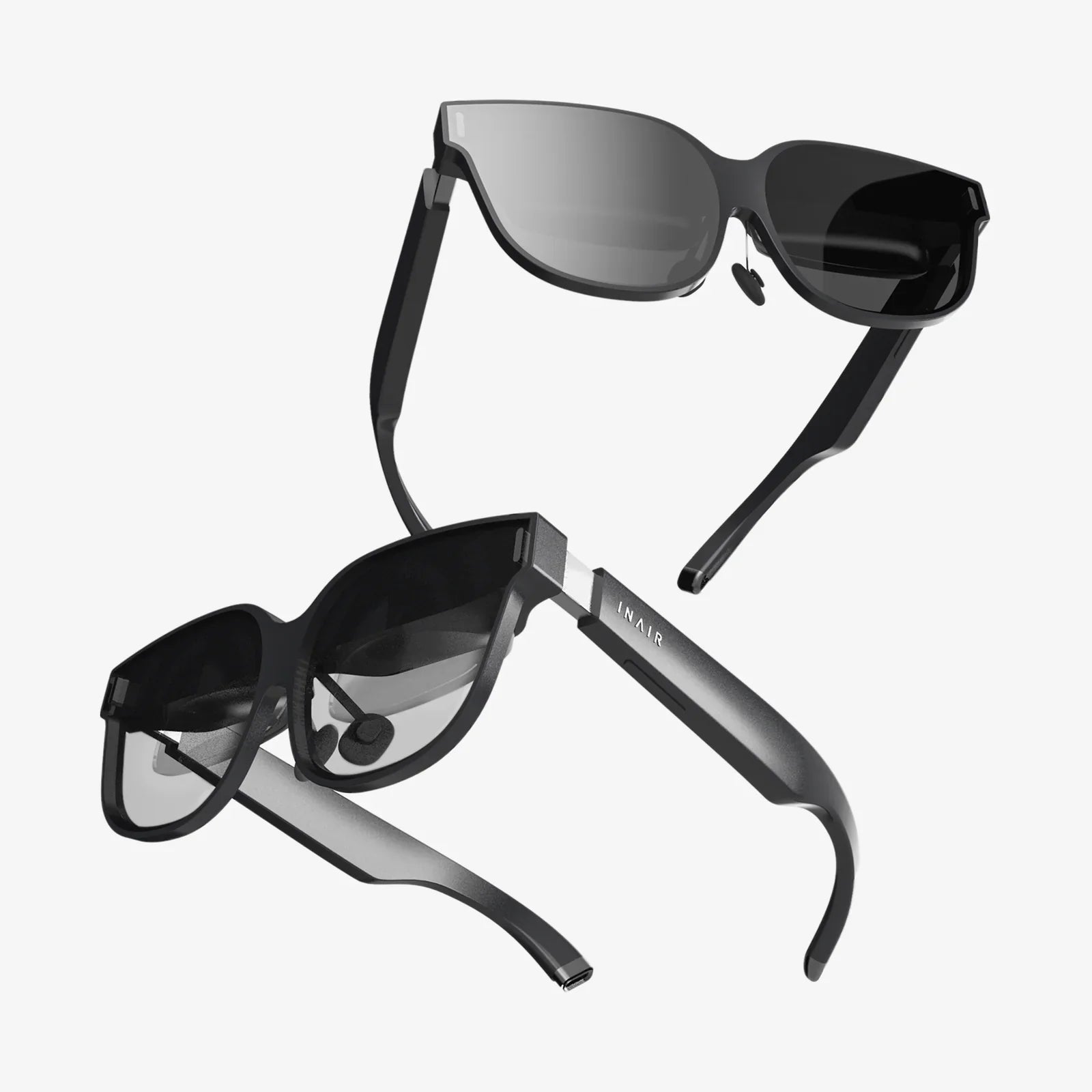
Imagine slipping on a headset and instantly being transported to a different world—scaling the peaks of Mount Everest, exploring the depths of the ocean, or even walking on the surface of Mars. This is no longer the stuff of science fiction; it's the breathtaking reality offered by today's best rated virtual reality systems. The quest for the ultimate immersive experience is driving a technological revolution, one that promises to reshape entertainment, education, and human connection. But what truly separates a good VR experience from a truly great one? The answer lies in a delicate alchemy of cutting-edge hardware, compelling software, and that elusive, magical feeling of true presence. This deep dive will explore the pillars that define the best rated virtual reality available today and peer into the horizon of what's coming next.
The Pillars of a Top-Tier VR Experience
Not all virtual reality is created equal. The chasm between a basic mobile-based headset and a high-fidelity, best rated virtual reality setup is vast. The most highly regarded systems are built upon several foundational pillars that work in concert to create a seamless and believable experience.
Visual Fidelity: The Window to Another World
The gateway to immersion is through the eyes. Best rated virtual reality headsets prioritize stunning visual clarity to trick the brain into accepting the digital world as real. This is measured by several key metrics:
- Resolution and Pixel Density (PPI): Early VR was often criticized for its "screen door effect," where users could see the faint lines between pixels. The best systems today feature high-resolution displays—often exceeding 4K per eye—that make this effect a relic of the past, rendering text sharp and environments richly detailed.
- Refresh Rate: Measured in Hertz (Hz), the refresh rate determines how smoothly motion is displayed. A higher refresh rate (90Hz, 120Hz, or even 144Hz) is crucial for comfort and realism, significantly reducing motion sickness and making virtual interactions feel instantaneous and natural.
- Field of View (FoV): A wide field of view is essential for peripheral immersion. While human vision is roughly 210 degrees horizontally, most headsets offer between 90 and 120 degrees. The best rated virtual reality systems are constantly pushing this number higher, making the virtual world feel less like looking through binoculars and more like being there.
- Lens Quality: Advanced lens systems, like Fresnel or pancake lenses, are used to focus the image correctly for the user's eyes, providing a sweet spot of clarity and reducing optical distortions like god rays and chromatic aberration.
Audio: The Unsung Hero of Immersion
While visuals grab the headlines, spatial audio is arguably just as critical for selling the illusion. Best rated virtual reality setups incorporate sophisticated 3D audio technology that mimics how sound behaves in the real world. When you hear a spaceship fly overhead in a game, the sound actually seems to come from above and behind you, changing dynamically as you turn your head. This auditory cue is a powerful trigger for presence, making environments feel alive and reactive.
Tracking and Controllers: Your Body in the Virtual Space
How you interact with the virtual world is paramount. There are two primary tracking methods:
- Inside-Out Tracking: Cameras on the headset itself track the environment and the controllers, eliminating the need for external sensors. This offers fantastic ease of setup and portability, making it a hallmark of many modern, best rated virtual reality systems.
- Outside-In Tracking: External base stations or sensors placed around the room provide extremely precise, low-latency tracking of the headset and controllers. This method is often favored by enthusiasts for its unparalleled accuracy, especially for competitive gaming and full-body tracking applications.
The controllers themselves have evolved from simple wands to sophisticated devices that can track individual finger movements. This allows for nuanced interactions—pointing, grabbing, waving, and even throwing with a level of realism that deepens the emotional connection to the experience.
Comfort and Design: Forgetting You're Wearing a Headset
The best technology is useless if it's uncomfortable to use. The best rated virtual reality systems are engineered for long-term wear. This involves a careful balance of weight distribution, breathable materials, and adjustable straps (often a rigid halo-style or flexible cloth design). A well-designed headset becomes an extension of the user, fading from consciousness and allowing them to fully engage with the virtual world without distraction.
Beyond the Hardware: The Software That Breathes Life into VR
Powerful hardware is merely a canvas; it is the software that paints the masterpiece. The ecosystem of experiences is what ultimately defines a platform's value and earns it a best rated virtual reality status.
Gaming: The Engine of Innovation
The gaming sector remains the primary driver of VR adoption. The best rated virtual reality games are not mere ports of flat-screen titles; they are built from the ground up to exploit the medium's unique strengths. They demand physical participation—ducking behind cover, swinging a sword, solving puzzles with your hands. This embodied gameplay creates a level of engagement and adrenaline that traditional gaming cannot match. From heart-pounding horror titles that feel terrifyingly real to intricate puzzle games that turn your living room into a giant escape room, VR gaming is a diverse and thrilling landscape.
Social VR: The New Town Square
Perhaps the most profound application of VR is its potential to revolutionize social connection. Social VR platforms allow users to inhabit shared virtual spaces as expressive avatars. You can attend a live concert with friends from across the globe, watch a movie together in a virtual cinema, or simply hang out and chat in an environment that feels more personal and present than a video call. This sense of "co-presence"—the feeling that you are truly with another person—is a game-changer for communication, remote work, and building communities.
Productivity and Creativity
The concept of the "infinite office" is becoming a reality. Best rated virtual reality systems are increasingly supporting multi-tasking and productivity applications. Imagine having multiple massive, virtual screens for coding or design work, free from the physical constraints of a desk. For artists and creators, VR offers entirely new mediums—sculpting in 3D space, painting with light, and designing architecture at human scale. These tools are unlocking new forms of creativity that were previously impossible.
Experiential Learning and Training
VR's ability to simulate any environment safely makes it an unparalleled tool for education and training. Medical students can practice complex surgeries without risk. History students can take a guided tour of ancient Rome. Mechanics can train on virtual engines, and astronauts can prepare for missions. This experiential learning leads to significantly higher retention rates and deeper understanding than traditional methods, democratizing access to experiences that were once too dangerous, expensive, or simply impossible.
The Ripple Effect: How VR is Changing Our World
The impact of high-quality VR extends far beyond entertainment. It is poised to disrupt numerous industries and change how we perceive digital information.
Therapeutic and Healthcare Applications
In healthcare, VR is proving to be a powerful therapeutic tool. It's used for exposure therapy to treat phobias and PTSD, allowing patients to confront triggers in a controlled, safe environment. It's also effective for pain management, distracting patients during painful procedures with immersive experiences, and for physical rehabilitation, turning repetitive exercises into engaging games.
Architectural Design and Real Estate
Architects and clients can now walk through a building long before the foundation is poured. This allows for better design decisions, early detection of potential issues, and a much clearer understanding of the final product. Similarly, real estate agents can offer virtual tours of properties, enabling potential buyers to explore homes from anywhere in the world.
Remote Collaboration and the Future of Work
The future of work is likely to be hybrid and remote. VR meeting spaces offer a compelling alternative to video conferencing, fostering a stronger sense of team cohesion and allowing for more natural collaboration on 3D models and data visualizations in a shared space.
Gazing into the Crystal Ball: The Future of Best Rated Virtual Reality
The technology is advancing at a breakneck pace. The next generation of best rated virtual reality is already on the horizon, promising to dissolve the remaining barriers between the real and the virtual.
Towards photorealism: Eye-Tracking and Foveated Rendering
A major challenge in VR is the immense processing power required to render photorealistic graphics at high frame rates. The solution is eye-tracking with foveated rendering. This technology tracks your pupils to determine exactly where you are looking and renders only the center of your vision in full detail, while subtly reducing the detail in your peripheral vision—much like the human eye itself. This drastically reduces the computational load, paving the way for vastly more complex and realistic worlds.
Haptic Feedback: The Sense of Touch
The next frontier is engaging the sense of touch. Advanced haptic gloves and suits are in development that can simulate the feeling of texture, weight, resistance, and even temperature. Imagine feeling the rough bark of a tree you touch in a virtual forest or the recoil of a virtual tool. This will be the final piece of the sensory puzzle, creating a truly full-body immersive experience.
The Path to Augmented Reality and the Metaverse
The lines between Virtual Reality (fully digital) and Augmented Reality (digital overlays on the real world) are beginning to blur. Future headsets are expected to be passthrough AR devices, capable of seamlessly blending high-resolution virtual objects into your physical environment. This convergence is the likely foundation for the much-discussed "metaverse"—a persistent network of interconnected virtual spaces that will become a new layer of reality for work, play, and socializing.
The journey to find the best rated virtual reality is about more than just specs on a sheet; it's a search for a deeper connection to digital worlds and to each other. As the technology continues its rapid evolution, becoming lighter, more powerful, and more intuitive, we are moving closer to a future where the line between our physical and digital lives becomes beautifully, and productively, blurred. The promise of VR is the promise of experience itself—unbounded by geography, limited only by imagination, and accessible to anyone willing to take the plunge and see what happens next.
Share:
2D to 3D Video Converter App: Transforming Your Flat Screen into a Dimensional Portal
What's AR Coating Glasses? The Ultimate Guide to Anti-Reflective Lenses