


Imagine a world where the boundaries between the digital and the physical dissolve, where you can scale Everest, explore the depths of the ocean, or design a skyscraper—all from your living room. This is the promise of virtual reality, a technological frontier that has exploded from science fiction into a tangible, awe-inspiring reality. But with so many options vying for your attention, how do you navigate the complex landscape to find the truly best rated virtual reality headset for your journey into the metaverse? The answer lies not in a single product, but in understanding the pillars of VR excellence that separate the extraordinary from the merely adequate.
The Pillars of VR Excellence: What Makes a Headset "Best Rated"?
Identifying the best rated virtual reality headset is not about finding a one-size-fits-all winner. Instead, it's about matching a device's capabilities to your desires and needs. The highest-rated devices consistently excel across several critical dimensions, creating a holistic and compelling user experience.
Visual Fidelity: The Window to Another World
The primary gateway to immersion is through your eyes. The quality of the display is paramount.
- Resolution and Pixels-Per-Degree (PPD): Raw resolution (e.g., 4K per eye) is less important than PPD, which measures how many pixels fit into one degree of your field of view. A higher PPD drastically reduces the "screen door effect," making the virtual world appear sharp and continuous rather than a grid of tiny dots.
- Lens Technology: Advanced lens systems, like pancake lenses, allow for a much clearer picture across the entire field of view with less distortion at the edges compared to older Fresnel lenses. They also enable headsets to be significantly thinner and lighter.
- Refresh Rate: Measured in Hertz (Hz), a higher refresh rate (90Hz, 120Hz, and now even 144Hz) ensures smooth motion, drastically reducing latency and the potential for motion sickness. It makes fast-paced games feel fluid and natural.
Tracking and Controllers: Your Hands in the Virtual Realm
How the headset translates your real-world movements into the digital space is fundamental to the feeling of presence.
- Inside-Out vs. External Tracking: Modern best rated virtual reality headsets predominantly use inside-out tracking, where cameras on the headset itself map the room and track the controllers. This eliminates the need for external base stations, making setup easier and more portable. The accuracy of this tracking is now exceptional.
- Controller Ergonomics and Haptics: The best controllers feel like a natural extension of your hands. They offer intuitive button placement, comfortable grips, and advanced haptic feedback that goes beyond a simple rumble to simulate the feeling of touching different surfaces, drawing a bowstring, or feeling the recoil of a virtual weapon.
Comfort and Design: Forgetting You're Wearing a Device
Immersion breaks the moment you become acutely aware of a heavy, awkward device strapped to your face. The best rated headsets are engineered for long-term comfort.
- Weight Distribution: It's not just about being light; it's about how the weight is balanced. A counterweight at the back of the headstrap can make a heavier headset feel much lighter than a poorly balanced, lighter one.
- Materials and Adjustability: Plush, breathable facial interfaces, customizable IPD (inter-pupillary distance) adjustments, and easily adjustable straps are hallmarks of a headset designed for everyone.
Content Library and Ecosystem: The Worlds You Can Explore
The most powerful headset is a paperweight without compelling software. A rich, diverse, and growing library of games, experiences, and productivity applications is a non-negotiable feature of any top-tier platform. This includes access to exclusive titles and a robust development community.
Decoding the Tiers: Finding Your Perfect VR Match
The VR market has matured into distinct tiers, each catering to different priorities, from uncompromising performance to accessible convenience.
Tier 1: The Uncompromising Powerhouse (PC-VR)
This tier is for the enthusiast who demands the absolute pinnacle of visual fidelity and performance. These headsets act as a display and sensor package for a powerful gaming computer, which does all the heavy graphical lifting.
Defining Characteristics:
- Target User: The hardcore gamer, simulation enthusiast (flight sims, racing sims), and professional developer.
- Performance: Access to the full power of a high-end GPU enables breathtaking graphics, complex physics, and vast, detailed worlds.
- Experience: Offers the most immersive and visually stunning experiences available in consumer VR.
- Considerations: Requires a significant additional investment in a capable gaming PC. The setup is typically more complex, often involving external sensors or base stations for the most precise tracking possible.
Headsets in this category are celebrated for their ultra-high-resolution displays, expansive field of view, and flawless tracking accuracy, making them a constant feature on any "best rated virtual reality headset" list for purists.
Tier 2: The Standalone All-Rounder
This category represents the most popular and accessible segment of the market. These devices are entirely self-contained, with a processor, battery, and displays all housed within the headset itself.
Defining Characteristics:
- Target User: The mainstream consumer, fitness user, social VR user, and anyone seeking a great balance of quality and convenience.
- Freedom and Convenience: The biggest advantage is complete wireless freedom. There are no wires to trip over, and you can easily take your headset to a friend's house or a different room.
- Performance: While not matching the raw power of a PC, the processors in modern standalone headsets deliver incredibly impressive performance, supporting complex and beautiful games.
- Ecosystem: These platforms often have the most robust and curated content libraries, backed by major tech companies.
The best rated virtual reality headset in this tier is often praised for its versatility, acting as a capable gaming console, a fitness device, a social portal, and even a productivity tool through features like augmented reality passthrough.
Tier 3: The Gateway Experience (Smartphone and Budget)
This tier is focused on low-cost, accessible entry into VR, often using a smartphone as the display and processor.
Defining Characteristics:
- Target User: The curious first-time user or someone with a very limited budget.
- Cost: The primary advantage is a very low entry price.
- Experience: Offers a basic taste of VR but is significantly limited by the power of the smartphone, the lack of positional tracking (you can't move around in space), and simpler controllers.
- Considerations: The experience is fundamentally less immersive and can be more prone to causing motion sickness due to higher latency.
While these devices serve a purpose, they are not generally considered when discussing the best rated virtual reality headset for a truly immersive and comfortable experience.
Beyond Gaming: The Expanding Universe of VR Applications
While gaming is the engine that drove VR's early adoption, the technology's utility has expanded dramatically.
- Fitness and Wellness: VR has become a phenomenal fitness tool. Dedicated apps offer intense cardio workouts, rhythm-based boxing, and guided meditation experiences, all while making exercise feel like play.
- Social Connection: Social VR platforms allow people to meet, talk, watch movies, play games, and attend events as customizable avatars, creating a powerful sense of shared presence that video calls cannot match.
- Productivity and Collaboration: With high-resolution passthrough cameras, modern headsets are becoming capable augmented reality machines. Imagine working with multiple virtual monitors from anywhere or collaborating with colleagues from around the world on a 3D model as if you were in the same room.
- Education and Training: From medical students practicing complex surgeries to mechanics learning to repair new engines, VR provides a safe, repeatable, and cost-effective training environment.
The Future is Clear: Where VR Technology is Headed Next
The pursuit of the perfect best rated virtual reality headset is a journey of constant innovation. The trends shaping the next generation of devices are already becoming clear.
- Mixed Reality (MR) and Passthrough AR: The line between virtual and augmented reality is blurring. High-resolution, color passthrough video is becoming standard, allowing users to blend digital objects seamlessly into their real environment. This is the key to making VR headsets all-day productivity devices.
- Eye and Face Tracking: Built-in eye-tracking enables foveated rendering, where the headset renders only the area you're directly looking at in full detail, massively improving performance. It also allows for more expressive avatars that mirror your real-eye movements and facial expressions.
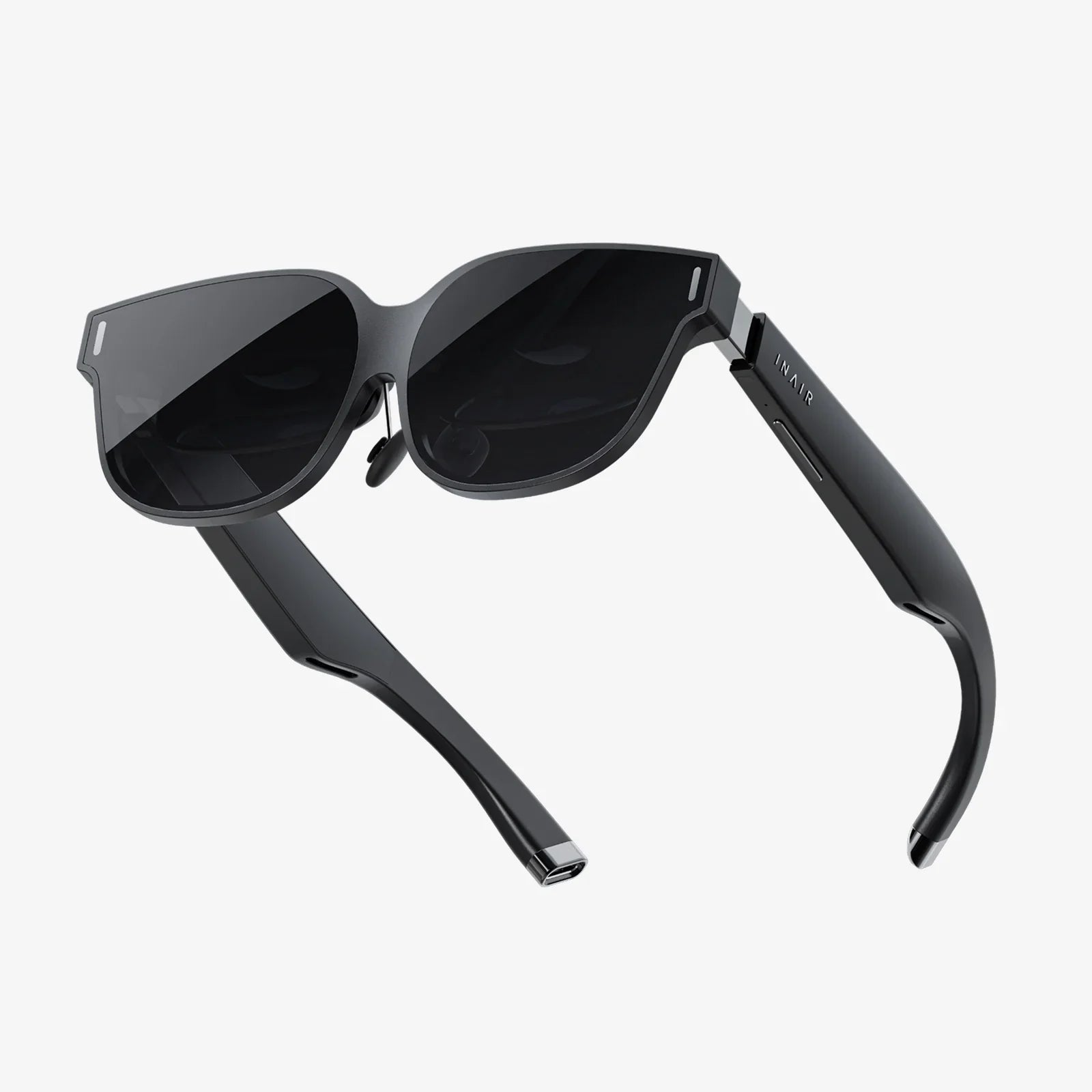
- Smaller Form Factors: The goal is to move from a face-mounted computer to something resembling a pair of sunglasses. Advances in optics and micro-displays are steadily driving this evolution.
- Haptic Feedback Suits and Gloves: The next frontier of immersion is engaging the rest of the body. Haptic vests and gloves are emerging to simulate touch, impact, and temperature, moving us closer to the full-body immersion of science fiction.
Your perfect portal to virtual worlds is out there, waiting to be discovered. It’s not about chasing a single spec sheet, but about identifying which combination of breathtaking visuals, effortless tracking, and all-day comfort will unlock the experiences you crave most. The journey to find your best rated virtual reality headset is the first step into a limitless new reality—your adventure begins the moment you decide to take it.
Share:
Smart Touch Sensor Technology: Revolutionizing Interaction in an Invisible World
Best Virtual Reality Headset for Adults: A 2024 Guide to Immersive Tech