


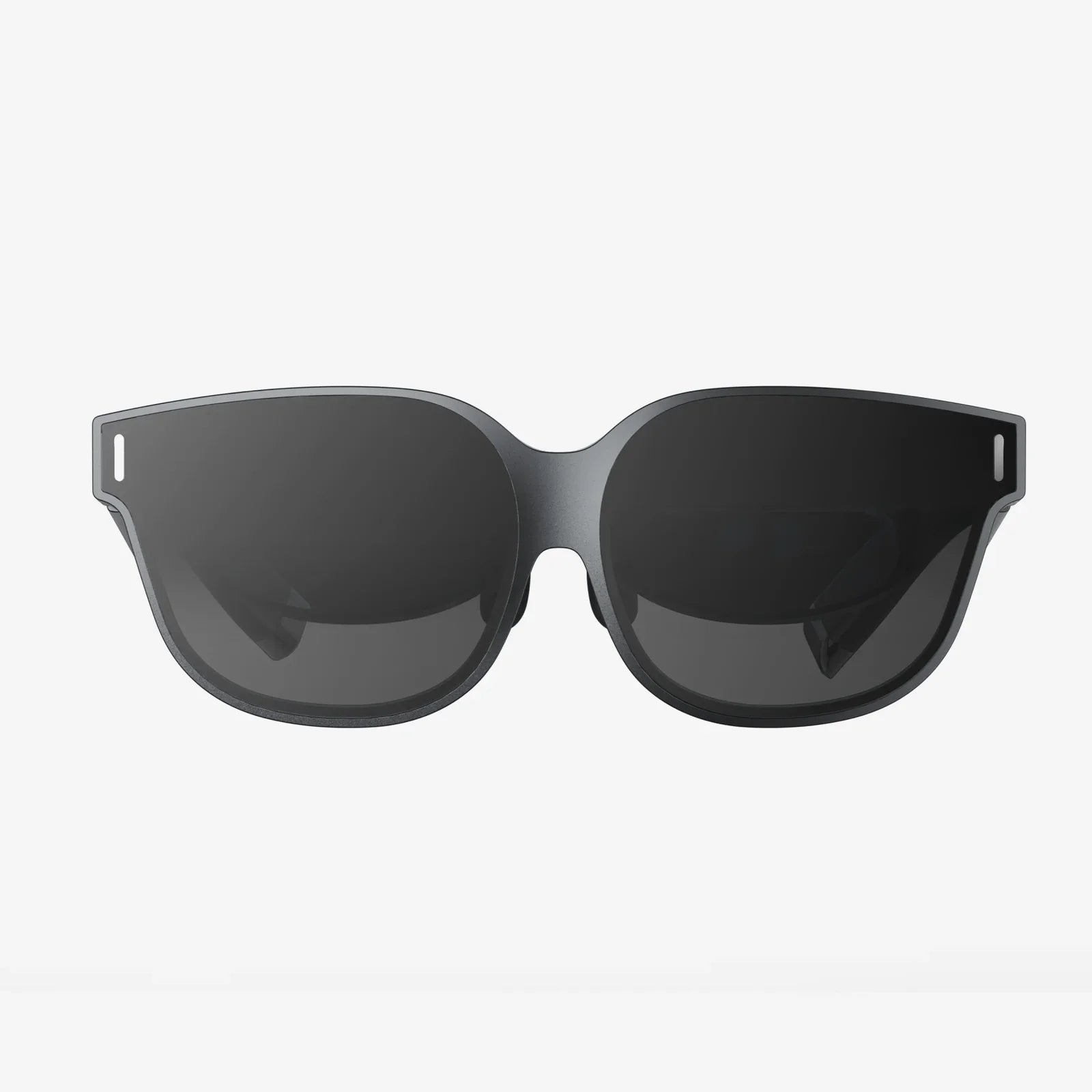
Imagine stepping through a portal into another world, feeling the sun on your face in a digital landscape, or standing on the surface of Mars. This is no longer the stuff of science fiction; it's the promise held within the best virtual headsets available today. These remarkable devices are the keys to unlocking experiences beyond the limits of our physical reality, offering unparalleled immersion, revolutionary new ways to work and create, and, of course, breathtaking entertainment. Choosing the right one isn't just about buying a gadget; it's about selecting your personal gateway to the next dimension of human-computer interaction.
The Core Technologies Powering Modern Virtual Reality
At the heart of every high-quality virtual reality headset lies a sophisticated blend of technologies working in concert to trick your senses and transport your mind. Understanding these core components is essential to appreciating what makes one headset stand out from another.
The most immediate technology is the visual display. Modern headsets utilize twin high-resolution LCD or OLED panels, one for each eye, to create a stereoscopic 3D image. Key specifications here include the resolution per eye, often exceeding 2K by 2K, which drastically reduces the "screen door effect"—that faint grid of lines between pixels that was common in earlier devices. Equally important is the refresh rate, measured in Hertz (Hz). A higher refresh rate, such as 90Hz, 120Hz, or even 144Hz, ensures smoother motion, which is critical for both visual fidelity and user comfort, helping to prevent motion sickness.
Complementing the display is the lens technology. Custom-fabricated Fresnel lenses are standard, designed with a series of concentric rings to focus the image across the entire field of view while keeping the headset relatively compact. The quality of these lenses affects edge-to-edge clarity, god rays (lens flare effects), and the sweet spot—the area where the image is perfectly in focus. The best headsets offer mechanisms for interpupillary distance (IPD) adjustment, both physical and software-based, allowing users to align the lenses with the precise distance between their pupils for a crystal-clear image.
Tracking: How Your World and the Virtual World Stay in Sync
For immersion to be believable, the virtual world must react to your movements with flawless precision and imperceptible latency. This is the domain of tracking systems, which come in two primary forms: inside-out and outside-in.
Inside-Out Tracking has become the dominant method for consumer devices. This system uses multiple wide-angle cameras embedded on the headset itself to observe the surrounding environment. By tracking the relative position of static objects in your room, the headset can triangulate its own position in 3D space without the need for external sensors. This makes for a tremendously convenient and portable setup. The controllers are tracked by the headset's cameras, which see the unique patterns of infrared LEDs on the controller rings.
Outside-In Tracking, while less common for mainstream consumer use, is revered for its pinpoint accuracy. This method uses external base stations or sensors placed around the play area. These units emit lasers or infrared light that sweeps across the room, which is detected by sensors on the headset and controllers to calculate their exact position and orientation. This system is often considered the gold standard for competitive gaming and professional applications where absolute positional accuracy is non-negotiable.
Advanced headsets are now incorporating additional sensors like eye-tracking cameras. This technology does more than just allow for expressive avatars; it enables foveated rendering. This revolutionary technique uses eye-tracking to determine exactly where you are looking on the virtual screen. The headset then renders the area in your direct foveal vision in ultra-high detail, while intelligently reducing the rendering quality in your peripheral vision. Since the human eye cannot perceive detail in the periphery, this results in a identical visual experience while dramatically reducing the computational load on the connected hardware.
Form Factor and Design: Tethered, Standalone, and Hybrid
The landscape of virtual headsets is broadly divided into three categories based on their design and how they are powered, each catering to different priorities and use cases.
Tethered Headsets are connected via a high-speed cable to a powerful external computer or games console. This connection provides a direct pipeline to immense processing power, enabling the highest possible graphical fidelity, the most complex virtual worlds, and the smoothest performance. They are the unequivocal choice for hardcore gamers and professionals in fields like architectural visualization and advanced simulation. The trade-off is a limitation on physical movement and the requirement of a significant investment in external hardware.
Standalone Headsets represent the most accessible and user-friendly segment. These are all-in-one devices with a mobile processor, memory, and battery全部 built into the headset itself. They require no external PC, phone, or cables, offering complete freedom of movement. While they were once considered underpowered, modern standalone devices boast impressive performance, capable of running a vast library of optimized games and experiences. They are the perfect entry point for newcomers and are ideal for social VR, media consumption, and lighter gaming.
Bridging these two worlds are Hybrid Headsets. These innovative devices primarily function as capable standalone units but can also be connected to a powerful PC via a high-bandwidth USB-C cable or wireless streaming. This offers the best of both worlds: the convenience and freedom of wireless standalone use for many applications, and the high-fidelity graphical power of a PC when desired. This flexibility makes them an incredibly popular and future-proof choice for a wide audience.
The Controllers: Your Hands in the Virtual World
The controllers are your primary interface with the digital realm, and their design is just as crucial as the headset itself. The best controllers go beyond simple joysticks and buttons; they strive for natural and intuitive interaction.
Modern standard is six degrees of freedom (6DoF) tracking, meaning the system tracks not just the rotation of your hands (pitch, yaw, roll) but also their precise position in space (X, Y, Z coordinates). This allows you to reach behind虚拟 objects, peek around corners, and make natural throwing motions.
The next evolution is hand-tracking and advanced haptic feedback. Some systems now allow you to ditch the controllers entirely, using onboard cameras to render your actual hands in the virtual world, enabling you to grab, push, and gesture naturally. Meanwhile, advanced haptics use precise vibrations and force feedback to simulate the feel of touching different surfaces, from the recoil of a virtual weapon to the subtle texture of a digital stone.
Defining the "Best" Headset: It Depends on You
The question of which headset is "best" has no single answer. The ideal choice is entirely dependent on your individual needs, budget, and intended use.
For the Hardcore Gamer and Enthusiast: The pinnacle of performance is found in tethered headsets. Prioritize specifications like the highest resolution panels, the widest field of view, the fastest refresh rates, and compatibility with the most accurate tracking systems available. Comfort for long sessions and a vast, high-quality library of content are also paramount.
For the Newcomer and Social User: Accessibility and ease of use are key. A standalone headset is almost always the best recommendation. Look for a device with a simple setup process, a intuitive interface, a strong focus on comfort, and a robust ecosystem of social apps, fitness programs, and casual games. A reasonable price point is also a major factor for this group.
For the Professional and Creator: The demands here are specific and rigorous. Beyond raw graphical power, features like ultra-high resolution displays for reading text, professional-grade software support, integrated eye-tracking for foveated rendering and user research, and best-in-class comfort for extended wear are critical differentiators. Reliability and precision are non-negotiable.
For the Versatile User Who Wants It All: The hybrid headset is your destination. This choice is about maximizing flexibility without significant compromise. You can enjoy the convenience of standalone mobility and the power of a PC connection, all within a single ecosystem. This is often considered the most future-proof option.
Beyond Gaming: The Expanding Universe of VR Applications
While gaming is the most famous application, the value of a high-quality virtual headset extends far beyond entertainment. These devices are revolutionizing numerous fields.
In education and training, VR offers safe, repeatable, and cost-effective simulations. Medical students can practice complex surgeries, mechanics can learn to repair intricate machinery, and employees can undergo safety training in hazardous virtual environments without any real-world risk.
The enterprise and design sectors use VR for collaborative meetings where participants from across the globe can interact with 3D models in real-time. Architects can walk clients through unbuilt homes, and engineers can spot potential design flaws long before physical prototypes are made.
In health and fitness, VR has spawned a new category of engaging exercise apps that make workouts fun. From rhythm games that feel like a dance party to boxing and meditation apps, VR is motivating people to be more active.
Finally, VR is a powerful medium for social connection and storytelling. Platforms exist where people can meet, attend virtual concerts, watch movies together in custom theaters, and simply hang out, regardless of physical distance. Filmmakers and artists are exploring immersive narratives that place you inside the story, creating empathy and experiences impossible in any other medium.
The journey to find your perfect portal is an exciting one. It requires honest reflection on what you truly want to experience and achieve. By weighing the intricate balance of visual clarity, tracking precision, design philosophy, and controller innovation, you can confidently select the device that doesn't just show you a new world—it makes you a part of it. The digital frontier has never been more accessible or more compelling, and your adventure is waiting to begin.
Share:
Affordable AR Headsets with High Resolution: The Future is Now and It's Clear
Best Video Sunglasses: The Ultimate Guide to Capturing Your Adventures