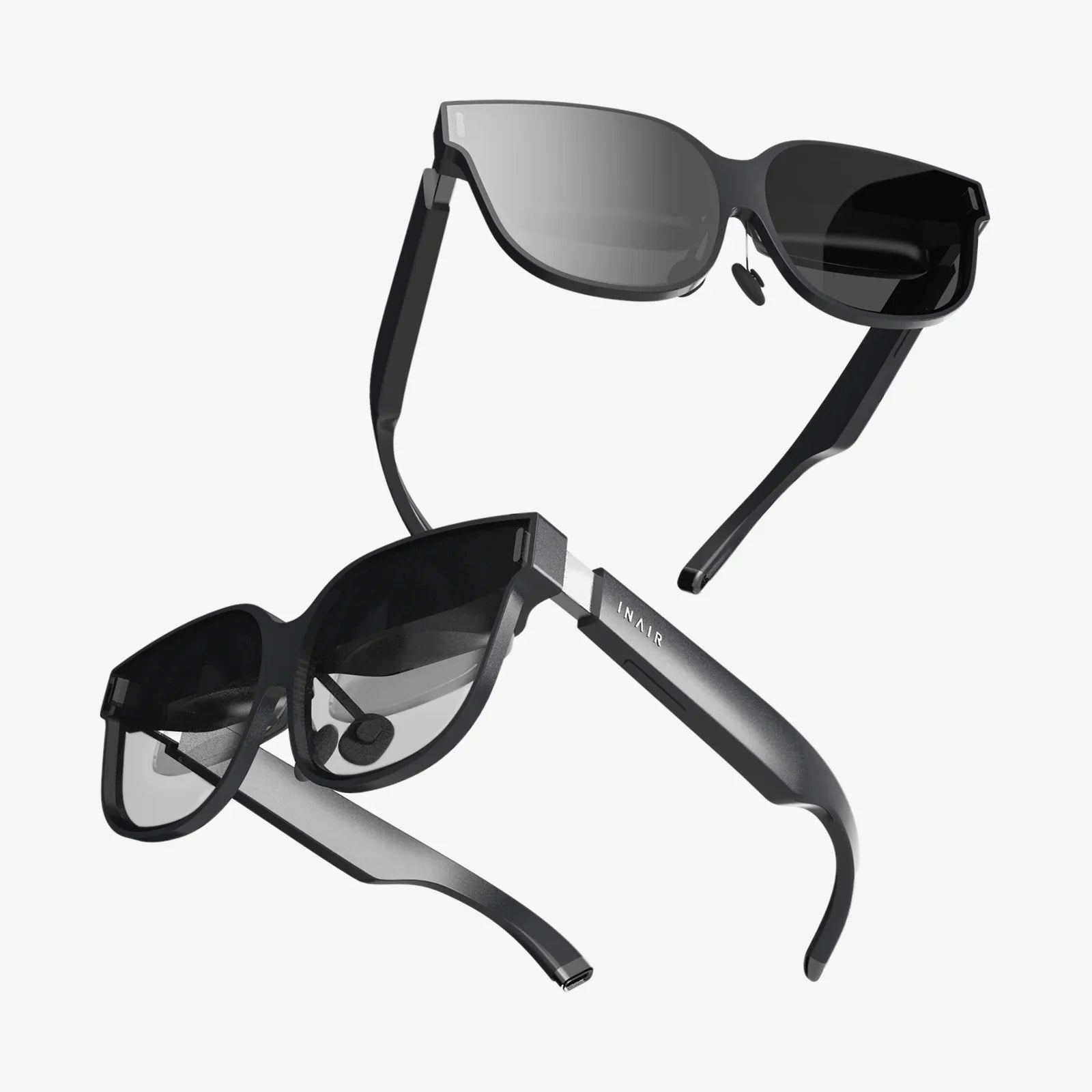
Imagine stepping through a portal into another world, a dimension where the only limit is the imagination. This is the promise of virtual reality, a technology that has evolved from science fiction fantasy into a powerful, accessible tool for entertainment, productivity, and connection. But with a rapidly expanding market, the quest to find the best virtual reality device can feel like a journey into the unknown. The right headset isn't a one-size-fits-all proposition; it's a deeply personal gateway, and choosing it requires navigating a landscape of specs, experiences, and technological trade-offs. This definitive guide will demystify that landscape, cutting through the hype to help you discover the ultimate immersive experience tailored specifically for you.
The Pillars of VR: What Truly Defines a Great Headset?
Before comparing specific categories, it's crucial to understand the core metrics that separate a good device from a truly best-in-class virtual reality device. These are the pillars upon which all immersive experiences are built.
Visual Fidelity: The Window to Another World
The quality of the display is arguably the most immediate factor in achieving presence—the feeling of actually being inside the virtual world. This is measured by several key components:
-
Resolution and Pixel Density (PPI): Higher resolutions, such as 4K+ per eye, drastically reduce the "screen door effect" (the visible grid between pixels), making the digital environment appear sharp and continuous.
-
Refresh Rate: Measured in Hertz (Hz), a higher refresh rate (90Hz, 120Hz, and now even 144Hz) results in smoother motion, reduces latency, and is critical for preventing motion sickness. It makes fast-paced action feel fluid and real.
-
Lens Technology: Advanced lenses, like pancake optics, allow for a sharper image across a wider portion of the lens (sweet spot), a thinner headset profile, and reduced god rays (lens flare effects).
-
Field of View (FoV): A wider FoV, measured in degrees, increases the peripheral immersion. While human vision is approximately 210 degrees horizontally, most headsets range from 90 to 120 degrees, with higher numbers offering a more encompassing experience.
Tracking and Controllers: Your Body in the Virtual Space
Precise tracking is what allows you to interact naturally with the virtual world. There are two primary methods:
-
Inside-Out Tracking: Cameras on the headset itself map the room and track the position of the controllers. This eliminates the need for external base stations, making setup easier and the system more portable. The best implementations offer near-flawless tracking.
-
Outside-In Tracking: External sensors or base stations placed around the room precisely track LEDs on the headset and controllers. This method is often considered the gold standard for absolute, millimeter-accurate tracking, especially critical for competitive gaming and professional applications, but at the cost of a more complex setup.
Equally important are the controllers themselves. The best ones are ergonomic, feel natural in the hand, and offer features like finger-tracking, haptic feedback (subtle vibrations), and capacitive touch sensors that detect individual finger placement.
Comfort and Design: Forgetting You're Wearing a Device
A device can have the best specs on paper, but if it's a pain to wear, it will gather dust. Comfort is a multi-faceted feature:
-
Weight Distribution: A well-balanced headset that doesn't put excessive pressure on the cheeks or bridge of the nose is essential for long sessions.
-
Head Strap: Elite-style straps with a rear counterweight are vastly superior to simple elastic bands, providing stability and comfort.
-
Materials and Ventilation: Lightweight materials and active or passive ventilation prevent the lenses from fogging up and keep the user cool during active experiences.
Audio: The Unseen Hand of Immersion
3D spatial audio is a game-changer. It uses advanced algorithms to simulate how sound behaves in a three-dimensional space, allowing you to hear exactly where an opponent is creeping up behind you or where a bird is chirping in a virtual forest. Built-in, directional speakers that don't cover the ears are becoming popular, as they allow for awareness of your real-world surroundings while still delivering immersive sound.
The Contenders: Breaking Down the Categories of VR
The market has settled into three distinct categories of headsets, each catering to different priorities, budgets, and use cases. Understanding these categories is the first step to finding your perfect match.
The Powerhouse: PC-Connected Virtual Reality
For the user who demands the absolute pinnacle of performance and visual fidelity, the PC-connected headset remains the undisputed champion. These devices act as a high-resolution display, leveraging the raw processing power of a powerful gaming computer to render incredibly complex, detailed, and beautiful worlds.
Who it's for: Hardcore gamers, simulation enthusiasts (flight, racing), VR developers, and professionals in fields like architecture and design who need maximum graphical power.
Key Advantages:
- Unmatched graphical performance and detail.
- Access to the largest and most graphically intensive library of VR content.
- Often feature the highest available resolutions, refresh rates, and field of view.
- Typically support the most advanced tracking systems for pinpoint accuracy.
Considerations:
- Requires a high-end, VR-ready gaming PC, representing a significant additional investment.
- Often the most complex setup with external sensors or base stations.
- Tethered by a cable, which can limit freedom of movement (though wireless adapter kits exist for some models).
The All-Rounder: Standalone Virtual Reality
This category represents the most significant growth in the VR market. Standalone headsets have all the necessary computing power, sensors, and batteries built directly into the headset. They are completely wireless and self-contained, offering unparalleled freedom and convenience.
Who it's for: The vast majority of users. Ideal for gamers who value wireless freedom, fitness users, families, social VR participants, and those new to the technology seeking a simple, all-in-one solution.
Key Advantages:
- Complete wireless freedom and portability; play anywhere within your guardian boundary.
- No expensive PC or console required; the cost of entry is the headset itself.
- Extremely simple setup; just put on the headset and define your play area.
- Often backed by large tech ecosystems, ensuring strong software support and exclusive titles.
Considerations:
- Graphical power is limited by mobile processors, so visuals cannot match a high-end PC.
- Battery life is finite, typically lasting 2-3 hours per charge, which can interrupt longer sessions.
- The processing and battery can make these headsets heavier than their tethered counterparts.
The Gateway: Console-Based and Mobile Virtual Reality
These are the most accessible forms of VR, leveraging hardware you likely already own.
-
Console VR: A specific headset designed to work with a particular video game console. It offers a fantastic middle ground, providing high-quality, optimized VR experiences powered by the console, without needing a gaming PC. It's a curated, plug-and-play experience.
-
Mobile VR ( largely deprecated ): This involved slotting a smartphone into a head-mounted holder. While it was an important stepping stone, this category has been almost entirely superseded by the superior performance and convenience of modern standalone headsets.
Who it's for: Gamers already invested in a specific console ecosystem who want a straightforward, high-quality VR upgrade.
Key Advantages (Console VR):
- Access to high-quality, exclusive first-party titles optimized for the hardware.
- Significantly more powerful than standalone VR, offering better visuals than mobile-based solutions.
- No need to invest in a gaming PC; the console is the computer.
Considerations (Console VR):
- Still tethered to the console by a cable.
- Library is limited to what is available on that platform.
- Requires ownership of the specific console.
Beyond Gaming: The Expanding Universe of VR Applications
While gaming is the most famous application, the value of the best virtual reality device extends far beyond it. The ability to create and inhabit digital spaces is revolutionizing numerous fields.
-
Fitness: VR has exploded as a fitness platform. Engaging apps offer boxing, rhythm games, dancing, and full-body workouts that are far more fun than staring at a wall in a gym, turning exercise into an adventure.
-
Social Connection: Social VR platforms allow you to meet with friends, family, and strangers as customizable avatars in virtual spaces. You can attend concerts, watch movies, play games, or simply hang out, creating a powerful sense of shared presence that video calls cannot match.
-
Productivity and Remote Work: Imagine having multiple virtual monitors in a serene, distraction-free environment. VR is being developed as the ultimate remote workspace, allowing for collaborative design reviews, virtual whiteboarding, and immersive training simulations for everything from surgery to heavy machinery operation.
-
Media Consumption: A personal theater with a screen the size of a skyscraper. VR is an incredible way to watch 2D, 3D, and 360-degree films, offering an immersive experience that no physical television can replicate.
Making Your Choice: A Guide to Your Personal VR Journey
So, how do you decide? Ask yourself these critical questions:
-
What is your budget? Factor in the total cost: the headset itself, any required PC hardware, and a budget for must-have software and accessories (like additional face covers or controller straps).
-
What is your primary use case? Are you a competitive gamer, a fitness enthusiast, a social butterfly, or a professional seeking a new tool? Your answer will point you strongly towards a specific category.
-
What existing hardware do you own? Do you have a powerful gaming PC? A specific game console? This will immediately narrow your options.
-
How important is convenience vs. performance? Are you willing to trade the hassle of a wire and external sensors for the highest possible fidelity? Or is the freedom of wireless movement your top priority?
-
What is your physical space like? Do you have a large, clear area for room-scale experiences, or will you be using VR primarily while seated or standing in one spot?
The search for the best virtual reality device is not about finding a single winner for everyone, but about uncovering the champion for you. It's a passport to concerts on Mars, a gym inside a fantasy world, a meeting room that defies geography, and stories where you are the protagonist. The technology has matured from a novel toy into a transformative platform, and its potential is only beginning to be unlocked. Your journey into the metaverse starts not with a question of which is best, but with a far more exciting one: what will you do when you get there?