


Imagine transforming the blank wall of your living room into a cinematic canvas, your office desk into an interactive data hub, or a classroom wall into a dynamic historical archive—all without a physical screen. This is the promise and the profound reality of virtual projection screen technology, a revolutionary leap in display systems that is quietly dismantling our traditional conceptions of space, immersion, and visual interaction. By leveraging advanced optical engines, sophisticated software algorithms, and sometimes even artificial intelligence, these systems create the perception of a high-fidelity screen where none physically exists, offering a glimpse into a future where our environments are as fluid and adaptable as our imaginations.
Beyond the Bezel: Defining the Virtual Projection Screen
At its core, a virtual projection screen is not an object but an experience. It is a designated area, typically on a flat surface, where a projection system—often ultra-short-throw to minimize shadows and interference—displays a controlled image. The "virtual" aspect is achieved through precision. Unlike a standard projector that simply throws light onto a wall, often resulting in washed-out colors, poor contrast, and distorted geometry, a virtual screen system actively defines and maintains the boundaries of the display.
This is accomplished through a combination of hardware and software. Specialized sensors, which can include time-of-flight cameras or infrared scanners, constantly map the projection surface and the surrounding environment. This real-time data is processed by an onboard computer that performs several critical functions in milliseconds:
- Auto-Focus and Keystone Correction: It dynamically adjusts the focus and perfectly corrects for any angular distortion, ensuring the image is always razor-sharp and perfectly rectangular, regardless of the projector's placement relative to the wall.
- Color and Brightness Optimization: The system analyzes the color and reflectivity of the surface itself. Is it a slightly off-white wall? A light beige ceiling? A wooden panel? It then compensates by adjusting the color output and luminosity in real-time to produce accurate, vibrant, and consistent colors as if projecting onto a perfect neutral-gray screen.
- Object and Obstruction Avoidance: If someone walks between the projector and the wall, or if an object like a piece of furniture intrudes into the projection field, the software can intelligently pause the projection or adjust the image to avoid projecting onto the interruption, maintaining a seamless viewing experience.
The result is a defined, bright, and high-contrast image that appears to be emitted from the wall itself, creating the illusion of a vast, floating screen without any physical frame or material.
The Technological Engine: How It Creates Something from Nothing
The magic of a virtual screen is woven from several interlocking technological threads. Understanding them reveals why this is more than just a fancy projector.
Advanced Optical Systems
The heart of the system is an ultra-short-throw (UST) optical engine. These projectors are designed to be placed mere inches from the display surface, casting a large image from a very close range. This proximity is crucial as it eliminates the issue of viewers casting shadows on the image, a common frustration with traditional long-throw projectors. The lenses in these systems are incredibly complex, often involving aspherical elements to manage the severe light bending required without introducing aberrations. Paired with high-output LED or laser light sources, they deliver the luminance needed to overcome ambient room light and the wide color gamuts necessary for a compelling visual experience.
Computer Vision and Environmental Sensing
This is the "brain" of the operation. Using a suite of sensors, the system performs an initial calibration upon setup, creating a detailed depth map of the room. It identifies the primary projection surface, notes its contours and imperfections, and registers any permanent fixtures or obstacles. This calibration is not a one-time event; many systems continuously monitor the environment to adapt to changes in ambient light conditions—like a sunrise through a window or a lamp being turned on—and adjust the image parameters accordingly to maintain optimal picture quality.
Sophisticated Image Processing Algorithms
The raw data from the sensors is meaningless without powerful software to interpret it. The algorithms running on these devices are feats of computational efficiency. They handle real-time geometric correction, ensuring straight lines remain straight even when projecting at an angle. They manage edge blending, creating a perfectly crisp border for the virtual screen. Furthermore, they deploy complex color science models to negate the tint of the wall. For instance, if the wall has a slight yellow hue, the algorithm will subtract the right amount of yellow from the projected image so that what reflects back to the viewer's eye is a pure white.
A World of Applications: Beyond the Home Theater
While the initial appeal for many lies in creating a majestic home cinema, the implications of virtual screen technology extend far beyond entertainment, seeping into the fabric of professional and educational fields.
Revolutionizing Home Entertainment and Smart Homes
In the living room, the benefits are immediately tangible. There is no massive black slab dominating the décor when not in use. The space retains its aesthetic integrity, with the screen appearing only when needed. The size is limited only by the wall space available, easily offering a 120-inch or larger display that would be prohibitively expensive and physically cumbersome as a traditional television. For gaming, the immersive, wall-filling experience coupled with minimal input lag on high-end models provides an unparalleled experience. Integrated with smart home systems, this virtual canvas can become a control center for the house, a digital art gallery, or a window to a live feed of a nature preserve.
Transforming Workspaces and Collaborative Environments
The corporate boardroom is being reimagined. Instead of a fixed display at one end of a table, a virtual screen system can turn the entire tabletop or a main wall into an interactive surface. During a video conference, the screen can appear. When the meeting is over, it vanishes, returning the room to a clean, professional state. Design teams can project 3D models onto a surface and walk around them. Data analysts can spread charts and graphs across a vast area, visualizing connections that would be lost on a standard monitor. The technology facilitates a more dynamic, flexible, and collaborative workflow, breaking down the rigid formalism of traditional presentation equipment.
Enhancing Educational and Museum Experiences
In education, engagement is currency. A virtual screen can turn any classroom wall into an interactive blackboard, a portal to the ancient pyramids, or a dynamic chart of the periodic table. History lessons can come alive with maps that change with the ebb and flow of empires. Science classes can project detailed anatomical models or complex physics simulations. In museums, the technology is a curator's dream. It allows for exhibits to be augmented with dynamic information, historical footage, or artistic visualizations projected directly onto walls or even three-dimensional artifacts, adding layers of context and narrative without the need for physical placards or obstructive monitor stands. It preserves the sanctity of the object while enriching the visitor's understanding.
Weighing the Virtual Against the Physical
No technology is without its trade-offs, and the virtual projection screen is no exception. When compared to high-end traditional televisions and physical projection screens, distinct advantages and challenges emerge.
Advantages:
- Space and Aesthetic Flexibility: The most significant benefit is the liberation of physical space and the preservation of room aesthetics. It offers a giant screen without the giant object.
- Size Scalability: The display size can often be adjusted within a range to suit different content or room layouts, a flexibility impossible with a fixed-panel TV.
- Eye Comfort: Projected light is reflected and diffuse, which many users find less straining on the eyes over long viewing periods compared to the direct light emission of televisions.
- Portability and Setup: While the projector itself is a device, it is far more portable than a 85-inch television. Setting up a viewing experience in different rooms or even different locations is feasible.
Challenges and Considerations:
- Ambient Light Control: While vastly improved over older projectors, performance can still be impacted by very bright, uncontrolled ambient light. A traditional TV will almost always win in a sun-drenched room.
- Surface Dependency: The quality of the experience is still somewhat tied to the quality of the projection surface. A deeply textured or unusually colored wall will challenge even the most advanced correction algorithms, though special (often subtle) paints can mitigate this.
- Cost of Entry: High-quality virtual screen projection systems represent a significant investment, often positioned in the premium segment of the display market.
- Audio Considerations: Unlike a television with integrated speakers, a projector requires a separate audio solution, which adds to the complexity and cost of the overall system.
The Next Dimension: The Future of Virtual Display Technology
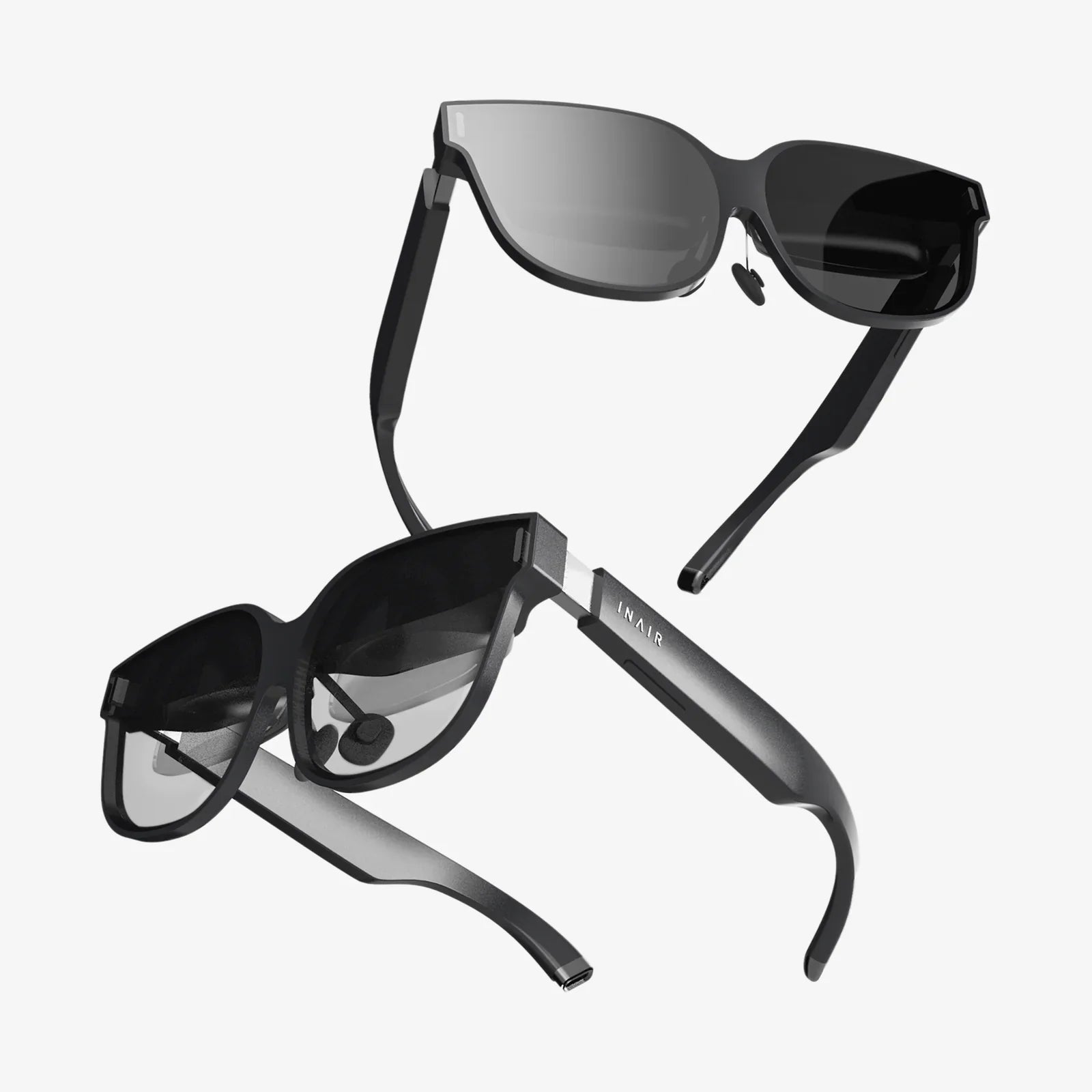
The evolution of the virtual screen is far from complete. We are standing on the precipice of even more transformative advancements. The next logical step is the move from two-dimensional screens to true volumetric displays, where images hang in space without any surface at all, using focused lasers to project light onto particles of fog or dust. Furthermore, the integration of Augmented Reality (AR) and Mixed Reality (MR) is imminent. Imagine smart glasses that can project a virtual screen onto any surface you look at, creating a private, portable cinema or workstation wherever you go.
Artificial intelligence will also play a deeper role, moving beyond simple correction to intelligent contextual awareness. A system could identify viewers in the room and adjust the content accordingly, or it could automatically resize and reposition informational widgets around a physical object on a desk. Haptic feedback technology could eventually allow these virtual screens to be "felt," adding a tactile dimension to the visual illusion. The boundary between the digital information we consume and the physical world we inhabit is becoming increasingly porous, and virtual projection screen technology is a powerful catalyst for this convergence.
We are rapidly moving towards a world where the display is no longer a thing we own, but a service we summon. The blank walls, empty tables, and clear skies around us are not empty space; they are untapped canvases awaiting our command. Virtual projection technology is the brush that will paint them with information, stories, and experiences, fundamentally altering our relationship with the digital realm and turning every environment into a potential window to another world. The era of the fixed screen is ending, and the age of the ambient display is dawning.
Share:
Digital Workplace Market Size 2025: A Deep Dive into the Future of Work
Best Virtual Reality Device: A Deep Dive into the Ultimate Immersive Experience