


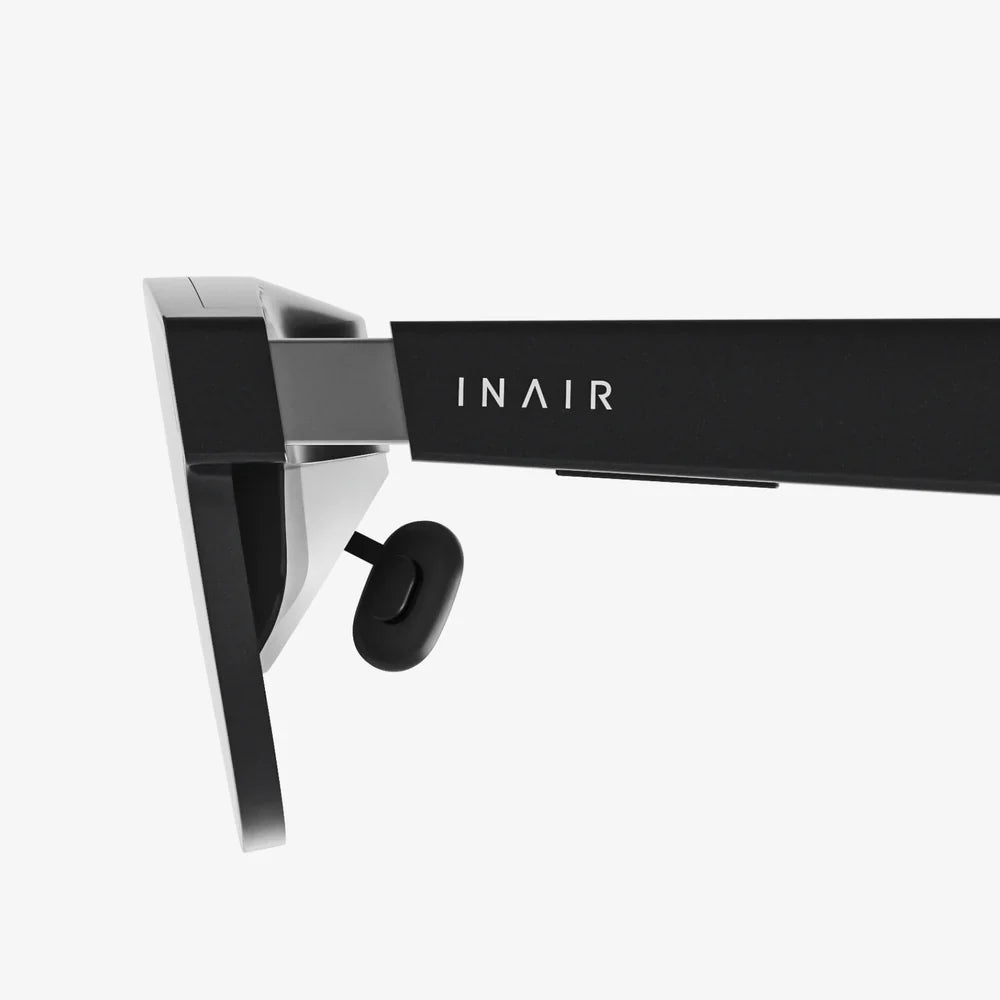
Imagine standing atop Machu Picchu at sunrise, feeling the awe as mist swirls through ancient ruins, then, moments later, diving the Great Barrier Reef without getting wet. This is the magic promised by the best virtual reality headset for virtual travel, a device that doesn’t just show you a place but makes you feel like you’re truly there. It’s the ultimate escape, a passport to anywhere on Earth—or beyond—without the cost of a plane ticket or the hassle of packing. The journey to finding your perfect digital travel companion starts here, guiding you through the specs, experiences, and sensations that separate a simple viewer from a genuine vehicle for wanderlust.
The Core of the Experience: What Truly Matters for a Traveler
For the aspiring virtual tourist, not all headsets are created equal. The specifications that matter most for a cinematic gaming experience are often different from those that create a convincing and comfortable travel simulation. The goal is presence—the undeniable sensation of being in another location. This is achieved through a combination of key technological factors.
First and foremost is display resolution and clarity. There is nothing more immersion-breaking than a pixelated view of the pyramids or a blurry representation of the Northern Lights. A high-resolution display, often measured in pixels-per-inch (PPI) or a total resolution per eye, is paramount. Look for terms like 4K or higher. Furthermore, the quality of the lenses plays a crucial role. Fresnel lenses are common, but newer pancake lenses offer a sharper image across a wider field of view with less distortion, especially around the edges. This optical clarity ensures that when you’re gazing at a distant mountain range or intricate architecture, the view is crisp and detailed, just as your eyes would see it in reality.
Equally important is the field of view (FOV). Measured in degrees, the FOV determines how much of the virtual world you can see at any given moment. A narrow FOV can feel like looking through a pair of binoculars, constantly reminding you that you’re wearing a headset. A wider FOV, ideally 100 degrees or more, fills your peripheral vision, enhancing the feeling of actually being present in the environment. It’s the difference between watching a scene and stepping into it.
Untethered Freedom vs. Graphical Fidelity
This is one of the fundamental choices in the current VR landscape. Do you opt for a standalone headset, which has all the necessary computing power built-in and operates completely wirelessly, or a tethered headset that connects to a powerful external computer?
For virtual travel, the argument for a standalone device is incredibly strong. The freedom to spin 360 degrees, crouch down to look at a virtual flower, or even walk around a small virtual space without worrying about tripping over a cable is a huge benefit to immersion. It mimics the freedom of movement we have when actually exploring a new destination. Standalone headsets have seen dramatic improvements in processing power, capable of delivering highly detailed and smooth experiences. They are also incredibly convenient; you can pick them up and be exploring the streets of Tokyo within seconds, with no complex setup required.
Tethered headsets, on the other hand, leverage the immense graphical power of a high-end computer. This can result in the absolute highest possible visual fidelity, with more complex lighting, sharper textures, and more detailed environments. For travel experiences created with high-polygon-count 3D models or ultra-high-resolution 360-degree video, a tethered headset can provide an unparalleled level of realism. The trade-off, of course, is the physical tether, which can constantly remind you of your real-world confines and limit your physical movement.
Comfort: The Forgotten Spec
You can have the most technologically advanced headset in the world, but if it’s uncomfortable to wear for more than ten minutes, it’s useless for a lengthy virtual tour of the Louvre. Comfort is a feature, and it’s critical for travel applications. Consider the weight distribution. A front-heavy device will strain your neck and cheeks. Look for designs that use a counter-balancing strap around the back of the head to distribute weight evenly.
The materials matter too. Soft, breathable face gaskets that can be washed or replaced are essential, especially if multiple people will be using the headset to travel. Adjustability is key; the headset should accommodate different head sizes and interpupillary distances (IPD) to ensure a clear image for every user. A good fit isn’t just about comfort; it also ensures the image is as sharp as possible. For the virtual traveler, comfort means you can forget about the hardware on your face and focus entirely on the destination you’re visiting.
Sound: The Hidden Half of Immersion
Visuals are only part of the story. Spatial audio, or 3D audio, is what completes the illusion of presence. When you turn your head in a virtual Roman piazza, the sound of the fountain should subtly shift from one ear to the other, just as it would in real life. The chatter of crowds should feel like it’s coming from specific points around you. High-quality built-in speakers that don’t cover the ears are often preferred, as they allow you to remain aware of your immediate surroundings (like a spouse asking a question) while still delivering immersive sound. For deeper immersion, a good pair of headphones that support spatial audio can fully envelop you in the soundscape of your chosen destination, from the gentle lapping of waves on a beach to the reverberating echoes in a grand cathedral.
The Content Library: Your Travel Catalog
The best headset is useless without great software. The platform and ecosystem it connects to are just as important as the hardware. You are, in effect, also choosing a travel agency. Investigate the available apps and stores. Are there dedicated travel platforms offering a wide range of experiences? Look for these key types of content:
- 360-Degree Videos: These are filmed with special cameras and allow you to look in any direction. The quality can vary dramatically, from blurry and nauseating to stunning 8K or higher resolutions that are breathtakingly real.
- Volumetric or 3D Experiences: These are often computer-generated environments that you can freely move through. They offer interactivity, allowing you to pick up objects, open doors, or trigger information points, much like a real tourist.
- Social Travel Platforms: Some apps allow you to meet up with friends or guides in a virtual space and explore a destination together, adding a wonderful social dimension to the experience.
A robust ecosystem will offer thousands of destinations, constantly updated with new tours, and experiences of consistently high quality.
Beyond the Hype: Practical Considerations
Before you purchase your portal to the world, consider a few practicalities. Battery life is crucial for a standalone device. How long does a single charge last? A two-hour battery is fine for short sessions but will interrupt a lengthy exploration. Some headsets allow for external battery packs, effectively offering unlimited power. Also, consider the user interface. Is it easy to navigate between destinations and apps? A clunky menu system can pull you out of the experience. Finally, think about the future. Some devices are evolving into mixed reality (MR) headsets, which use passthrough cameras to blend the real world with the virtual. This could open up incredible new travel applications, like overlaying historical information onto your real-world surroundings or taking a virtual guide with you on an actual trip.
The Future is Now
The technology behind virtual travel is advancing at a breakneck pace. We are moving from passive 360-degree videos to fully realized, interactive digital twins of famous locations. Advances in haptic feedback, from simple rumble in the controllers to full vests and gloves, will soon allow us to feel the virtual sun on our skin or the rumble of a virtual subway. The line between physical and digital travel will continue to blur, offering new ways to learn, explore, and satisfy our innate human curiosity about the world.
Your armchair is waiting to become a cockpit for the planet. The best virtual reality headset for virtual travel is the one that disappears on your face, letting your mind believe it has been transported across continents and through time. It’s not about the raw processing power or the highest possible frame rate in the latest game; it’s about the emotional response it elicits—the gasp when you first see Earth from the International Space Station, the peace of a solitary Japanese garden, or the exhilaration of a virtual helicopter tour over a vast canyon. That feeling is the final, and most important, specification. Your next great adventure is closer than you think, waiting just beyond the lenses of the right headset.
Share:
Hands Free Virtual Reality: The Next Evolutionary Leap in Immersive Technology
AI Meeting Tools: The Complete Guide to Revolutionizing Collaboration