


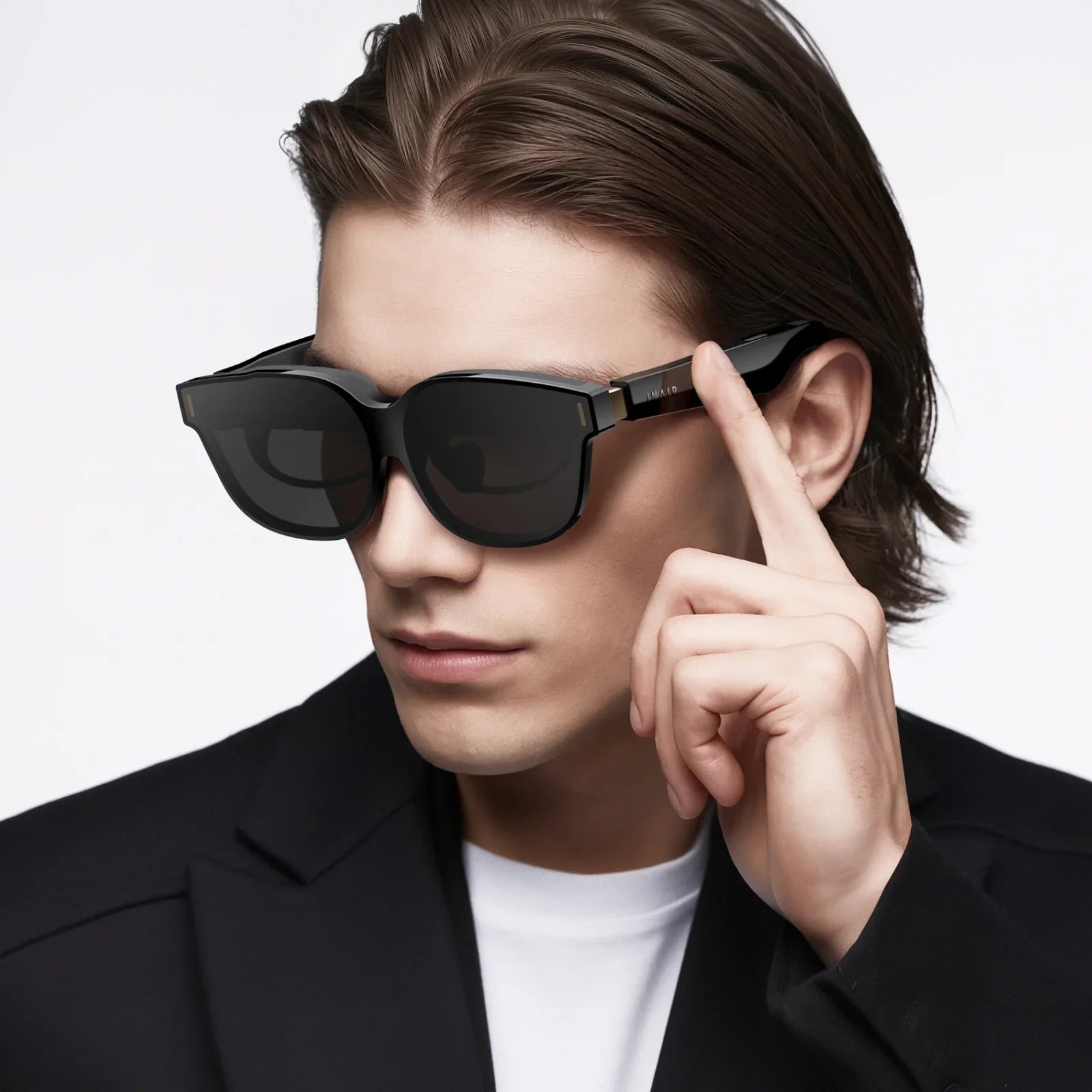
Imagine stepping into a world limited only by imagination, where the boundaries between digital and physical dissolve into pure experience. This is the promise held within the sleek, sophisticated frames of modern virtual reality eyewear, a quantum leap from the clunky prototypes of yesterday. The next generation has arrived, and it’s redefining everything we thought possible.
The Evolutionary Leap: From Novelty to Necessity
The journey of virtual reality technology reads like a classic story of rapid innovation. The initial wave of consumer devices, often referred to as VR 1.0, was groundbreaking yet burdened by its own ambition. Users encountered a landscape of tethered headsets, constrained movement, screen-door effects that marred the visuals, and a general lack of compelling software that moved beyond tech demos. It was a thrilling proof of concept, but it hadn't yet matured into a seamless product.
The current era, what we are calling the second generation or VR 2.0, represents a fundamental shift. This isn't merely an incremental update with slightly faster processors. It is a holistic reimagining of the entire user experience. The focus has moved from raw technical capability to refined user comfort, from isolated experiences to connected ecosystems, and from graphical fidelity to genuine immersion. The best of these new devices feel less like a piece of computer hardware and more like a portal.
Hallmarks of a True Next-Generation Experience
So, what exactly separates a cutting-edge device from its predecessors? Several key characteristics define the pinnacle of this new wave of technology.
Visual Fidelity That Tricks the Mind
The single most important upgrade in any visual device is the quality of the display. VR 2.0 addresses the historical shortcomings with stunning success. High-resolution displays, often exceeding 4K per eye, have effectively eliminated the screen-door effect, where users could see the fine lines between pixels. This creates a seamless, crisp image that is crucial for believing in the virtual world.
Furthermore, advancements in lens technology, such as pancake lenses, have allowed for a much slimmer and lighter form factor without sacrificing optical quality. These lenses provide a larger "sweet spot"—the area where the image is perfectly clear—reducing the need for constant adjustment and making the experience more accessible. Combined with high dynamic range (HDR) capabilities and wide color gamuts, the visual presentation is now rich, vibrant, and breathtakingly real.
The Freedom of Untethered Design
A physical cable linking a user to a powerful computer was the anchor that held back true freedom in early VR. The best modern devices are either completely standalone, with all processing power contained within the headset itself, or they utilize sophisticated wireless streaming technology to connect to a nearby source. This untethered freedom is transformative. Users can turn, spin, crouch, and move without a second thought, fully committing to the virtual environment without the subconscious fear of tripping over a wire. This is arguably the most significant step toward genuine immersion.
Intuitive and Expressive Controllers
Input has evolved from simple wand-like controllers to sophisticated instruments that can track the nuanced movement of every finger. Advanced inside-out tracking uses multiple embedded cameras on the headset itself to map the physical environment and track the controllers within it, eliminating the need for external base stations. This not only simplifies setup but also makes the technology more portable.
Some systems are pushing the boundaries further with hand-tracking technology, allowing users to interact with the virtual world using their bare hands. The ability to see a digital replica of your own hands, making a fist, pointing, or giving a thumbs-up, creates an unparalleled level of presence and intuitive interaction.
Advanced Sensory Integration
Immersion is a multi-sensory experience. The latest devices are beginning to incorporate more advanced feedback systems. This goes beyond simple controller rumble to include features like eye-tracking and facial expression capture. Eye-tracking allows for foveated rendering, a technique where the system renders the area you are directly looking at in high detail while subtly reducing the detail in your peripheral vision, a massive efficiency gain that allows for better graphics without requiring exponentially more processing power.
Navigating the Ecosystem: Content and Connectivity
A device is only as good as the experiences it enables. The software ecosystem surrounding VR 2.0 has exploded in both quantity and quality. Users are no longer limited to short demos and tech experiments. The library now includes deeply engaging AAA games, incredibly detailed flight and driving simulators used by professionals, creative suites for 3D sculpting and painting, and robust social platforms where people can meet, attend events, and collaborate in shared virtual spaces.
Connectivity is also key. The ability to seamlessly cast your view to a television allows others to share in your experience, breaking down the isolation often associated with VR. Furthermore, integration with broader digital ecosystems allows for multitasking, such as viewing multiple large virtual screens for productivity work, browsing the web, or watching streaming media in a private theater-like environment.
Finding the Right Fit for Your Virtual Journey
With such powerful technology available, choosing the right model depends heavily on your primary intended use and existing hardware.
The Standalone Powerhouse
For the user seeking absolute freedom and simplicity, a fully standalone device is the apex. These all-in-one units require no external computer, no wires, and no complicated setup. They are perfect for social apps, fitness programs, media consumption, and a wide array of mobile-optimized games. They offer the easiest point of entry and represent the most accessible path into high-quality VR.
The High-Fidelity Enthusiast
For those who already own a powerful gaming computer and demand the absolute highest performance for simulation racing, flight, or graphically intensive games, a tethered or wirelessly-streamed option remains the gold standard. By leveraging the raw power of a top-tier computer, these devices can push graphical boundaries further, offering higher frame rates, more detailed textures, and more complex virtual worlds. The wireless variants provide a fantastic compromise, offering near-PC quality visuals with the freedom of movement afforded by standalone operation.
Comfort and Accessibility
Regardless of type, ergonomics are paramount. A device can have the best specs on paper, but if it's uncomfortable to wear for more than twenty minutes, it will fail. The best modern designs use balanced weight distribution, plush, replaceable facial interfaces, and adjustable straps to ensure they feel secure without applying excessive pressure. This is especially important for applications like virtual fitness, where movement and comfort are essential.
The Future is Already Here
We are standing at the precipice of a new computing paradigm. VR 2.0 is not a distant future concept; it is available today. It is a platform for revolutionaries in healthcare using it for surgical training and patient therapy, for architects walking clients through unbuilt designs, and for friends separated by oceans feeling like they are in the same room. The technology has shed its infancy and emerged as a powerful, mature, and incredibly compelling medium.
The door to countless realities is now open, waiting for you to take the first step through. Your next great adventure, your new productivity powerhouse, and your future social venue are all waiting on the other side of that lens. The only question that remains is what you will create when you finally step through.
Share:
4 Types of Augmented Reality: A Deep Dive into the Digital Overlay Reshaping Our World
Extended Reality AR VR 2025: The Year the Digital and Physical Worlds Finally Merge