


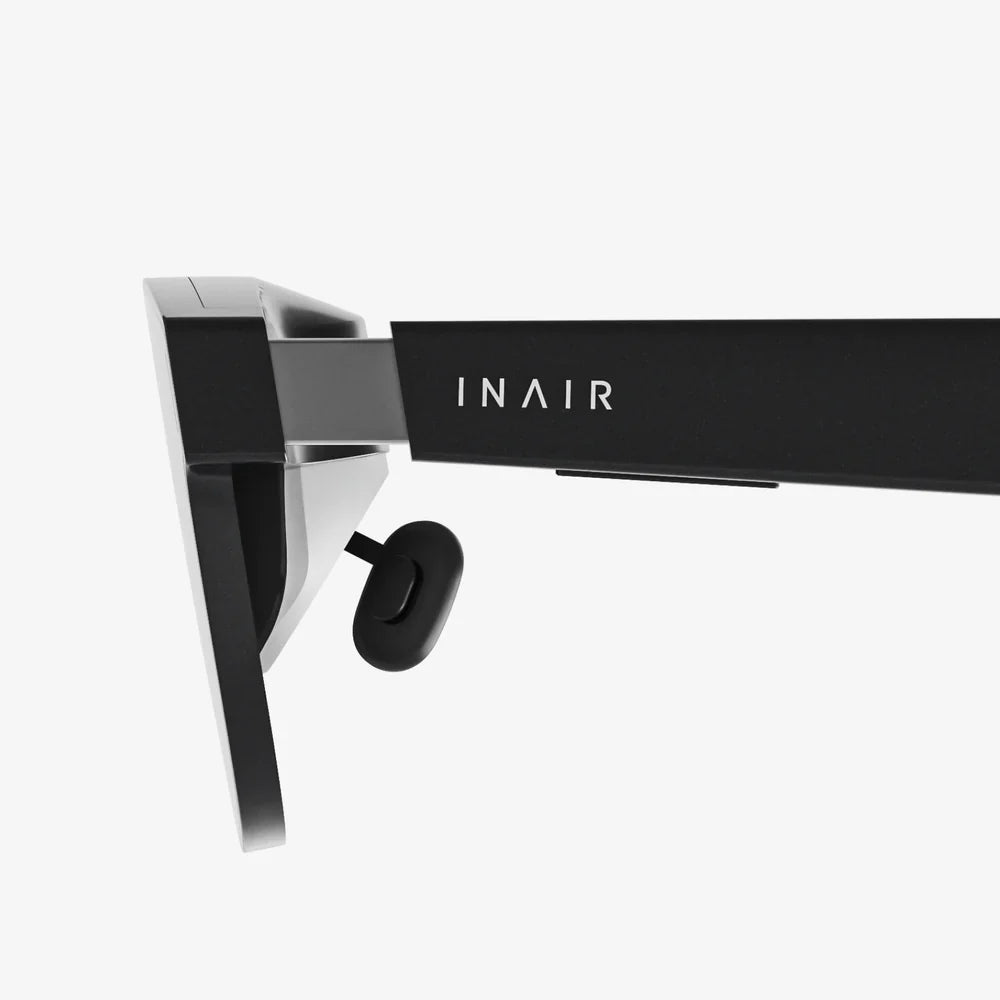
Imagine stepping through a portal into another dimension, where the boundaries between the digital and the physical blur into irrelevance. The quest for the best VR 3D glasses is not merely a search for a piece of technology; it's a pursuit of the ultimate key to unlock these new realities. This journey is about finding the perfect conduit for experiences that can educate, entertain, and expand our very perception of what is possible. The right headset doesn't just show you a new world—it makes you believe you are truly there.
The Core Technologies Powering Modern VR Headsets
To understand what makes one headset stand out from another, we must first delve into the fundamental technologies that bring virtual reality to life. At the heart of every device is the principle of stereoscopy. By presenting a slightly different image to each eye, VR 3D glasses create a convincing illusion of depth, tricking the brain into perceiving a three-dimensional world. This is the foundational magic, but the execution varies dramatically.
Display technology is paramount. Most modern devices utilize high-resolution LCD or OLED panels. OLED screens are often praised for their perfect blacks and high contrast ratios, which are crucial for creating a believable sense of immersion, especially in dark virtual environments. LCDs, on the other hand, can offer higher pixel densities, reducing the 'screen door effect'—that faint grid-like pattern that can appear when you can discern the gaps between pixels. The best VR 3D glasses strike a delicate balance, offering a high refresh rate (90Hz and above) to ensure smooth, nausea-free motion, and a field of view (FOV) wide enough to fill your peripheral vision, typically 100 degrees or more.
Deciphering the Form Factors: Tethered, Standalone, and Mobile
The VR landscape is broadly divided into three categories, each with its own strengths and ideal use cases. Your choice here will fundamentally shape your experience.
Standalone VR Headsets
These are all-in-one units that require no external computer or phone. They have their own processor, storage, battery, and tracking systems built directly into the headset. This makes them incredibly convenient and user-friendly; you can step into VR almost anywhere without being tethered by cables. They represent the most accessible entry point for many users, offering a robust library of games and experiences. The trade-off has traditionally been in raw graphical power, as they cannot match the processing might of a high-end gaming computer. However, the performance gap is narrowing with each new generation of standalone hardware.
Tethered VR Headsets
These devices connect via a high-speed cable to a powerful external computer. This connection provides them with immense processing power, enabling breathtakingly detailed graphics, complex physics simulations, and vast, intricate virtual worlds. For the serious gamer or professional user who demands the highest possible fidelity and performance, tethered headsets are the undisputed champions. The obvious downside is the lack of freedom; you are physically bound to your computer, and the setup process can be more involved.
Mobile VR Platforms
This category, which involved slotting a smartphone into a head-mounted holder, was once a popular low-cost introduction to VR. While its prevalence has waned with the rise of capable standalone devices, it remains a testament to the accessibility of the technology. The experience was entirely dependent on the smartphone's capabilities, often resulting in lower performance and a limited feature set compared to dedicated hardware.
Key Features That Define a Premium Experience
Beyond the basic form factor, several critical features separate the good from the truly great.
Tracking: Inside-Out vs. Outside-In
How the headset understands its position in your physical space is crucial. Outside-in tracking uses external sensors or base stations placed around the room to precisely monitor the headset's and controllers' movements. It's renowned for its high accuracy, especially for competitive gaming. Inside-out tracking, now the industry standard for most new devices, uses cameras mounted on the headset itself to map the environment and track controller positions. It eliminates the need for external hardware, simplifying setup and making the system more portable, though it can sometimes struggle in feature-poor environments or with tracking controllers directly behind the user.
Controllers: Your Hands in the Virtual World
The best controllers feel like a natural extension of your hands. They should be ergonomic, responsive, and capable of precise tracking. Advanced haptic feedback, which provides nuanced vibrations, and finger-tracking capabilities, which can detect individual finger movements without a button press, dramatically increase the sense of presence and immersion, allowing for more intuitive and expressive interactions.
Lens Quality and Optical Adjustments
The lenses are your window into the virtual world. High-quality Fresnel or aspheric lenses are designed to provide a sharp, clear image across the entire field of view. A crucial feature for many users is an IPD (Interpupillary Distance) adjustment, either mechanical or software-based. This allows you to align the lenses with the distance between your pupils, ensuring a clear and comfortable image and reducing eye strain.
Comfort and Ergonomics
A headset can have the most advanced specs in the world, but if it's uncomfortable to wear, it's useless. Weight distribution is key. A design that shifts the center of gravity closer to the face and uses a robust strap system (like a rigid halo or elasticated strap) can make a heavy headset feel much lighter. Materials should be breathable, and padding should be soft and replaceable for hygiene. For users who wear prescription glasses, checking for adequate space within the face gasket is essential.
Navigating the Software Ecosystem
The hardware is only half of the equation. The available software, or content library, gives the device its purpose. Some platforms are walled gardens, meaning you can only access content from their specific digital store. Others are more open, allowing you to experience content from various sources, including experimental projects. The richness of the ecosystem—encompassing games, social platforms, creative tools, educational applications, and 360-degree videos—is a vital consideration. A vibrant and active community of developers and users is a strong indicator of a healthy platform with a promising future.
Matching the Headset to Your Needs
There is no single "best" headset for everyone. The perfect choice is a deeply personal one that depends on your priorities.
- The Hardcore Gamer: Prioritizes graphical fidelity, performance, and a vast library of high-end titles. A tethered PCVR headset is likely the preferred choice.
- The Casual Explorer & Social User: Values ease of use, wireless freedom, and a strong selection of social and casual experiences. A high-end standalone headset is ideal.
- The Media Consumer: Wants a personal cinema for watching movies and immersive videos. High resolution, OLED screens for contrast, and comfort for extended wear are key.
- The Professional: Uses VR for design, architecture, training, or data visualization. Requires top-tier resolution, color accuracy, and compatibility with professional software suites.
The Future is Already Here
We are on the cusp of new advancements that will further redefine the standards for the best VR 3D glasses. Varifocal lenses, which dynamically adjust to where the user is looking, promise to solve the vergence-accommodation conflict, a major source of eye strain. Haptic suits and gloves are beginning to provide tactile feedback, allowing users to 'feel' the virtual world. Advancements in inside-out tracking and computer vision will continue to improve accuracy and enable more natural interactions. The line between the virtual and the real will continue to blur, making the choice of your portal more important than ever.
Your journey into the metaverse and beyond begins with a single decision—a decision that will define the quality of every virtual sunrise you witness, the intensity of every game you play, and the connection you feel in every social space. The perfect pair of VR 3D glasses is out there, waiting to transform your reality. It's not just about buying a gadget; it's about choosing the world you want to step into next.
Share:
Best AI Glasses in the World: The Ultimate Guide to Smart Eyewear Revolution
Future of Augmented Reality Hardware 2025: Beyond the Smartphone