


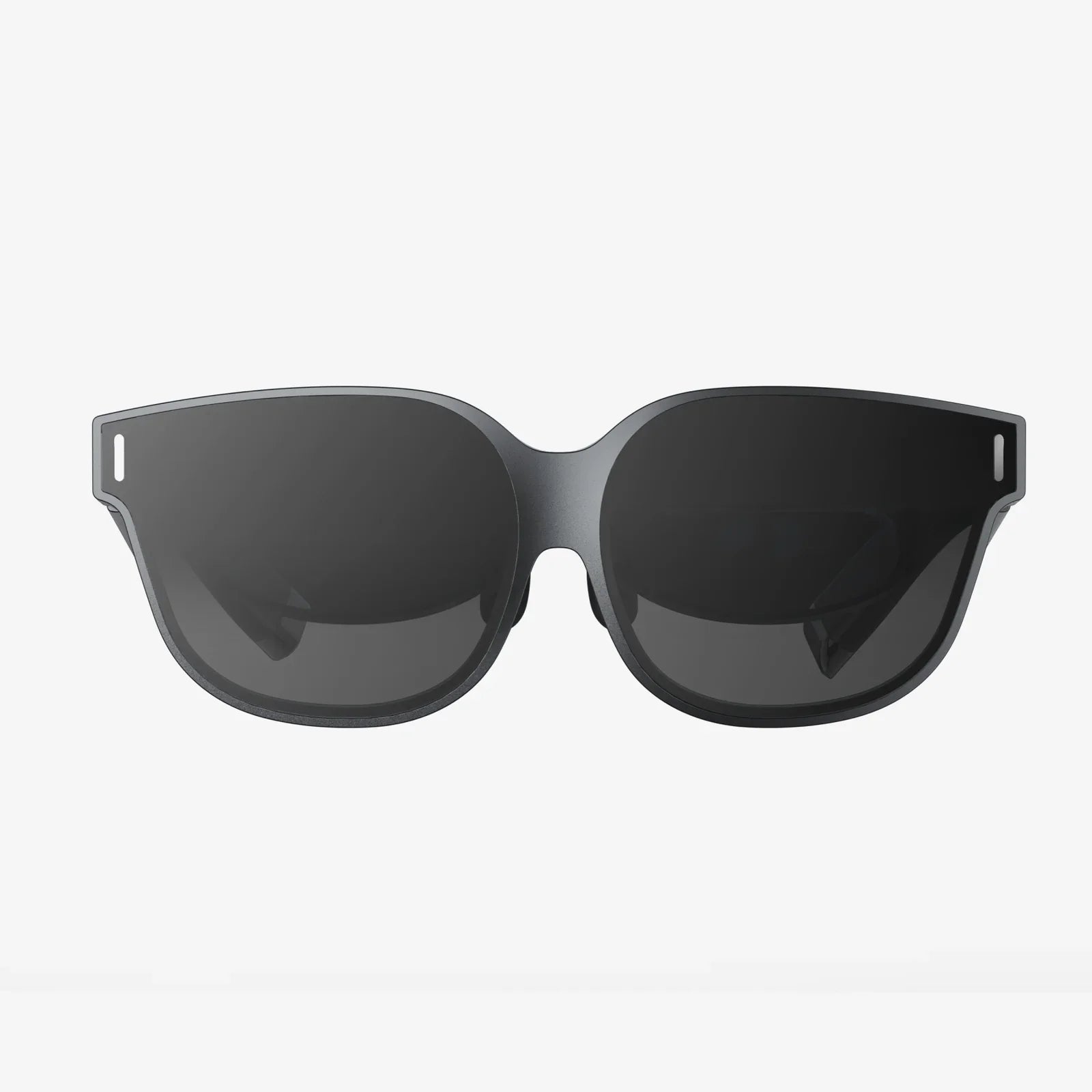
Imagine slipping on a pair of sleek glasses and instantly being transported to a front-row seat at a concert, a strategic command center in a distant galaxy, or a collaborative workspace with colleagues from across the globe. This is no longer the stuff of science fiction; it's the compelling reality offered by today's best VR glasses. The journey to find the perfect headset is an exciting one, filled with cutting-edge technology and the promise of unparalleled experiences.
The market for virtual reality hardware has exploded, offering a dizzying array of options that cater to every conceivable need and budget. From powerful, tethered behemoths that deliver mind-blowing fidelity to sleek, standalone units offering ultimate freedom, the definition of the “best” VR glasses is entirely subjective. It hinges on a delicate balance of performance, comfort, content, and, crucially, your intended use. This guide will navigate you through the essential considerations, breaking down the technology to empower you to make an informed decision and step confidently into the virtual realm.
Decoding the VR Landscape: Understanding the Types of Headsets
Before diving into specifications, it's vital to understand the three primary categories of VR glasses available today. Each offers a distinct set of advantages and compromises.
Standalone VR Headsets
These are all-in-one units that require no external computer or console to operate. Everything you need—the processor, sensors, battery, and displays—is built directly into the headset.
- Pros: Ultimate portability and convenience. There are no wires to trip over, and you can use them anywhere within your designated play area. Setup is typically very simple, often just requiring a Wi-Fi connection.
- Cons: Due to the need to balance performance with battery life and heat generation, the graphical fidelity and processing power are generally less than what a high-end connected headset can achieve. They are also a closed ecosystem, meaning you cannot upgrade their internal components.
- Ideal For: Newcomers to VR, users seeking a wireless experience for fitness apps and social VR, and those who value ease of use above raw graphical power.
PC-Connected VR Headsets
These headsets act as a high-resolution display and tracking system but rely entirely on a powerful gaming desktop computer to do the heavy graphical lifting.
- Pros: Unmatched graphical performance, detail, and realism. They offer access to the most demanding and visually stunning VR titles and experiences. The refresh rates are often higher, contributing to a smoother and more comfortable experience.
- Cons: They are the most expensive option when factoring in the cost of a capable gaming PC. The tethering cable can be restrictive and break immersion. Setup is more complex.
- Ideal For: Serious gamers, simulation enthusiasts (flight, racing), and professionals in fields like architecture and design who require the highest possible visual fidelity.
Console-Connected VR Headsets
This category is more niche, typically designed to work exclusively with a specific video game console.
- Pros: Offers a curated, high-quality VR experience at a relatively accessible price point, leveraging the console's hardware. The ecosystem is streamlined and user-friendly.
- Cons: Limited to the library and performance capabilities of the console. There are fewer headset options available in this category.
- Ideal For: Owners of the specific console who want a plug-and-play VR gaming experience without investing in a high-end PC.
The Anatomy of Excellence: Key Features to Evaluate
Once you've identified the type of headset that suits your lifestyle, it's time to dissect the key features that separate good VR glasses from the best VR glasses.
Display Resolution and Clarity
This is often the first specification people look at, and for good reason. Resolution is measured in pixels per eye (e.g., 1832 x 1920). A higher resolution means a sharper, clearer image with less visible “screen door effect”—the faint grid lines that can appear between pixels. However, resolution isn't the whole story. The quality of the lenses (often Fresnel or pancake lenses) plays a massive role in edge-to-edge clarity, sweet spot size, and overall visual comfort.
Field of View (FoV)
Field of View is how much of the virtual world you can see at any given time, measured diagonally in degrees. A wider FoV (110 degrees or more) increases the sense of immersion and presence, making you feel like you're truly “inside” the experience. A narrow FoV can feel like looking through binoculars or a scuba mask.
Refresh Rate
Measured in Hertz (Hz), the refresh rate is how many times per second the image on the display refreshes. A higher refresh rate (90Hz and above) results in smoother motion, which is critical for fast-paced games and overall comfort. Low refresh rates can lead to judder, motion blur, and, for some users, increased susceptibility to VR-induced motion sickness.
Tracking Technology
How does the headset understand your movements? There are two main methods:
- Inside-Out Tracking: Cameras mounted on the headset itself observe the physical environment to track its position and the motion of the controllers. This eliminates the need for external base stations, making setup easier and the system more portable.
- Outside-In Tracking: External sensors or base stations placed around the room emit signals (like lasers or infrared light) that are picked up by sensors on the headset and controllers to precisely track their location. This method is often considered the gold standard for accuracy and latency, especially for competitive gaming, but it requires more setup and limits portability.
Controllers and Haptics
The controllers are your hands in the virtual world. The best VR glasses come with ergonomic controllers that feel natural to hold and offer intuitive button layouts. Advanced haptic feedback goes beyond simple vibration, providing nuanced sensations that mimic the feeling of touching virtual objects, drawing a bowstring, or feeling the rumble of an engine.
Comfort and Ergonomics
This is arguably one of the most overlooked yet critical factors. The best VR glasses are designed for long sessions. Key considerations include:
- Weight Distribution: Is the weight front-heavy? A good counter-balancing strap system is essential.
- Head Straps: Standard elastic straps vs. rigid, halo-style straps that distribute weight across the forehead and back of the head.
- Facial Interface: The material that touches your face. Is it a soft, breathable foam? Is it easy to clean? Can it be replaced?
- IPD Adjustment: Interpupillary Distance adjustment allows you to physically shift the lenses to match the distance between your eyes, which is crucial for visual clarity and preventing eye strain.
Audio
Immersive spatial audio is half the experience. Some headsets have built-in speakers that direct sound towards your ears, others offer high-quality off-ear headphones, and some rely on a standard 3.5mm jack for your own headphones. The best implementations provide precise 3D spatial audio that lets you hear exactly where sounds are coming from in the virtual space.
Content Library and Ecosystem
A headset is only as good as the software it can run. Investigate the platform's store. Does it have the games and apps you want? Is there a healthy flow of new releases? Are there exclusive titles that lock you into that ecosystem? The best VR glasses are supported by a vibrant and growing content library.
Beyond Gaming: The Expanding Universe of VR Applications
While gaming is the most famous use case, the potential of the best VR glasses extends far beyond it.
- Fitness: VR has revolutionized home fitness with engaging apps that turn workouts into fun, immersive games, tracking your calories and movement.
- Social Connection: Platforms exist where you can meet friends, watch movies, attend events, and interact using expressive avatars, making distance feel irrelevant.
- Productivity: Imagine working with multiple virtual monitors in a serene environment of your choosing. VR is becoming a viable platform for remote work and collaboration.
- Education and Training: From medical students practicing complex surgeries to mechanics learning to repair new engines, VR provides a safe, repeatable, and cost-effective training environment.
- Travel and Exploration: Visit famous landmarks, explore the depths of the ocean, or walk on Mars from your living room through stunning 360-degree videos and interactive experiences.
Making Your Choice: Aligning Technology with Your Vision
With all this information, how do you choose? Start by asking yourself these questions:
- What is my budget? Factor in the cost of the headset, any necessary accessories, and the cost of software.
- What is my primary use? Is it gaming, fitness, social, or professional? Your answer will heavily influence the type of headset you need.
- What are my space constraints? Do you have a dedicated, clear play area, or will you be using it in a smaller, seated environment?
- What existing hardware do I own? Do you already have a powerful gaming PC? This could make a PC-connected headset the most logical choice.
There is no single “best” headset for everyone. The best VR glasses for a hardcore simulator pilot are different from the best pair for a fitness enthusiast or a family looking for a fun social device. The winner is the one that most closely aligns with your individual needs, desires, and circumstances.
The frontier of virtual reality is being drawn right before our eyes, not in some distant future, but in the present moment. The technology has matured from a novel curiosity into a powerful portal for human connection, creativity, and exploration. Your perfect gateway into these boundless digital worlds is waiting, promising to redefine your understanding of entertainment, work, and play.
Share:
Working of Augmented Reality: A Deep Dive into the Digital Overlay
Do VR Headsets Work With Glasses? The Complete Guide to Virtual Vision