


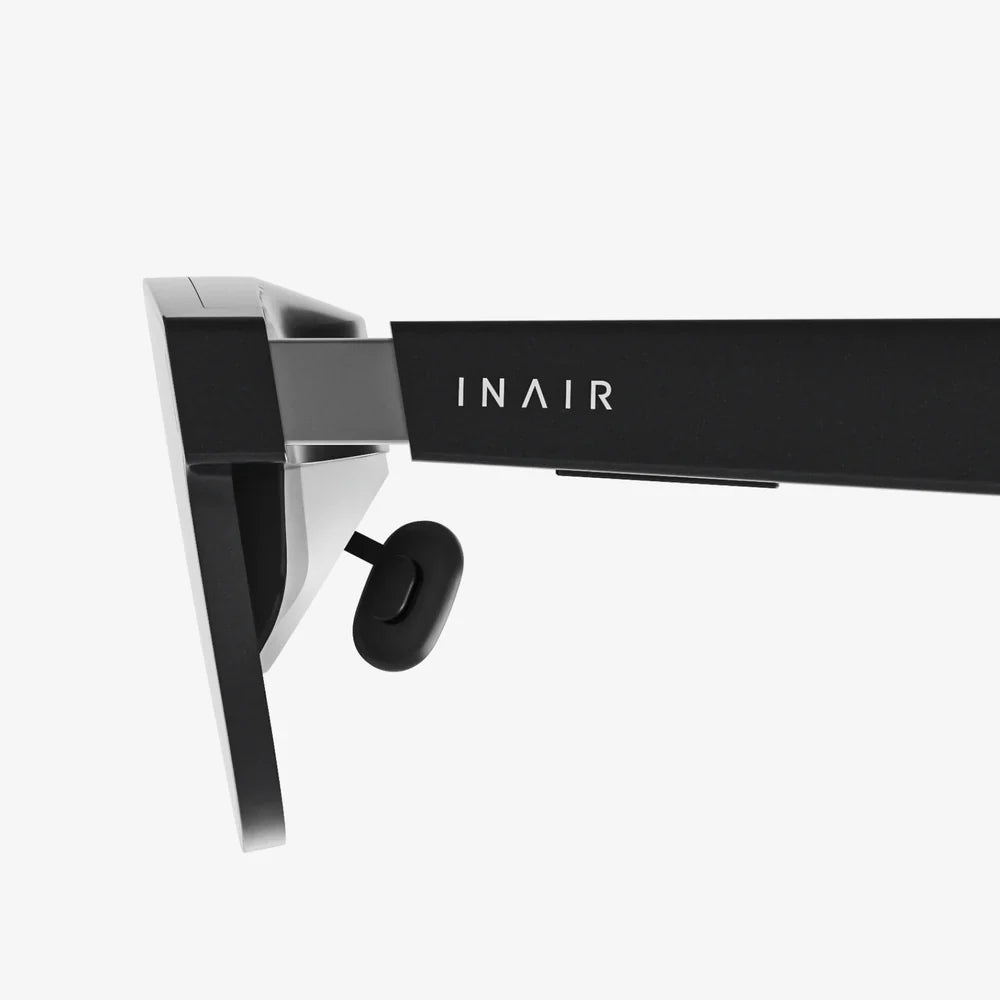
Imagine stepping into your office, a pristine digital environment tailored precisely to your workflow, free from the distractions of the outside world, where your most powerful tools are at your fingertips and your global team is seated right beside you. This is no longer a scene from science fiction; it is the emerging reality for professionals equipped with the best VR glasses for work. This technology is rapidly shedding its image as a purely gaming-centric novelty and is being embraced as a serious tool for enhancing productivity, fostering unparalleled collaboration, and fundamentally reshaping our concept of the workspace itself. The journey into the virtual office is beginning, and it promises to be one of the most transformative shifts in how we work since the advent of the personal computer.
The Evolution of Workspaces: From Physical Desks to Infinite Virtual Offices
The traditional concept of an office—a fixed location with cubicles, meeting rooms, and water coolers—has been undergoing a slow but steady transformation for decades. The rise of the internet enabled remote work, but it often meant trading a corporate desk for a home one, alongside the myriad distractions of domestic life. Video conferencing brought faces together on a screen, but it failed to replicate the nuanced dynamics of in-person collaboration, often leading to 'Zoom fatigue' and a sense of disconnect.
Virtual reality represents the next quantum leap in this evolution. The best VR glasses for work are not merely another screen; they are a portal. They transport the user into a fully immersive, three-dimensional environment that can be designed for maximum focus, creativity, and efficiency. This shift is moving us from a model of remote work to one of immersive work, where physical location becomes irrelevant, and the quality of the digital environment becomes paramount.
Key Features That Define the Best VR Glasses for Professional Use
Not all virtual reality devices are created equal, especially when the goal is productivity rather than entertainment. The best VR glasses for work are engineered with specific features that cater to the demands of professionals who spend hours inside them.
Visual Fidelity and Resolution
The dreaded 'screen door effect'—where users can see the faint lines between pixels—is a major immersion-breaker and a non-starter for reading text or analyzing detailed designs. High-resolution displays are absolutely critical. Professionals need crystal-clear text rendering and sharp image quality to work with code, documents, spreadsheets, and complex 3D models for extended periods without eye strain.
Ergonomics and Comfort
An eight-hour workday in a poorly designed headset is impossible. Comfort is king. This involves a balanced weight distribution, high-quality, breathable padding, and adjustable straps. The goal is to make the hardware feel like a natural extension of the user, not a burdensome piece of equipment. This also extends to the design of the controllers or, increasingly, the sophistication of hand-tracking technology, which allows for intuitive interaction without holding anything.
Passthrough Technology and Mixed Reality
While full immersion is valuable, the ability to blend the digital and physical worlds is often more practical for a work setting. High-fidelity color passthrough cameras allow users to see their physical keyboard, take a sip of coffee, or check their smartphone without removing the headset. This mixed reality (MR) functionality is a cornerstone of professional VR, enabling users to anchor virtual screens to their physical walls or interact with digital content overlaid on their real-world desk.
Software Ecosystem and Productivity Applications
The most powerful hardware is useless without robust software. The best platforms offer a growing suite of dedicated productivity applications. This includes virtual monitors that can extend a user's desktop into a 360-degree workspace, specialized apps for 3D design and architecture, virtual whiteboards for brainstorming, and dedicated environments for team meetings and social interaction that feel more present and engaging than traditional video calls.
Performance and Battery Life
Smooth performance is non-negotiable. Stuttering, lag, or dropped frames can quickly cause nausea and break concentration. Whether powered by a tethered computer or a standalone processor, the device must deliver a consistently high frame rate. For standalone devices, all-day battery life, often supported by a hot-swappable battery solution, is essential for uninterrupted workflow.
Unlocking New Dimensions of Productivity
The practical applications of VR in the workplace are vast and growing, offering tangible benefits across numerous industries.
The Ultimate Focus Environment
One of the most immediate benefits is the ability to create a perfect, distraction-free workspace. With a VR headset, you can simulate working from a quiet beach, a minimalist space station, or a sound-proofed virtual room. By blocking out visual and auditory distractions from the physical environment, users can achieve a state of deep focus, dramatically increasing productivity on complex tasks.
Virtual Monitors and Boundless Workspace
For developers, traders, writers, and anyone who relies on multiple screens, this is a game-changer. VR can simulate three, five, or even more high-resolution virtual monitors that are not constrained by physical size, cost, or desk space. These screens can be arranged in any configuration, curved for optimal viewing, and remain persistent in your virtual environment, ready to be called up in an instant wherever you are.
Revolutionizing Collaboration and Training
VR collaboration goes far beyond sharing a screen on a video call. Teams can meet inside a virtual conference room, a prototype of a new building, or a 3D model of a new product. Participants, represented by expressive avatars, can brainstorm on an infinite whiteboard, manipulate 3D objects together in real-time, and experience a strong sense of shared presence that is impossible to achieve with flat screens. This is invaluable for:
- Architecture and Engineering: Walk through designs at a 1:1 scale before a single physical material is used.
- Healthcare: Train surgeons on complex procedures in a risk-free virtual environment.
- Corporate Training: Immerse employees in realistic scenarios for soft skills or safety training.
Navigating the Current Challenges and Considerations
Despite the immense potential, the technology is not without its hurdles. Adopting VR for work requires careful consideration of these factors.
Overcoming the Social and Technological Barrier
There is still a social stigma associated with wearing a headset—it can feel isolating or look peculiar to others. Furthermore, there is a learning curve associated with navigating new interfaces and interaction methods. Companies must invest in change management and proper training to ensure smooth adoption.
The Quest for All-Day Comfort
While ergonomics are improving, no headset is yet perfect for every user for an entire workday. Issues like heat buildup, pressure on the face, and the simple fact of having a device on your head can be limiting factors for some. This is an area of intense focus and rapid innovation for manufacturers.
Cost and Accessibility
High-end hardware, plus the required computing power and software licenses, represents a significant investment. While the price is decreasing, it remains a barrier to widespread enterprise adoption for some organizations. The ROI must be clearly demonstrated through gains in productivity, reduced travel costs, and improved collaboration.
The Future of Work is Immersive
The trajectory is clear. As the technology continues to advance—with lighter form factors, higher-resolution displays, longer battery life, and more intuitive interfaces—the adoption of VR for work will accelerate. We are moving towards a future where putting on a pair of glasses will be as natural as opening a laptop, seamlessly connecting us to a persistent, personalized, and collaborative digital workspace that exists alongside our physical reality.
The door to your new office is open. The best VR glasses for work are no longer a futuristic promise but a present-day tool, offering a compelling glimpse into a more focused, collaborative, and boundless way of working. The question is no longer if virtual reality will change the workplace, but how quickly you are ready to step through and claim your desk in the metaverse.
Share:
VR Glasses 7 Inch Screen: The Unseen Revolution in Immersive Technology
Augmented Reality on the Web: The Future of Immersive Digital Interaction is Here