


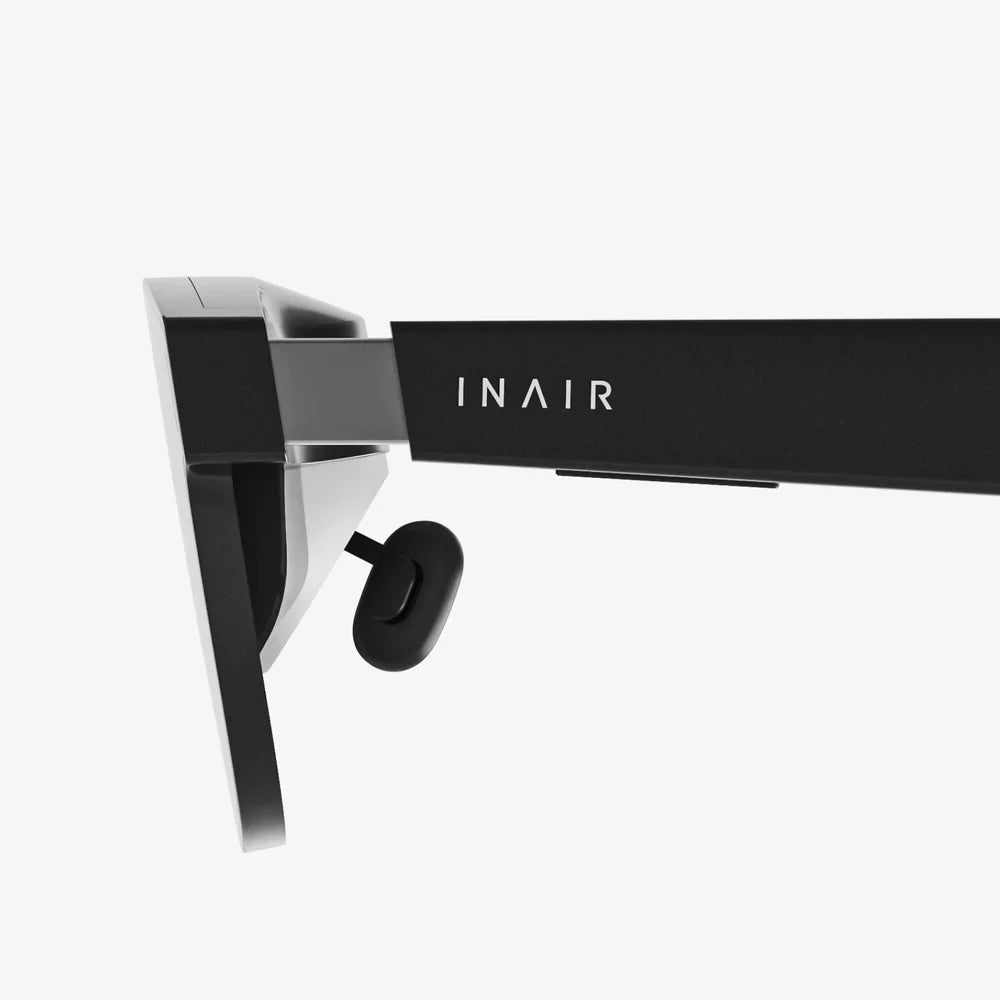
Imagine slipping on a pair of sleek, unassuming glasses and being instantly transported to a front-row seat at a concert, a meticulously recreated historical battlefield, or a collaborative 3D design session with colleagues across the globe. This is the long-promised dream of virtual and augmented reality, a dream now being reshaped by a seemingly simple yet profoundly impactful component: the integration of a substantial 7-inch screen within modern VR headsets. This shift away from smaller, dual displays towards a single, larger panel is not merely an incremental spec bump; it represents a fundamental rethinking of approach, balancing technological ambition with pragmatic accessibility to potentially unlock the next major wave of immersive computing.
The Heart of the Experience: More Than Just Pixels
At its core, any VR headset is a viewing apparatus. Its primary function is to place a digital world between the user's eyes and the real one. The quality, size, and technology of the screen employed are, therefore, the very soul of the experience. For years, the dominant design philosophy favored using two smaller, high-density screens—one for each eye. This method allows for precise optical calibration and can potentially offer a very high pixel-per-degree (PPD) density, crucial for resolving the dreaded 'screen-door effect' where users can discern the gaps between pixels.
The move to a single, unified 7-inch screen is a significant departure. This is not a standard mobile phone screen but a custom-designed panel, often utilizing advanced LCD or OLED technologies, engineered specifically for the unique demands of immersive media. Its size is its first major advantage. A 7-inch diagonal provides a vast canvas for the optics to work with. This expansive real estate means the lenses can utilize the sweet spot of the panel, minimizing distortion that can occur at the edges of smaller screens and creating a more uniform and stable image across the entire field of view.
The Clarity Equation: Resolution, Density, and the Human Eye
The conversation around visual fidelity in VR is complex, revolving around three key metrics: resolution, pixel density, and field of view (FOV). They exist in a delicate balance, often forcing engineers to make trade-offs.
- Raw Resolution: A 7-inch screen with a 4K (3840 x 2160) resolution is now a feasible reality. This single panel must render a scene for both eyes, meaning the effective horizontal resolution per eye is roughly half of the total. While this sounds like a disadvantage compared to dual 2K screens, advanced rendering techniques like Fixed Foveated Rendering (which focuses full resolution only where the user is looking) and the physical properties of the larger screen help mitigate this.
- Pixel Density (PPI): This is where the larger screen faces its greatest challenge. Spreading a 4K resolution across 7 inches results in a lower Pixels Per Inch (PPI) number than spreading the same resolution across two 4-inch screens. A lower PPI can, in theory, make pixels more perceptible. However, this is powerfully counteracted by the use of advanced lens systems, particularly Fresnel or the newer Pancake lenses. These lenses magnify the image significantly. The larger starting canvas of the 7-inch screen allows these lenses to operate more efficiently, often resulting in a final perceived clarity that is remarkably high and a screen-door effect that is vastly reduced or eliminated for the average user.
- Field of View (FOV): A paramount factor for immersion is the FOV—how much of your vision is occupied by the virtual world. A larger screen is inherently better suited to support a wider FOV. It provides more image for the lenses to project, potentially moving beyond the common 90-100 degree FOV into ranges of 110 degrees or more, which significantly enhances the feeling of 'being there'.
The Ripple Effect: Design, Cost, and Accessibility
The choice of a screen component has a domino effect on the entire design, manufacturing, and marketing of a VR headset. The implications of selecting a 7-inch panel are profound.
From an engineering standpoint, a single screen simplifies the internal architecture. It requires one display driver, one set of connectors, and one power regulation circuit instead of two. This reduction in components directly translates to improved reliability and potentially a lower bill of materials (BOM). Furthermore, it simplifies the complex optical alignment process during manufacturing. With two screens, each must be perfectly aligned with its corresponding lens to avoid eye strain and headaches. A single screen eliminates this bilateral alignment challenge, needing only a single, centralized calibration. This manufacturing efficiency is a key driver in reducing costs.
This is perhaps the most revolutionary aspect of this trend: the potential to democratize high-quality VR. By simplifying the design and leveraging the economies of scale that come from using a larger, more established screen manufacturing process (compared to bespoke, tiny high-PPI panels), companies can produce compelling VR experiences at a significantly lower cost. This opens the market to a much wider audience who may have been intrigued by VR but were unwilling to invest a substantial sum. It transforms the headset from a niche enthusiast's gadget into a mainstream entertainment and productivity device.
Weighing the Scales: The Inherent Trade-offs
No technological decision is without compromise, and the use of a large 7-inch screen is no exception. The most significant trade-off is the physical size and weight of the resulting headset. A larger screen necessitates a larger housing, or ‘shell’. This can conflict with the desired goal of a sleek, lightweight, and socially acceptable form factor, often leaning more towards the ‘ski goggle’ look than the ‘simple glasses’ ideal.
Weight distribution becomes critical. A heavy component located at the front of the headset can make it feel front-heavy, leading to discomfort and ‘face fatigue’ during extended sessions. This challenge is addressed through innovative industrial design: using lightweight materials like polycarbonate alloys, implementing sophisticated strap systems that redistribute weight to the crown of the head, and strategically placing the battery pack at the back as a counterweight. While the headset might be larger, clever design can still make it surprisingly comfortable.
Another consideration is performance. Driving a single 4K screen at high refresh rates (90Hz and above is essential for comfort) demands significant graphical processing power. This reinforces the need for a capable external device, whether a powerful gaming computer or a next-generation games console, to act as the engine for the experience. For true standalone devices, it pushes mobile processor technology to its absolute limits, balancing resolution, refresh rate, and graphical detail to maintain a smooth and comfortable experience.
Beyond Gaming: A New Lens for Work and Connection
While gaming is the most visible application for VR, the value of a high-clarity, accessible headset extends far beyond. The 7-inch screen paradigm is a key enabler for the ‘metaverse’ vision of work and social connection.
In professional settings, often referred to as ‘enterprise VR’ or ‘augmented reality’, clarity is non-negotiable. An architect examining a 3D model needs to see the finest details. A medical student performing a virtual dissection requires precise visual feedback. A remote collaborator needs to read text on a virtual whiteboard clearly. The visual fidelity afforded by these larger screens, combined with their lower potential cost, makes corporate adoption and training programs far more feasible and effective.
Socially, the reduction of visual artifacts like screen-door effect and Mura (uneven brightness) is crucial for presence—the feeling that you are actually sharing a space with another person. When you can clearly see the nuances of a friend's avatar’s expression, the connection feels more genuine. This enhanced realism, delivered through a more affordable device, is essential for building the persistent virtual spaces where people will want to spend their time.
The Future is Big, Clear, and Within Reach
The technology is not static. The 7-inch screen of today is merely a stepping stone. We are rapidly advancing towards the use of Micro-OLED displays, which offer incredible pixel density, perfect blacks, and fast response times on even very small panels. The future may see a return to smaller form factors, but the underlying principle learned from the 7-inch era will remain: the pursuit of visual clarity and immersion must be balanced with cost-effective and reliable manufacturing.
Pancake lenses are another critical innovation, allowing for a much shorter distance between the screen and the eye, dramatically slimming down the headset's profile even with a larger screen inside. These advancements, combined with the ongoing miniaturization of sensors and processors, promise a future where high-end VR and AR can converge into a single, lightweight pair of glasses, but the foundational work being done today with components like the 7-inch screen is what is making that future financially and technologically possible.
This isn't just about seeing a bigger picture; it's about making the transformative power of immersive technology visible and accessible to everyone. The humble 7-inch screen, a workhorse component reimagined for a new purpose, is quietly dismantling the barriers of cost and complexity that have long confined high-end VR to a limited few. It represents a pivotal moment where the industry shifts its focus from pure, unattainable spectacle to refined, accessible experience, paving the way for a world where stepping into another reality is as simple and commonplace as putting on a pair of glasses. The next dimension of computing is waiting, and it's looking brighter, wider, and more inviting than ever before.
Share:
How Do AI Glasses Differ From VR Headsets? A Guide To The Future On Your Face
Best VR Glasses for Work: Transforming the Modern Digital Workspace