


Imagine strapping a device to your head and instantly being transported to another world—a bustling alien metropolis, the front row of a concert, a meticulously recreated historical site, or a serene meditation retreat. This is no longer the stuff of science fiction; it's the tangible, awe-inspiring reality offered by today's best VR goggles. The journey into virtual reality is one of the most exciting technological adventures of our time, promising not just new forms of entertainment, but revolutionary ways to work, learn, and connect. But with a rapidly evolving market, finding the right portal to these digital dimensions can feel overwhelming. This guide is your compass, designed to demystify the technology and empower you to choose the perfect headset to unlock experiences you once only dreamed of.
The Pillars of a Superior VR Experience
Not all VR goggles are created equal. The difference between a forgettable demo and a truly transformative experience hinges on a few critical technological pillars. Understanding these will help you discern a genuinely great headset from a merely adequate one.
Display and Visual Fidelity: The Window to Another World
The screen is your eyes into the virtual realm, and its quality is paramount. Key metrics here are resolution, refresh rate, and the type of panel used.
- Resolution: Measured in pixels per eye, higher resolution drastically reduces the "screen door effect"—that distracting grid of lines between pixels—and creates a sharper, more believable image. Modern high-end headsets offer stunning clarity that makes text legible and virtual objects look solid.
- Refresh Rate: Expressed in Hertz (Hz), this is how many times the image refreshes per second. A higher refresh rate (90Hz and above) is crucial for smooth, comfortable gameplay and significantly reduces motion sickness. For fast-paced action, 120Hz or even 144Hz is becoming the new gold standard.
- Lens Technology: Advanced lenses, like pancake optics, allow for a much slimmer and lighter headset design while improving edge-to-edge clarity. The quality of the lenses affects the sweet spot (the area of perfect focus) and reduces god rays and glare.
Tracking and Controllers: Your Hands in the Virtual Space
Precise tracking is what sells the illusion of presence. It translates your real-world movements into the digital space seamlessly.
- Inside-Out Tracking: This is the modern standard for consumer headsets. Cameras on the headset itself track the environment and the controllers, eliminating the need for external base stations or sensors placed around your room. It offers fantastic convenience and ease of setup.
- Outside-In Tracking: Utilizes external sensors placed in the room to track LEDs on the headset and controllers. This method can offer ultra-precise, millimetre-accurate tracking, which is still preferred by competitive VR gamers and professional users, but at the cost of a more complex setup.
- Controller Design: Ergonomic, well-balanced controllers that feel like an extension of your hand are essential. Haptic feedback, which provides subtle vibrations, adds a crucial layer of tactile immersion, making you feel the virtual world.
Comfort and Form Factor: Wearability for Extended Journeys
The most powerful headset is useless if it's too uncomfortable to wear for more than fifteen minutes. Design philosophy is split into two main camps.
- All-in-One (Standalone): These wireless headsets have all the necessary computing power built-in. They prioritize freedom of movement and accessibility, as they require no connection to a powerful computer. The trade-off is that their mobile-grade processors cannot match the graphical fidelity of a tethered experience.
- Tethered/PCVR: These headsets act as a display and sensor package, connecting via a cable to a high-performance computer. This unlocks the full potential of VR, delivering photorealistic graphics and immensely complex simulations. The experience is unparalleled, but you are physically tethered to your PC.
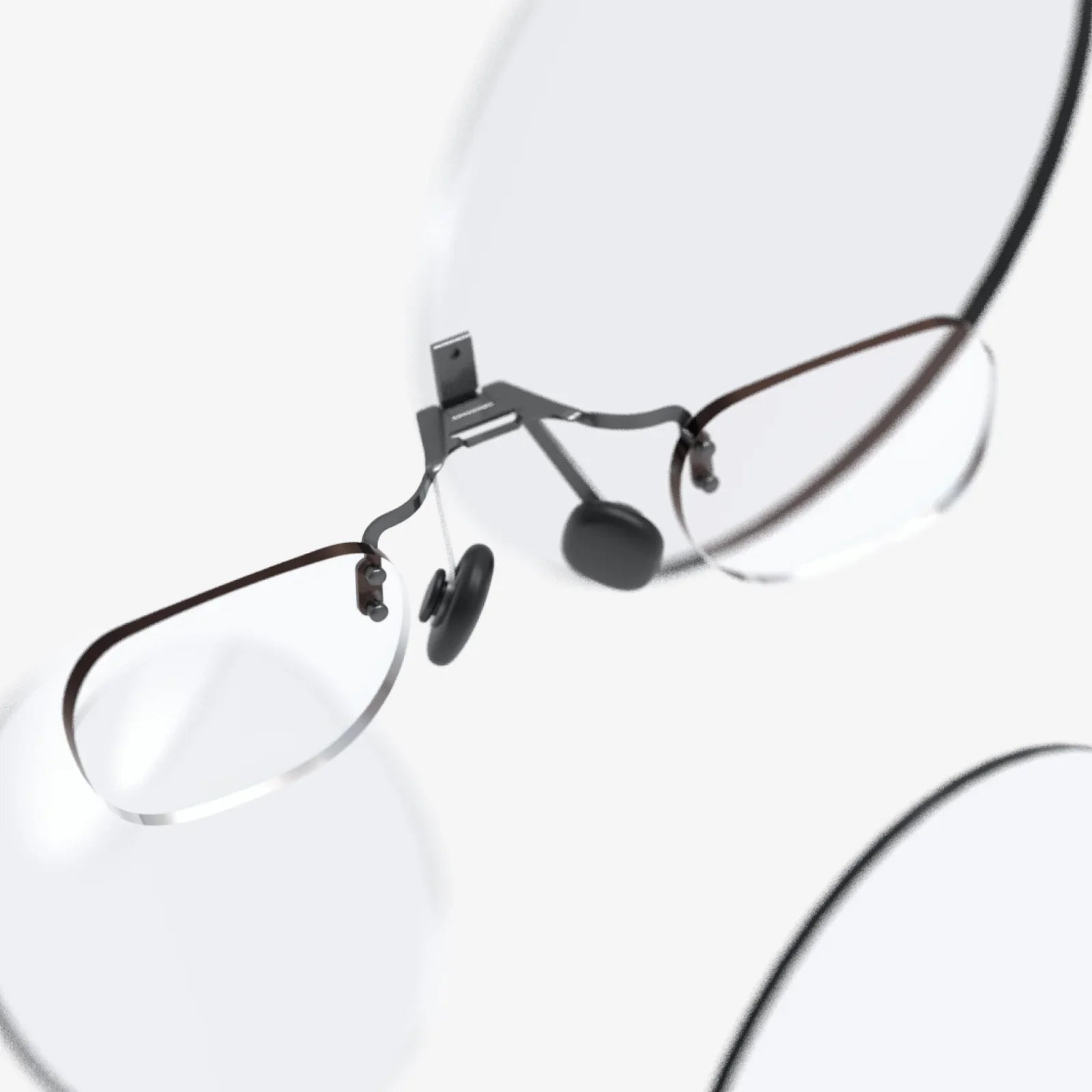
- Ergonomics: Look for a balanced weight distribution, ample padding, and adjustable straps (like a rigid halo design or flexible straps). The ability to accommodate glasses and swap out facial interfaces for hygiene or a better fit is also a sign of a well-considered design.
Matching the Headset to the User
The "best" VR goggles are a deeply personal choice, entirely dependent on your intended use, technical setup, and budget.
The Hardcore Gamer and Enthusiast
For those seeking the absolute pinnacle of visual fidelity and performance, a tethered headset is the only choice. You'll need a robust gaming PC with a powerful dedicated graphics card, but the reward is access to the most graphically intensive and immersive games and experiences. High resolution, a wide field of view, and high refresh rates are non-negotiable. These users often value precise tracking above all else, sometimes opting for outside-in tracking systems for competitive play.
The Casual User and Media Consumer
If your primary interests are casual games, exploring social VR platforms, watching immersive 360-degree videos, or browsing the web on a giant virtual screen, a standalone headset is ideal. The convenience is its greatest strength: no wires, no PC, just pick it up and play. The experience is more than sufficient for most popular social and fitness apps, making it the perfect gateway into VR for families and friends.
The Professional and Enterprise User
VR is revolutionizing industries like architecture, medicine, design, and training. For these applications, reliability, software support, and specific features like eye-tracking and ultra-high-resolution displays for reading text are critical. Enterprise-focused headsets often include features like replaceable components, robust warranties, and professional-grade software suites for CAD visualization or virtual training scenarios.
The Unseen Software: The Ecosystem is Everything
A headset is just hardware. Its value is defined by the software ecosystem it connects to. This is a crucial and often overlooked factor.
- Content Libraries: The availability of games, apps, and experiences is a key differentiator. Some platforms have vast, established stores with thousands of titles, while newer ecosystems are still growing. Check if the headset you're considering has access to the specific apps you want to use.
- Social Features: For many, VR is a social medium. The ability to easily meet up with friends, attend events, and share experiences is a huge part of the appeal. Some ecosystems are more open and interconnected than others.
- User Interface (UI): The operating system and menu system of the headset should feel intuitive and responsive. A clunky, slow UI can sour the entire experience before you even load an app.
Future-Proofing Your Purchase: What's on the Horizon?
VR technology is advancing at a breakneck pace. While you can't future-proof completely, you can make an informed choice.
- Mixed Reality (MR) Passthrough: The line between VR and AR (Augmented Reality) is blurring. High-resolution color video passthrough, enabled by front-facing cameras, allows you to see your real environment with digital objects overlaid. This technology, known as Mixed Reality, is set to explode with applications in gaming, productivity, and design. A headset with good MR capabilities is a more forward-looking investment.
- Eye-Tracking and Foveated Rendering: This revolutionary technology tracks where you are looking and renders that specific area in high detail while reducing the rendering load on the periphery. This massively improves performance and efficiency, allowing for better graphics without requiring more processing power. It also enables more natural social interactions in VR, as avatars can make real eye contact.
- Haptic Suits and Peripherals: While beyond the scope of just goggles, the development of vests, gloves, and other peripherals that provide tactile feedback will deepen immersion. A headset from a company investing in an open ecosystem that supports these peripherals is a plus.
Avoiding the Pitfalls: Common Buyer Mistakes
In the excitement to jump in, it's easy to make a misstep. Here's what to avoid.
- Ignoring the PC Requirement: Purchasing a high-end tethered headset without verifying your computer has a compatible and powerful enough GPU is the most common mistake. Always check the specific system requirements for the headset.
- Prioritizing Specs Over Comfort: A headset with slightly lower resolution that you can wear comfortably for two hours is always better than a technically superior one that causes neck strain after twenty minutes. If possible, try before you buy.
- Forgetting the Total Cost: Remember to budget for the extras. This includes mandatory accessories (like a more comfortable strap), must-have games, prescription lens inserts if you wear glasses, and a carrying case.
- Falling for Hype Over Substance: Be wary of flashy marketing claims from new entrants. Stick to established companies with a proven track record of supporting their hardware with consistent software updates and a growing content library.
The quest for the perfect virtual reality experience is deeply personal, a unique alchemy of cutting-edge technology, intuitive design, and powerful software. It's about more than just specs on a page; it's about finding the device that disappears on your head, allowing you to forget the technology and fully immerse yourself in the magic of another world. Whether you're a gamer chasing the next graphical frontier, a professional architect visualizing a new design, or a curious explorer eager to see what the future holds, the right pair of VR goggles is your ticket. The virtual frontier has never been more accessible or more breathtaking—your journey into the metaverse starts now, and it begins with choosing the right tool to open the door.
Share:
New Wearable Tech: Beyond the Wrist, A Revolution in Personal Data
Video XR: The Ultimate Guide to the Future of Immersive Experiences