


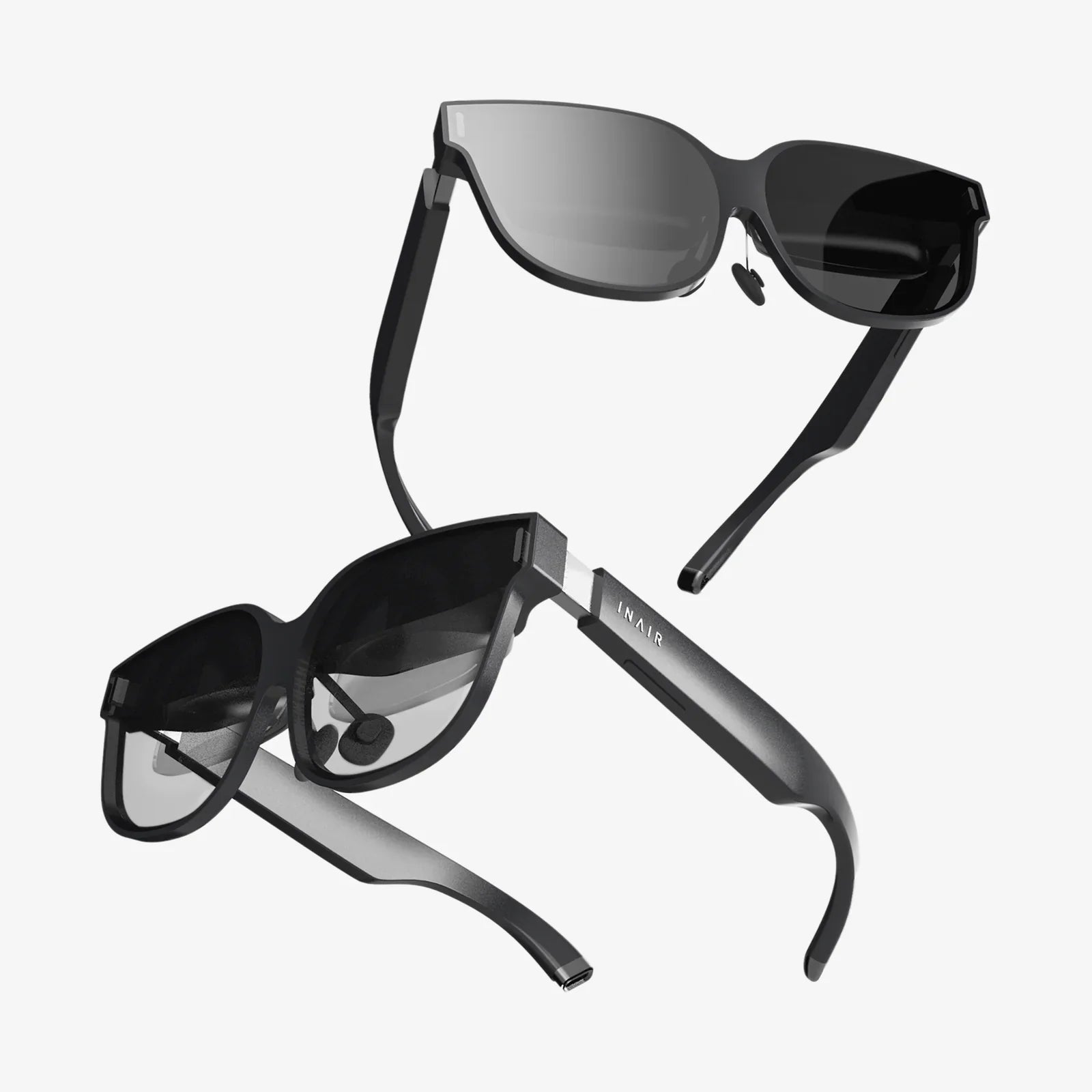
- by wangfred
Best VR Headset 2025: The Ultimate Guide to Next-Gen Immersion
- by wangfred
Imagine a world where the line between the digital and the physical doesn't just blur—it vanishes. A world where you can reach out and feel the texture of a virtual sculpture, share a glance with a colleague on another continent as if they are standing right beside you, or step onto the surface of Mars and feel the crunch of alien regolith beneath your boots. This is no longer the stuff of science fiction; it is the promise held within the sleek, sophisticated designs of the best VR headsets of 2025. The race for your field of view has reached a fever pitch, and the ultimate gateway to these impossible experiences is closer than you think. Choosing the right one isn't just about buying a gadget; it's about selecting your reality.
Just a few years ago, the conversation around the best VR headset revolved around resolution and refresh rate. In 2025, the definition of "best" has evolved into a far more nuanced and holistic spectrum. It's no longer a single metric but a symphony of technologies working in concert to create a seamless and profoundly immersive experience. The bar has been raised astronomically, and what was once considered premium is now the baseline.
The elite headsets of this year are judged on several critical pillars:
The window into virtual worlds has never been clearer. The display technology in the best VR headsets of 2025 represents a monumental leap from previous generations.
The pixelated "screen door effect" that plagued early adopters is now a distant memory. The current generation operates at resolutions exceeding 4K per eye, with pixel densities so high that individual pixels are indistinguishable to the human eye—achieving a true "retina" VR display. This crystal-clear canvas is fundamental to achieving realism, whether you're reading fine text in a virtual workspace or admiring the intricate details of a fantasy environment.
While high-resolution LCDs are still present in some models, Micro-OLED panels have firmly taken the crown for premium visual experiences. Their key advantage lies in per-pixel lighting. This allows for perfect black levels (as pixels can turn off completely), an incredibly high contrast ratio, and more vibrant, true-to-life colors. When combined with HDR, which expands the range of luminosity, the result is a visual experience with a depth and realism that LCD-based headsets simply cannot match. Looking at a virtual starfield in a Micro-OLED HDR headset is a genuinely breathtaking experience—the inky blackness of space is truly black, and the stars are brilliantly bright points of light.
The bulky Fresnel lenses of old have been almost universally replaced by sophisticated pancake lenses. These lenses use a folded optics path, allowing them to be much thinner and lighter while providing a significantly larger "sweet spot" and sharper image from edge to edge. This innovation is a primary driver behind the slimmer, more wearable form factors of 2025's best headsets. They also drastically reduce optical artifacts like glare and god rays, which were common around high-contrast scenes.
Immersion is a multi-sensory experience. The best VR headsets of 2025 understand that what you see is only part of the story.
Built-in, high-fidelity spatial audio is now standard. This technology uses advanced head-related transfer function (HRTF) algorithms to simulate how sound waves interact with your head and ears. The effect is uncanny: you can hear the faint whisper of another character from directly over your left shoulder, or accurately pinpoint the location of a humming energy source in a room based on sound alone. It adds a layer of situational awareness and realism that is critical for both gaming and professional simulation.
Rumble motors are a thing of the past. Advanced haptic feedback systems in controllers and, increasingly, in the headsets and wearable vests themselves, provide a nuanced language of touch. You can feel the subtle recoil of a virtual tool, the light tap of a virtual raindrop, or the distinct texture of a virtual surface. This tactile feedback closes the loop between seeing an action and feeling it, grounding you firmly in the virtual world. The most sophisticated systems even use ultrasonic or electro-tactile technology to simulate the feeling of touch without making physical contact.
The great divide in the VR market continues to be between standalone and tethered (PC-connected) headsets, though the lines are blurring in fascinating ways.
Standalone headsets, with their all-in-one design containing the processor, battery, and sensors, offer unparalleled convenience and accessibility. The latest chipsets powering these devices deliver performance that was only possible on high-end gaming PCs a few years ago. They are the plug-and-play kings, perfect for spontaneous sessions, social gatherings, and users who value a simple, wire-free experience above all else. Their library is often curated and optimized for their specific hardware, ensuring smooth performance.
For the ultimate in visual fidelity and computational power, tethered headsets remain unmatched. By leveraging the raw horsepower of a high-end gaming computer or workstation, these devices can push graphical boundaries far beyond what is possible in a standalone unit. They are the choice for hardcore gamers, professional designers, and architects who need to render incredibly complex, photorealistic models in real-time. The tether, while still a physical limitation, has been improved with lighter, longer, and less intrusive cables, and some systems even offer wireless adapter options for a premium.
The most exciting trend in 2025 is the rise of the hybrid headset. These devices primarily function as high-quality standalone units but can also connect to a PC via a single USB-C cable or wirelessly. This connection transforms them into a tethered headset, giving users access to both the mobile ecosystem and the vast library of PC VR content. This flexibility makes them a compelling "best of both worlds" option for those who refuse to compromise.
With such a diverse and advanced field, choosing the best VR headset for you is a deeply personal decision. Ask yourself these questions:
Be honest about your environment and technical tolerance. Do you have a powerful gaming PC to drive a tethered headset? Do you have a large, clear play space for room-scale experiences? Or do you value the simplicity of a device you can use anywhere, right out of the box?
The range is vast. You can find capable entry-level headsets, but the best-in-class experiences with cutting-edge displays and features command a premium price. Consider the total cost of ownership, including any mandatory subscriptions, accessories, or software purchases.
The VR headsets of 2025 are not incremental updates; they are generational leaps that have finally delivered on the long-promised dream of true immersion. They are more comfortable, more powerful, and more intuitive than anyone could have predicted just a few years ago. The competition is fierce, and that means more choice and better value for you, the user. Whether you are a seasoned virtual veteran or a curious newcomer, there has never been a better time to step into another world. The portals are open, and they are waiting. Your journey into the next dimension doesn't require a leap of faith—just the right headset to guide you.
Share:
How Much Money for a VR Headset: A Complete 2024 Price Guide
Self Contained VR Headset: The Ultimate Guide to Untethered Virtual Reality Freedom