


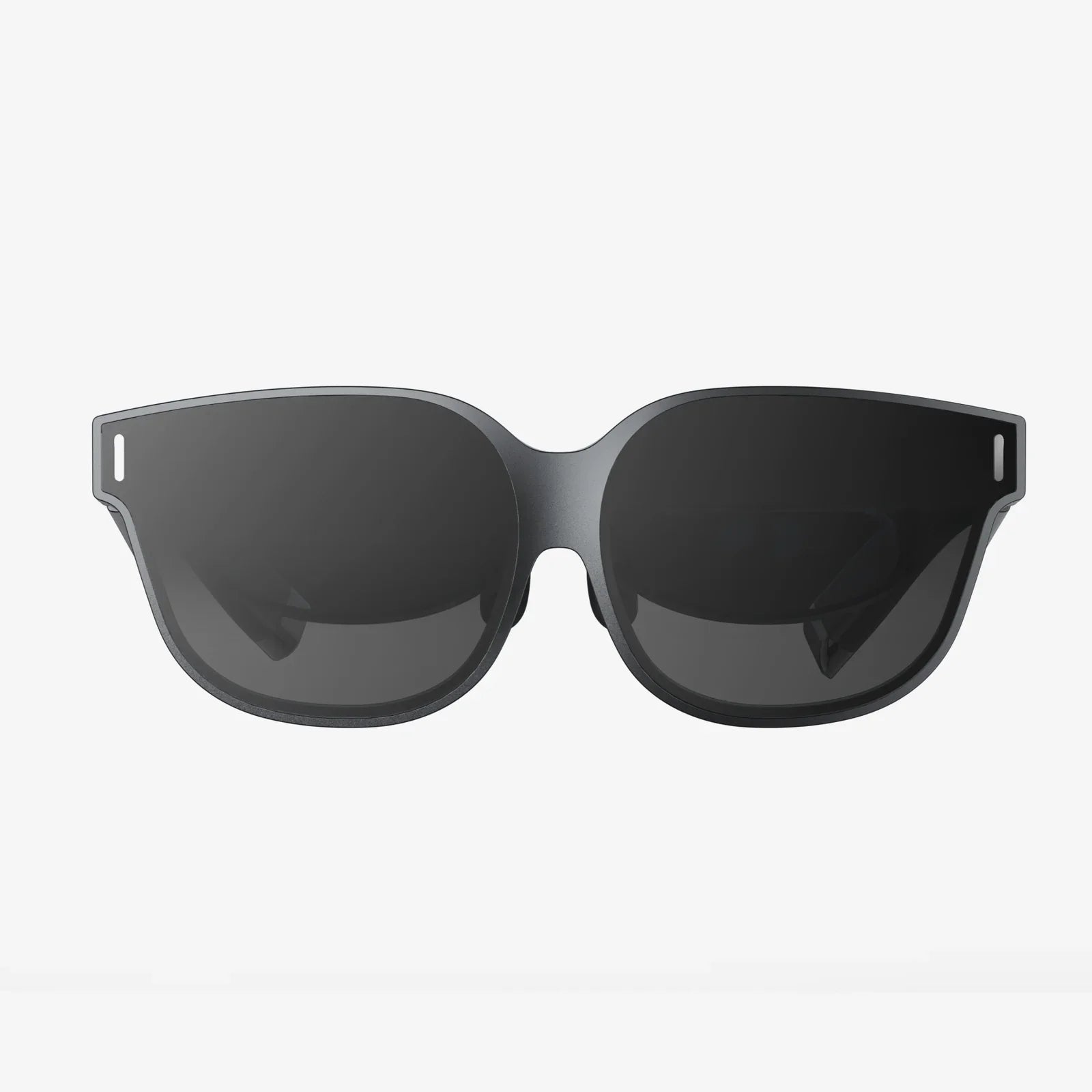
- by wangfred
How Much Money for a VR Headset: A Complete 2024 Price Guide
- by wangfred
You've seen the breathtaking videos, heard the incredible stories, and felt that pull of curiosity. The world of virtual reality is calling, but one burning question holds you back: just how much money do you actually need for a VR headset? The answer, surprisingly, isn't a single number. It's a spectrum, a journey from the accessible to the astronomical, and finding your perfect entry point is the key to unlocking a new dimension of entertainment, productivity, and connection. The price of admission is more flexible than you might think, and the perfect headset for your wallet is out there waiting.
Before we dive into the numbers, it's crucial to understand what you're actually paying for. A VR headset is not a monolithic product; it's a gateway that requires varying levels of support. The total cost encompasses more than just the device you strap to your face. We can broadly categorize the market into three distinct segments, each with its own financial and technical requirements.
This category represents the most significant evolution in consumer VR. Standalone headsets have all the necessary computing power, sensors, and batteries built directly into the unit. They are completely wireless and self-contained, requiring no connection to an external computer or game console. This makes them incredibly user-friendly; you simply put them on and dive in. The trade-off for this convenience is raw processing power. While modern standalone devices are remarkably capable, they cannot match the sheer graphical fidelity and complexity of experiences offered by their tethered counterparts.
For those seeking the absolute pinnacle of visual quality, performance, and experience depth, PC VR is the gold standard. These headsets act as sophisticated displays and sensors, but they rely entirely on a powerful gaming computer to render the intense graphics. This means the headline cost of the headset is only part of the story. The true investment includes a capable gaming rig with a powerful dedicated graphics card, sufficient RAM, and the right ports. The result is an unparalleled level of immersion, with hyper-realistic textures, vast environments, and incredibly smooth gameplay that standalone systems are still working towards.
Occupying a unique middle ground, console-based VR offers a streamlined alternative. The headset is designed to work exclusively with a specific video game console, leveraging its optimized hardware. This approach offers a more powerful and curated experience than most standalone systems while being significantly more affordable and simpler to set up than a full PC VR rig. There's no need to worry about computer specifications or driver compatibility; if you own the console, you know it will work.
Now, let's attach some numbers to these categories. Prices fluctuate with sales, new releases, and bundles, but these ranges provide a clear picture of the investment required.
Yes, you can absolutely get into VR for less than $300. This territory is dominated by older-generation standalone headsets and some innovative new entrants.
This is the sweet spot for most consumers today, featuring current-generation standalone headsets that offer a fantastic balance of performance, value, and visual clarity.
This is the domain of uncompromising quality. Here, you're paying for the headset itself, which is often packed with state-of-the-art displays, precision tracking sensors, and premium materials.
Let's compare the true total cost of ownership for two different paths:
As you can see, the initial headset price is just the beginning for the PC VR path.
The headset is the star of the show, but the supporting cast costs money too. Smart buyers factor these into their total budget.
Like any gaming platform, the headset is just a door to experiences, and most of those experiences cost money.
These items dramatically improve the experience, especially for shared headsets.
While not a direct monetary cost for the headset, room-scale VR requires, well, room! You need a clear, safe space free of obstacles. For some people in smaller homes or apartments, this physical space is a valuable commodity that must be factored into the overall practicality of the investment.
Being a savvy shopper can save you hundreds of dollars and ensure you don't suffer from buyer's remorse.
VR hardware, like most tech, follows predictable sales cycles.
Official refurbished units sold by the manufacturers themselves can be an excellent way to save. These are often returned units that have been inspected, repaired if necessary, and certified to work like new. They come with a warranty and can be 15-25% cheaper than a brand new unit. This is generally a much safer bet than buying used from an individual online.
If possible, try before you buy. Some electronics stores have demo units set up. Friends or local VR arcades are also great resources. This helps you answer critical questions: Does VR make me motion sick? Is the headset comfortable on my face? Is the visual quality what I expected? This firsthand experience is invaluable for making sure your money is well-spent.
Before committing to a platform, look at its store. Does it have the games and apps you are most excited about? Some titles are exclusive to certain platforms. There's no point in buying a headset if the software you crave isn't available for it.
So, how much money for a VR headset? The journey begins for less than the price of a modern game console and scales up to a investment rivaling a high-end laptop. There is no single right answer, only the right answer for you. Whether you're a curious newcomer looking for a fun family gadget or a dedicated gamer chasing the most immersive experience possible, the VR market now has a price point and a purpose-built device waiting for you. The barrier to entry has never been lower, and the virtual worlds on the other side have never been more compelling. Your gateway to another reality is closer than you think.
Share:
Smartphone VR Headset: Your Portal to Immersive Digital Worlds
Best VR Headset 2025: The Ultimate Guide to Next-Gen Immersion