


- by wangfred
Best VR Headset Company: A Deep Dive into the Titans Shaping Our Digital Reality
- by wangfred
Imagine a device that can transport you to the summit of Mount Everest, let you design a skyscraper with your bare hands, or sit front row at a concert happening on the other side of the world. This is no longer the stuff of science fiction; it's the tangible promise of virtual reality, a technological frontier being fiercely contested by a handful of visionary corporations. But in a market exploding with innovation and hyperbole, how does one truly identify the best VR headset company? The answer lies not in a simple spec sheet comparison, but in a deeper understanding of the philosophies, ecosystems, and groundbreaking technologies that these titans are betting on to own the future of human-computer interaction.
At the heart of every major player's strategy lies a core philosophical belief about how virtual reality should be experienced, distributed, and controlled. This fundamental divide is the first lens through which to evaluate a company's position.
On one end of the spectrum, we have the proponents of the integrated, vertically controlled ecosystem. This approach champions a seamless, user-friendly experience where hardware and software are designed in perfect harmony. The company controls the headset, the operating system, the digital storefront, and often the development tools. The result is a highly polished, stable, and curated experience, much like a luxury resort where every need is anticipated and met. The argument for this model is compelling: it minimizes friction for the user, ensures quality control, and creates a safe, predictable environment for developers and consumers alike. It's a strategy built on the belief that for a nascent technology to thrive, it must be近乎 flawless out of the gate.
In stark contrast stands the philosophy of the open platform. This model treats the headset as a more agnostic gateway to experiences, often supporting multiple storefronts and giving users and developers far more freedom. It prioritizes flexibility, customization, and raw power over streamlined curation. Proponents of this approach argue that walled gardens, while comfortable, ultimately stifle innovation and limit consumer choice. They envision a future where VR is as open and interoperable as the personal computer, a foundational technology that no single entity controls. This path is inherently messier, often requiring more technical know-how from the user, but it empowers a different kind of innovation—the kind that thrives on experimentation and open-source collaboration.
There is no outright "right" answer in this philosophical battle. The best VR headset company for a casual consumer seeking plug-and-play simplicity may be entirely different from the best company for an enthusiast who wants to tinker with every setting and access content from a myriad of sources. This core ideological conflict is what drives competition and ensures that different market segments are served.
While philosophy sets the direction, technology is the engine. The battle for supremacy is fought on multiple technological fronts, each pushing the boundaries of what's possible.
The quest for the perfect pixel is relentless. Early headsets suffered from the "screen door effect," where users could see the gaps between pixels, shattering immersion. Today, companies are deploying high-resolution displays, advanced optics like pancake lenses for slimmer designs, and techniques such as dynamic foveated rendering—which leverages eye-tracking to render only the area you're directly looking at in high detail—to maximize performance. The goal is not just sharper images, but achieving "visual presence," the undeniable feeling that you are actually inside the digital world.
How a system tracks your movement and translates your intentions is paramount. Inside-out tracking, where cameras on the headset itself map the environment, has become the standard for consumer accessibility, eliminating the need for external sensors. However, the true differentiator lies in interaction. Companies are investing heavily in hand-tracking technology that allows you to use your natural gestures without controllers, and haptic feedback systems that range from simple controller vibrations to full haptic suits that let you feel virtual rain or a punch. The company that most intuitively bridges the gap between physical intention and digital action will hold a significant advantage.
Visuals are only part of the story. Spatial audio—3D sound that changes realistically as you move your head—is critical for selling the illusion. The best implementations use advanced head-related transfer function (HRTF) algorithms to trick your brain into believing sounds are coming from specific points in space, making a whisper behind your left ear feel genuinely disconcerting. A company's dedication to perfecting this auditory landscape is a strong indicator of its commitment to holistic immersion.
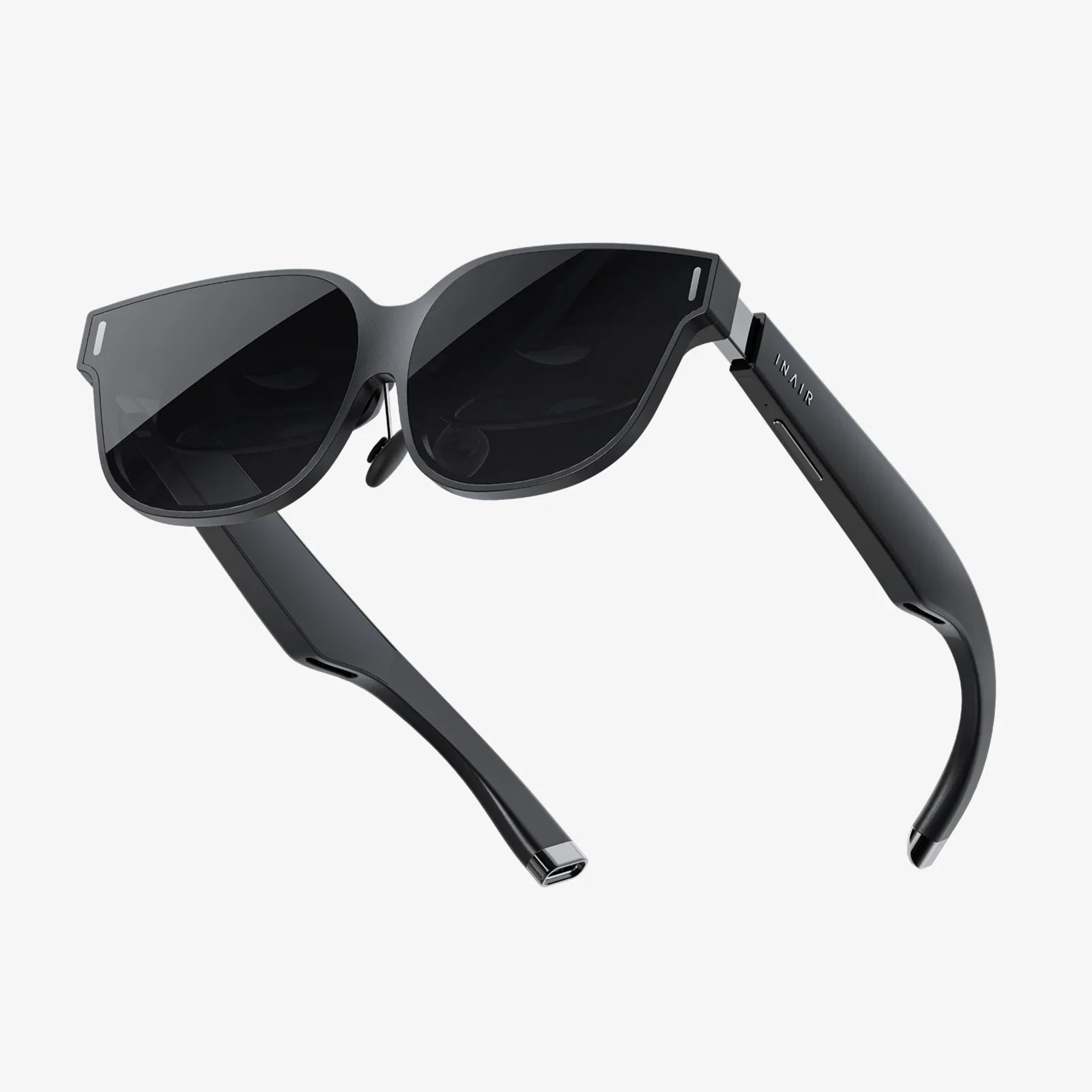
The ultimate goal for many is to make VR headsets as socially acceptable and comfortable as a pair of sunglasses. This drives innovation in miniaturization, weight distribution, battery technology, and materials. Standalone, all-in-one headsets represent the current peak of accessibility, but the future may lie in hybrid models that can either operate independently or tap into the raw power of a nearby computer for the most demanding experiences. The company that successfully cracks the code on comfort, style, and all-day wearability will unlock a mass market far beyond gaming.
The most powerful hardware is useless without compelling software. This is where the concept of an ecosystem becomes paramount. A strong ecosystem encompasses several key elements:
So, who wears the crown? The truth is, it's constantly shifting. One company might hold the title for the most powerful standalone hardware, another for the most immersive high-fidelity experience, and yet another for the most vibrant social ecosystem. The "best" is a deeply personal calculation based on your individual needs, budget, and technical appetite.
However, the company that consistently demonstrates a clear, long-term vision, marries its philosophical approach with cutting-edge technology, and cultivates a rich, diverse ecosystem is the one that will ultimately be remembered for defining the era. They are the ones not just selling a piece of hardware, but selling a vision of the future—a future where the line between our physical and digital lives becomes beautifully, thrillingly blurred. They understand that the ultimate goal is not just to be the best VR headset company, but to build the gateway through which humanity will experience the next great computing revolution.
Your passport to thousands of worlds is closer than you think, and the race to put it on your face is the most fascinating tech story of the decade. The winner won't be decided by a single product launch, but by a relentless, multi-front war of ideas that will redefine reality itself.
Share:
VR Headset 2025: The Year Virtual Reality Finally Became Indistinguishable From Reality
Holographie Augmented Reality: The Invisible Revolution Reshaping Our World