


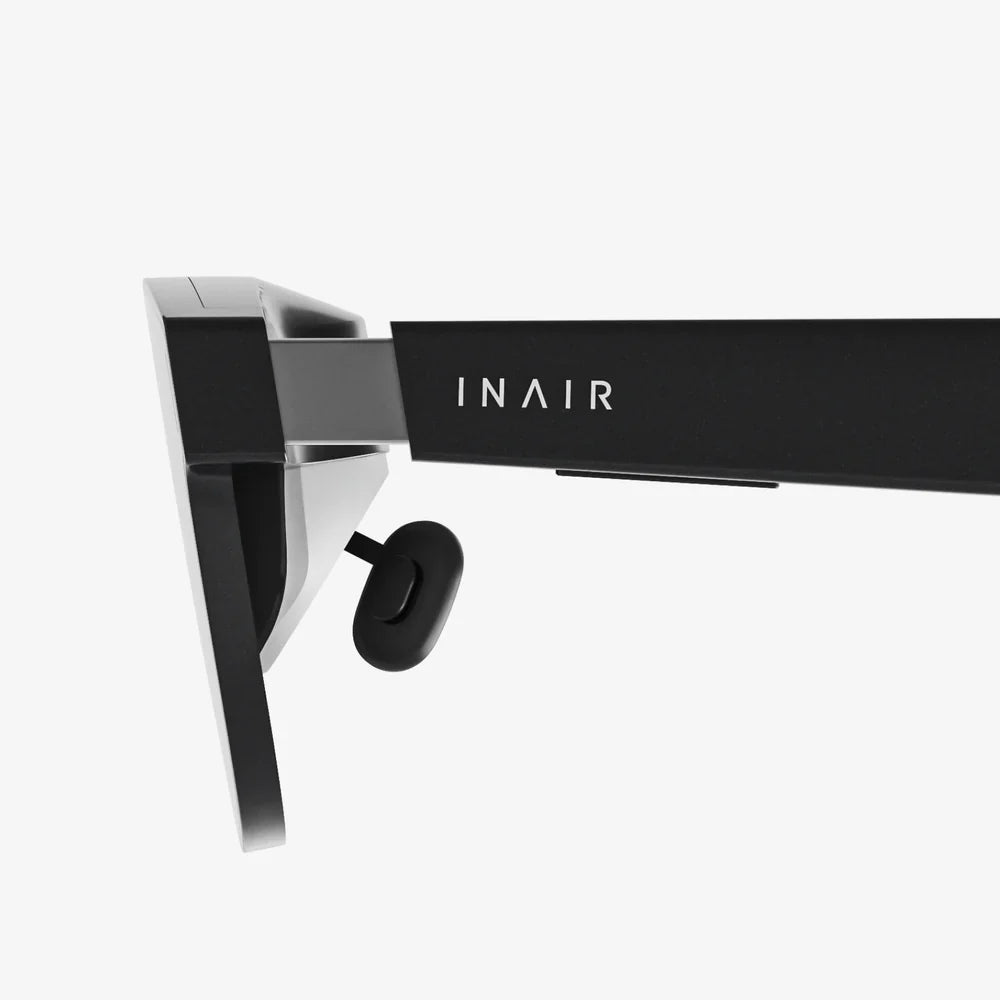
You’re standing on the edge of a virtual precipice, your heart pounding as you peer into a digital abyss that feels terrifyingly real. The world around you is a masterpiece of code and creativity, and for a moment, the physical room you’re in has completely vanished. This is the promise of virtual reality, a promise that has evolved from science fiction fantasy to a stunningly tangible reality. But with a landscape of options that changes almost as fast as the virtual worlds themselves, a single question looms large for any potential explorer: which portal is the right one? The quest for the best VR headset currently on the market isn't about finding a single winner, but about matching a remarkable piece of technology to your dreams, your expectations, and your reality.
The State of the Virtual Union: More Than Just Gaming
To understand the current VR landscape, we must first dispel a common misconception. While gaming remains a powerful driving force, the definition of the best VR headset has dramatically expanded. Today's top-tier devices are multifaceted tools for productivity, social connection, immersive fitness, cinematic experiences, and even professional design and architecture. This evolution means the criteria for "best" is deeply personal. Are you a developer creating the next great virtual experience? A fitness enthusiast looking to break a sweat in another dimension? A cinephile craving a private IMAX theater? Or a curious newcomer taking your first steps into the metaverse? Your answer fundamentally shapes which device deserves the crown in your specific use case.
The Pillars of VR Performance: What Truly Matters?
Before diving into the categories, it's crucial to understand the metrics that separate a good headset from a truly great one. These are the pillars upon which immersion is built.
Visual Fidelity: The Window to Another World
This is often the first thing users notice. Resolution, measured in pixels per degree (PPD), dictates the clarity and sharpness of the image, reducing the dreaded "screen-door effect." The type of display panel is equally critical; modern OLED and fast-switch LCD screens offer rich colors, deep blacks, and high contrast ratios. Perhaps the most significant advancement in recent years is the move to pancake lenses. These replace the older, heavier Fresnel lenses to provide a dramatically sharper image across the entire field of view, with reduced glare and a much more compact form factor.
Tracking and Controllers: Your Hands in the Virtual Realm
Precise tracking is the foundation of presence—the feeling of actually being in the virtual space. Inside-out tracking, where cameras on the headset itself map the environment and monitor the controllers, has become the standard, eliminating the need for external base stations. The controllers themselves have evolved into ergonomic marvels, offering haptic feedback that ranges from subtle vibrations to simulated sensations like pulling a trigger or feeling the virtual rain on your hands.
Comfort and Design: The Forgotten Frontier
A headset can have the most advanced specs on paper, but if it's a pain to wear, it will gather dust. Weight distribution, materials, and strap design (especially the shift to rigid, halo-style or elite-style straps with over-the-head support) are paramount for long sessions. Similarly, a good interface—both in the physical world and the digital one—should feel intuitive and get out of your way, letting you focus on the experience, not the hardware.
Audio: The Half of the Experience
Immersion is audiovisual. High-quality spatial audio is non-negotiable. The best systems use built-in, directional speakers that sit close to the ears without isolating you from your real-world environment, allowing sounds to feel like they are coming from specific points in the 3D space around you.
The Contender: The King of Standalone Freedom
For a huge segment of the market, the best VR headset is one that requires no wires, no powerful computer, and no complicated setup. It's a device you can pick up and be inside within seconds. This category is dominated by a single ecosystem, which has set the benchmark for accessibility and all-in-one functionality.
These devices are marvels of engineering, packing a processor, sensors, and batteries into a sleek, wearable form. They offer a vast library of content, from exclusive games and social platforms to fitness apps and media players. The experience is consistently smooth and user-friendly, making it the undisputed champion for newcomers and those who value convenience and a curated experience above all else. Recent iterations have made significant strides in visual performance with improved resolution and the adoption of pancake lenses for a much clearer picture and smaller footprint. However, the trade-off for this wireless freedom is inherent: the graphical power is mobile-based, meaning it cannot compete with the raw, photorealistic rendering capabilities of a headset tethered to a high-end gaming computer.
The Contender: The Pinnacle of PC-VR Power
If your priority is absolute visual fidelity, uncompromising performance, and the full might of modern gaming graphics, then the best VR headset for you resides in the PC-tethered category. These devices act as ultra-high-resolution monitors strapped to your face, powered by the immense processing capability of a desktop GPU.
The experience is transformative. Complex textures, advanced lighting effects, vast draw distances, and incredibly high frame rates create a level of realism that standalone devices cannot yet approach. For simulation enthusiasts (flight, racing, etc.), hardcore gamers, and professionals using VR for visualization, this is the only option. These headsets often feature the highest-resolution displays available to consumers, stunningly wide fields of view that fill your peripheral vision, and exquisite comfort designs built for multi-hour use. The primary, and most obvious, drawback is the tether—a cable connecting you to the computer, which can be a constant reminder of the real world and a potential immersion-breaker. They also represent a significant investment, requiring not only the expensive headset itself but also a powerful, and costly, computer to run it.
The Wildcard: The Productivity and Passthrough Pioneer
A new category has emerged, blurring the lines between virtual and augmented reality. These devices aren't just about escaping reality; they're about augmenting it. They are pitched as replacements for physical monitors and workspaces, allowing users to create a massive, virtual multi-screen setup anywhere they go.
Their killer feature is incredibly high-resolution color passthrough. Using advanced cameras and sensors, they blend the real world with digital overlays, allowing you to see your physical keyboard, drink a cup of coffee, and interact with people in the room—all while having a browser or a coding environment pinned in your virtual space. The processing is often handled on-device, offering a seamless, wire-free experience for productivity. However, this focus comes with compromises in other areas. The library of traditional, immersive games is often more limited, and the high price point positions them as a niche professional tool rather than a mainstream entertainment device. They represent a bold, forward-looking vision for the future of work, but their claim to the "best for everyone" title is highly specialized.
Making the Choice: A Guide to Your Perfect Match
So, which path is right for you? Let's break it down by profile.
For the First-Time User & Family: The choice is clear. A high-end standalone headset offers the lowest barrier to entry, a massive library of accessible content, and the worry-free convenience of all-in-one operation. It’s the easiest way to discover the magic of VR without a major financial or technical commitment.
For the Hardcore Gamer & Sim Enthusiast: If you already own a powerful gaming rig and your primary goal is to experience VR with the highest possible graphical settings, a PC-tethered headset is your only choice. The tether is a small price to pay for the breathtaking visual performance and deep, complex game libraries available on PC platforms.
For the Digital Nomad & Tech-Focused Professional: If your goal is to create a portable, massive workspace or develop for the next generation of mixed reality, the high-end standalone productivity pioneers are fascinating tools. They are a investment in a potentially transformative way of working.
Gazing into the Crystal Ball: What's Next for VR?
The journey is far from over. The technology on the horizon promises to dissolve the current compromises. We are already seeing the first steps toward eliminating the graphical gap between standalone and PCVR through advanced cloud streaming and increasingly powerful mobile chipsets. Varifocal lenses, which dynamically adjust to where your eyes are looking, promise to solve the longstanding issue of visual comfort and vergence-accommodation conflict. Haptic technology is moving beyond controllers to full gloves and suits, and eye-tracking and facial expression tracking are becoming standard features, set to revolutionize social interaction in virtual spaces by making avatars truly lifelike. The best VR headset currently available is a snapshot of a technology in hyper-drive, a stepping stone to a future where the line between our realities will become almost imperceptible.
Your perfect gateway to virtual worlds is waiting, a device that aligns with your passion for play, your demands for power, or your vision for work. The landscape has never been more diverse, the experiences never more compelling, and the price of admission for mind-blowing immersion has never been more accessible. The next dimension is ready for you to step in and define your reality.
Share:
What Age Is Appropriate for VR Headset: A Guide for Parents
Virtual and Augmented Reality Marketing: The Ultimate Immersive Engagement Strategy