


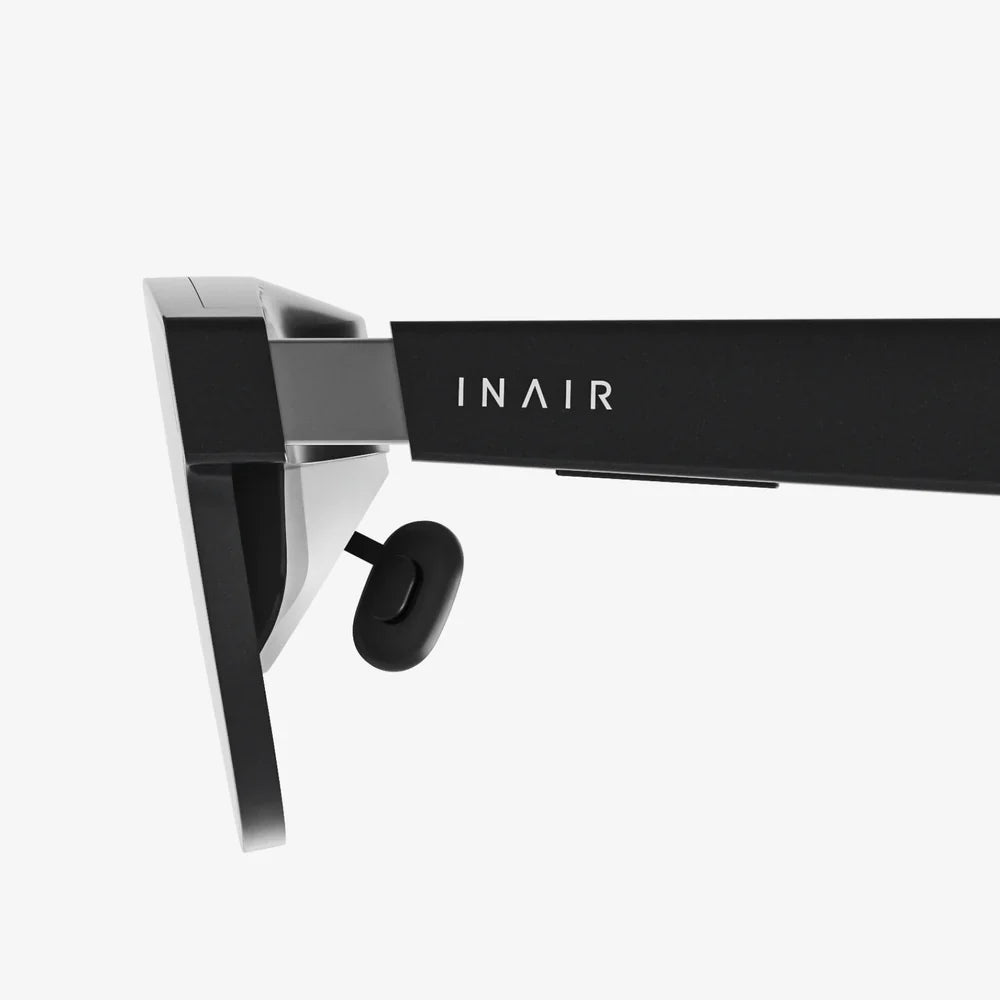
The glowing, otherworldly allure of virtual reality is undeniable, a siren call to the curious minds of both young and old. As a parent, you’ve likely seen the wonder in your child’s eyes as they witness someone else explore digital landscapes, and the inevitable question follows: When is it their turn? The answer is far more complex than a simple number on a box. Determining the appropriate age for a VR headset is a nuanced decision, one that sits at the intersection of technology, child development, and parental responsibility. It's about balancing incredible potential with very real risks, and forging a path forward in a world that previous generations never had to navigate.
The Official Stance: What Do the Manufacturers Say?
Before delving into the deeper developmental questions, it's crucial to start with the most straightforward, albeit often overlooked, piece of guidance: the manufacturer's age rating. Most major hardware producers explicitly advise against the use of their products by children under a specific age, typically 12 or 13. This warning isn't merely a suggestion; it's often rooted in a principle of caution. The primary cited reason is the lack of comprehensive, long-term research on the effects of VR on developing visual systems. A child’s brain is still learning to process visual cues and coordinate them with physical movement. The unique way VR presents images—very close to the eyes while simulating distance—could potentially disrupt this delicate process, though more research is needed for definitive conclusions.
Beyond the Number: Key Considerations for Parents
The manufacturer's age is a legal and safety baseline, but it shouldn't be the end of the conversation. Every child matures at a different pace. A thoughtful approach involves evaluating several critical factors unique to your child and your family values.
1. Physical Development and Health
The physical interface between a child and a VR headset presents immediate concerns. Most headsets are designed for adults, meaning they can be too heavy for a young child's neck and may not fit correctly on a smaller face, allowing in external light and breaking immersion (which can increase discomfort). The most commonly reported issues include:
- Visual Strain and Eye Fatigue: The vergence-accommodation conflict is a technical term for a simple problem: your eyes are focused on a screen two inches away but must adjust to perceive depth in a virtual world. This can cause significant eye strain, headaches, and blurred vision.
- Motion Sickness (Cybersickness): This occurs when the brain receives conflicting signals from the eyes (which perceive movement) and the inner ear (which feels stillness). Children are often more susceptible, and the effects can be intense and lingering.
- Tripping and Collision Hazards: Immersed in a virtual world, a user is blind to their physical surroundings. For an impulsive child, the risk of running into a wall, tripping over a toy, or swinging a controller into a television is very real.
2. Cognitive and Emotional Maturity
Can your child distinguish between the virtual and the real? This is perhaps the most profound question. VR experiences are intensely immersive, and for a young mind, the line between a game and reality can be blurry. A frightening or intense experience in VR can feel just as real—and be just as emotionally impactful—as one in the physical world. Consider:
- Content Comprehension: Is your child able to understand that the events on the screen are not real? Can they process a scary situation as a constructed narrative rather than a genuine threat?
- Emotional Regulation: How does your child handle fear, frustration, or excitement in traditional video games or movies? VR will amplify these emotions. A child who is easily overwhelmed may not be ready.
- Impulse Control: Does your child generally follow rules and understand boundaries? The ability to adhere to strict time limits and usage rules is critical for safe VR use.
3. Social and Psychological Impact
Like any powerful technology, VR is a tool that can be used for connection or isolation, for education or mere escapism. It’s vital to consider the role you want it to play in your child’s life.
- Social Interaction vs. Isolation: While many VR platforms offer social spaces where users can interact with others, these are largely unmoderated and can expose children to inappropriate language and behavior from strangers. Conversely, solo play can be a isolating activity, pulling them away from family interaction and physical play.
- Content is King: The headset is just a window; what matters is what’s on the other side. A curated experience exploring the human body or ancient ruins is vastly different from an intense first-person shooter. Parental controls and curation are non-negotiable.
- Establishing Healthy Habits: VR is compelling by design. It’s engineered to keep users engaged. Establishing clear, consistent rules from day one about duration of use is essential to prevent it from consuming all of a child’s free time.
A Practical Framework for Introduction
If, after careful consideration, you decide your child is ready to try VR, a gradual, supervised introduction is key. Think of it not as handing over the keys to a new car, but as teaching them to drive with a learner's permit.
Start with Supervised, Short Sessions
Begin with sessions of no more than 15-20 minutes. Be present the entire time. Observe their reactions, and ask them how they’re feeling. Choose calm, non-violent, and age-appropriate experiences. Many educational and creative apps are perfect for this stage.
Create a Safe Physical Space
Clear a large, obstacle-free area. Use a rug or mat to define the play space so they can feel with their feet when they are nearing the boundary. Always use any available safety guardian or chaperone systems that map out the safe area within the headset.
Set Ironclad Rules and Boundaries
Before the headset ever goes on, establish and reiterate the rules:
- Time Limits: e.g., "30 minutes on weekends only." Use a timer.
- Content Rules: Only pre-approved apps. No downloading new experiences without permission.
- Behavioral Expectations: No running or reckless behavior. Stop immediately if feeling sick, dizzy, or scared.
- Social Rules: If social apps are allowed, rules about never sharing personal information and how to handle interaction with strangers must be set.
Prioritize Co-Experience and Discussion
The best way to understand what your child is experiencing is to join them. Some apps offer a “pass-through” mode or a mirrored screen on your TV so you can see what they see. After their session, talk about it. What did they do? How did it make them feel? This open dialogue demystifies the experience and allows you to monitor its impact.
The Bright Side: The Extraordinary Potential of VR
Amidst the necessary warnings, it’s also important to acknowledge the breathtaking potential of VR as a tool for growth and learning. When used appropriately, it can be more than a toy; it can be a window to new worlds.
- Education: Imagine walking through ancient Rome, holding the planets in your hands, or diving into a human bloodstream. VR makes abstract concepts tangible, creating unforgettable learning moments.
- Creativity: Apps allow children to sculpt in 3D, paint in mid-air, and create worlds limited only by their imagination.
- Empathy and Perspective: Experiences that simulate what it’s like to live in a refugee camp or to experience the world with a disability can foster profound empathy and understanding.
- Physical Activity: Many VR games are highly physical, getting kids to duck, dodge, swing, and dance, turning screen time into active time.
Ultimately, the question of what age is appropriate for a VR headset cannot be answered by a calendar. It’s a verdict reached by weighing the manufacturer's cautions against your child’s individual maturity, your willingness to supervise, and your commitment to curating content and setting boundaries. It’s a decision that demands your active participation, not passive permission. By approaching this powerful technology not with fear, but with informed caution and engaged curiosity, you can unlock its wonders for your child while steadfastly guarding their well-being, ensuring their first steps into the virtual world are safe, healthy, and truly magical.
Share:
Can You Bring a VR Headset on a Plane? The Ultimate Traveler's Guide to In-Flight Virtual Reality
Best VR Headset Currently: A Deep Dive into the Top Tiers of Immersive Technology