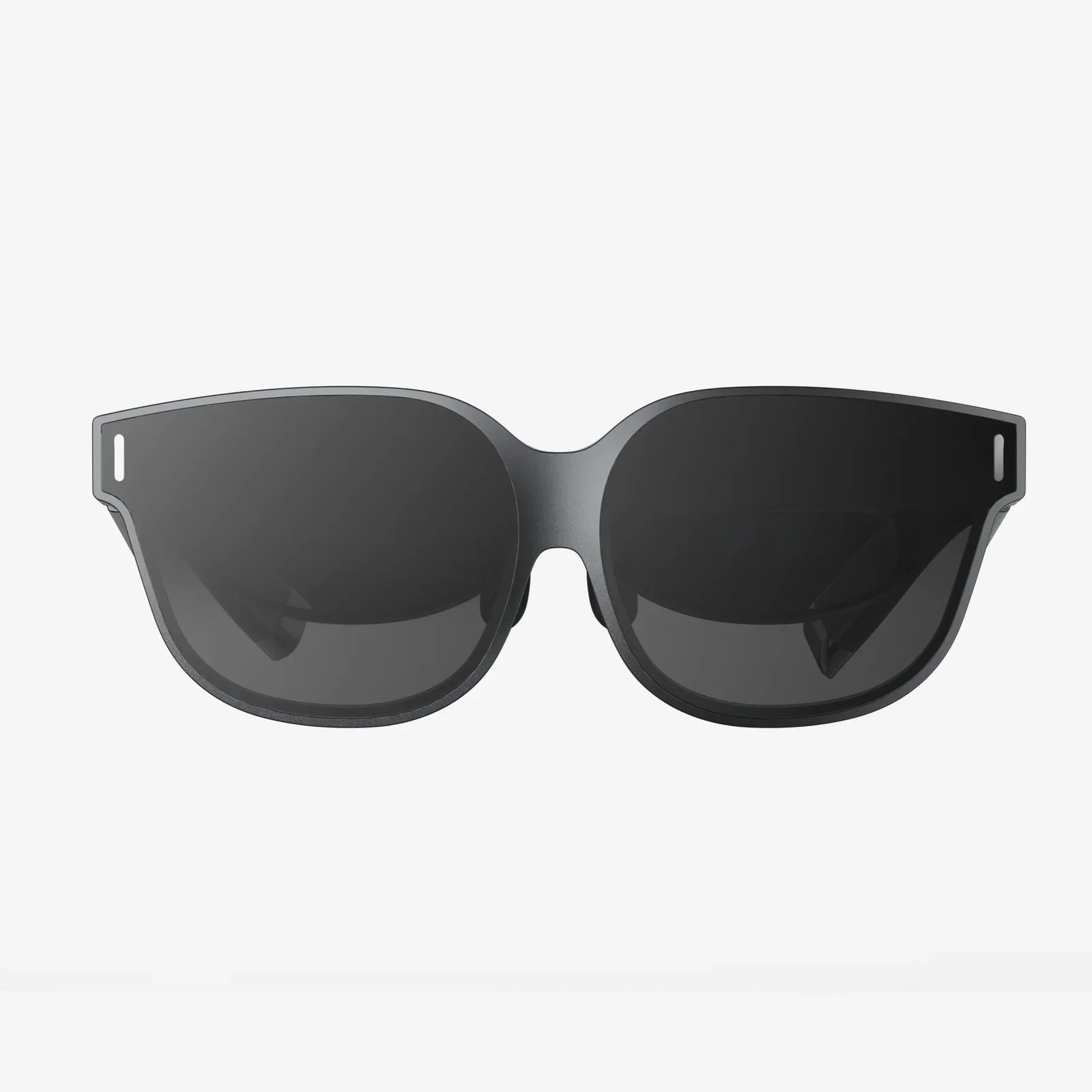
You've meticulously planned your vacation, your bags are packed, and your trusty virtual reality headset is ready to transport you to other worlds. But a nagging question pops into your head as you head to the airport: can you actually bring this piece of advanced technology on a plane? The short, and incredibly reassuring, answer is a resounding yes. Not only is it permitted, but with a little know-how, your VR headset can transform those long, tedious hours in the air into an unparalleled entertainment experience. This definitive guide will walk you through every single step, from navigating security checkpoints to creating your own private theater at 30,000 feet, ensuring your journey into virtual reality is as smooth as your flight.
The Golden Rule: TSA and Carry-On Luggage
Let's start with the most critical authority you'll encounter: the Transportation Security Administration (TSA). Their primary concern is safety, and that revolves around what they consider dangerous items. The good news is that a VR headset, along with its associated controllers and accessories, falls firmly into the category of everyday personal electronics, much like a laptop, tablet, or smartphone.
The TSA's official stance is clear: personal electronic devices are allowed in both carry-on and checked baggage. However, and this is a crucial point, you must always pack your VR headset in your carry-on bag. This is non-negotiable for several compelling reasons:
-
Lithium-ion Batteries: The vast majority of modern VR headsets are powered by lithium-ion batteries. Due to the potential fire risk if damaged, short-circuited, or exposed to extreme pressure changes in the cargo hold, the FAA (Federal Aviation Administration) strictly mandates that all devices containing lithium-ion batteries must be carried in the aircraft cabin. This allows any potential incident to be addressed immediately by the crew.
-
Theft and Damage: Checked luggage is handled roughly, stacked under heavy items, and is unfortunately susceptible to theft. Your VR headset is a valuable, sophisticated piece of equipment. Keeping it with you is the only way to guarantee it arrives at your destination intact and in your possession.
-
Security Screening: Just like with laptops, TSA officers may ask you to remove your VR headset from its case and place it in a separate bin for X-ray screening. This isn't because it's suspicious, but because its dense internal components can appear opaque on the scanner, making it difficult to see inside. Making this process easy for them speeds up your journey through security.
Airline Policies: A Nuanced Consideration
While the TSA sets the security standards, individual airlines create their own policies regarding the use of electronic devices during the flight. The TSA gets you and your headset onto the plane; the airline's rules dictate what you can do with it once you're seated.
Generally, the use of personal electronic devices is governed by two distinct phases of flight:
-
Taxi, Takeoff, and Landing: During these critical phases, all portable electronic devices (PEDs) must be either turned off or switched to airplane mode and stowed safely. This is a universal rule. Your VR headset is no exception. You will not be allowed to wear it while the plane is moving on the runway, ascending, or descending.
-
Cruising Altitude: Once the captain turns off the fasten seatbelt sign and the aircraft has reached a safe cruising altitude, you are typically free to use approved electronic devices. This is your window of opportunity for virtual immersion.
It is absolutely essential that you check your specific airline's policy on their website before you fly. While most major carriers align with the standard rules, some might have specific clauses about devices that completely cover your eyes, citing potential safety concerns during unexpected turbulence. A quick search on the airline's "Travel Information" or "FAQ" page for "electronic device policy" will provide the definitive answer.
Packing and Preparing Your VR Headset for Flight
Proper preparation is the key to a hassle-free experience. Here’s how to get your gear flight-ready:
1. The Right Case is Everything
Do not simply throw your headset into your backpack amidst your clothes and toiletries. Invest in a sturdy, hard-shell or well-padded case designed for electronics. This protects the delicate lenses from scratches and the internal hardware from jolts and pressure. Many headsets come with a decent case, but if yours didn't, a third-party option is a wise investment for any traveler.
2. Manage Your Power
Assume that you will not have access to a power outlet at your seat. The goal is to be self-sufficient.
-
Fully Charge Everything: The night before your flight, charge the headset, controllers, and any external battery packs to 100%.
-
Power Banks are Your Best Friend: A high-quality, FAA-compliant power bank is a VR traveler's secret weapon. Ensure its capacity is within your airline's limits (usually under 100Wh) and that it has enough output to slow-drain or even charge your headset during use. Remember, the power bank itself must also be in your carry-on.
-
Download, Don't Stream: In-flight Wi-Fi is often expensive, slow, and unreliable. It is certainly not capable of streaming high-resolution VR content. Before you leave home, download all the movies, shows, and games you plan to enjoy onto your device or a connected standalone unit.
3. Prepare for the Screening Process
To make your trip through security a breeze, pack your VR gear in an organized manner. Place the headset and controllers in a separate, easy-to-remove section of your bag or in their own case within your carry-on. When you get to the conveyor belt, you can swiftly take out the VR case, open it, and place it in a bin, just as you would with a laptop. This shows the TSA officer you are prepared and makes their job easier.
Using Your VR Headset In-Flight: Etiquette and Practicality
You're through security, you're on the plane, and you've reached cruising altitude. It's time to dive in. But before you do, consider these best practices to ensure a pleasant experience for both you and your fellow passengers.
Be Mindful of Your Space
VR experiences range from stationary 360-degree viewing to full room-scale movement. On a plane, you are in a stationary environment. Stick to experiences that are designed for sitting down. This is not the time for a boxing game or a fitness app that requires you to duck and weave. You will inevitably elbow your seatmate or whack the seat in front of you. Great seated experiences include:
- Virtual cinemas for watching 2D and 3D movies.
- 360-degree videos and documentaries.
- Relaxation and meditation apps.
- Puzzle, strategy, and narrative games that use minimal movement.
Sound Considerations: To Headphone or Not to Headphone?
This is a major point of etiquette. The built-in speakers or audio strap on some headsets can leak sound, which can be incredibly annoying to those around you. Always use headphones. For the best experience, use noise-canceling headphones. They will block out the ambient drone of the aircraft engines, increasing your immersion tenfold, and they will ensure you are not disturbing anyone with your game's soundtrack or the dialogue from your movie.
Managing Potential Discomfort
Flying can already cause issues like motion sickness for some people. Adding VR to the mix requires careful consideration.
-
Know Your Limits: If you are prone to VR-induced motion sickness on solid ground, be extra cautious in the air. The slight movements of the plane can sometimes conflict with the visual input from the headset, exacerbating feelings of nausea. Start with short, comfortable sessions.
-
Choose Your Content Wisely: Avoid experiences with artificial locomotion (e.g., using a thumbstick to move) as this is a primary trigger for simulator sickness. Opt for content where you remain physically stationary in the virtual world.
-
Stay Hydrated and Take Breaks: Look away from the headset every 20-30 minutes. Focus on the horizon out of the window or simply close your eyes for a few minutes. Drink plenty of water, as dehydration can worsen motion sickness.
International Travel: A Few Extra Layers
Traveling internationally? The same core principles apply, but with a couple of added considerations.
-
Foreign Security Agencies: While most international security agencies (like the UK's Heathrow or Germany's Frankfurt) follow similar protocols for electronics, it's always wise to be prepared for slightly different procedures. The universal language of being organized—having your headset easy to remove and scan—will serve you well anywhere in the world.
-
Customs Declarations: In most countries, a personal-use VR headset is not something you need to declare, as it is considered personal effects. However, if you are traveling with multiple brand-new, boxed units, customs officials may suspect you intend to sell them, potentially leading to questions about duties and taxes. For a single, clearly used headset, this is almost never an issue.
-
Power Adapters: Don't forget the humble power adapter! Research the outlet types used at your destination and bring the appropriate adapter to charge your gear in your hotel room.
What About Checked Luggage? The Final Word
To reiterate and emphasize: never pack your VR headset or its lithium-ion batteries in your checked luggage. The risks far outweigh any minor convenience. The potential for catastrophic damage from extreme cold, pressure changes, and rough handling, combined with the fire risk of an unmonitored lithium-ion battery, makes it a prohibited and dangerous choice. Your headset belongs with you, in the cabin.
So, the next time you're booking a flight and that question—can you bring a VR headset on a plane—crosses your mind, you can answer with confident certainty. Yes, you absolutely can. It's not just allowed; it's a fantastic way to reclaim those lost hours in the air. By following these simple guidelines on security, airline etiquette, and preparation, you can elevate your travel experience from mundane to magical, passing the time immersed in breathtaking worlds, all while cruising comfortably above the clouds. Your seat in economy can become a private IMAX theater, a serene meditation garden, or an immersive game world. All you need to do is remember to look up when the flight attendant comes by with the snack cart.