Imagine a world where digital information doesn't just live on a screen but is woven seamlessly into the fabric of your reality. This is the promise of augmented reality (AR), a technology that enhances our perception of the world by overlaying computer-generated graphics, data, and experiences onto our physical surroundings. While often associated with smartphone apps, the most profound and immersive AR experiences are delivered through specialized head-mounted displays. But with a rapidly evolving market, how do you identify the best VR headset for augmented reality? This comprehensive guide will navigate the critical features, technological considerations, and future trends to help you find the perfect portal to a blended world.
Understanding the Spectrum: VR, AR, and MR
Before diving into hardware, it's crucial to clarify the terminology. The realm of immersive computing exists on a spectrum.
Virtual Reality (VR) completely replaces your visual field with a simulated, digital environment. You are transported elsewhere, isolated from your physical space.
Augmented Reality (AR) superimposes digital elements onto your view of the real world. Think of navigation arrows painted onto the road in front of you or a virtual dinosaur stomping through your living room.
Mixed Reality (MR) is an advanced form of AR where digital objects not only overlay the real world but can interact with it intelligently. A virtual character might jump onto your real-world couch, and the object will occlude (be hidden behind) real-world obstacles, creating a convincing illusion of coexistence.
Many modern devices designed for AR, often called "VR headsets for augmented reality," are technically MR devices. They use advanced sensors to understand and blend with your environment, making them the pinnacle of consumer-ready AR technology.
Key Features of a Premier AR-Capable Headset
Not all headsets are created equal. The best VR headset for augmented reality will excel in several key areas that define the quality and comfort of the experience.
1. Passthrough Technology: The Window to Your World
This is the single most important feature. Passthrough is the technology that uses outward-facing cameras to capture your real-world environment and display it live inside the headset. The quality of this video feed is paramount. Look for:
-
High Resolution: Grainy, low-resolution video makes it difficult to read text or see details in your surroundings, breaking immersion and causing eye strain.
-
Low Latency: There must be minimal delay between your movement and the video updating. High latency is a primary cause of motion sickness.
-
Color and Dynamic Range: Early passthrough was often black and white. The best modern systems offer full-color, high-dynamic-range video that accurately represents the lighting and colors of your room.
2. Tracking and Spatial Mapping
For digital objects to feel anchored in your world, the headset must understand your environment with incredible precision. This is achieved through:
-
Inside-Out Tracking: Cameras and sensors on the headset itself map the room, tracking the device's position without external sensors or lighthouses. This allows for greater freedom of movement.
-
Depth Sensing: Utilizing technologies like stereoscopic cameras or dedicated depth sensors, the headset constructs a 3D map of your space. This allows virtual objects to be occluded by real furniture and for interactions to feel physically plausible.
-
Controller and Hand Tracking: The ability to use motion controllers with pinpoint accuracy is essential. Even more immersive is advanced hand tracking, which uses cameras to see your fingers and hands, allowing you to manipulate digital interfaces and objects with natural gestures.
3. Display and Optics
The lenses and screens are your window to the blended world. Key considerations include:
-
Resolution and Pixels-Per-Degree (PPD): A high resolution is necessary to render sharp text and detailed graphics, preventing the "screen door effect." PPD is a more accurate measure of visual clarity than total resolution.
-
Field of View (FoV): A wider FoV means the digital overlay covers more of your natural vision, increasing immersion. However, a very wide FoV can be technically challenging and expensive.
-
Optical Stack: Pancake lenses are a newer technology that allows for a much slimmer and lighter headset design compared to older Fresnel lenses, without sacrificing visual quality.
4. Comfort and Form Factor
AR experiences are meant to be used for extended periods while you move around your environment. A heavy, front-heavy, or poorly balanced device will quickly become uncomfortable.
-
Weight Distribution: A counterweighted design or a top strap can significantly improve comfort by distributing pressure away from the cheeks and forehead.
-
Battery Life and Management: All-in-one (standalone) headsets have a limited battery life, often 2-3 hours. Some designs feature a hot-swappable battery pack, while others offload the battery to a rear strap or a hip-worn pack for better balance.
-
Materials: Soft, breathable fabrics and replaceable facial interfaces are important for hygiene and comfort, especially during active use.
5. Processing Power and Platform
There are two main categories of headsets:
-
Standalone: These have all the computing power built into the headset itself. They are completely wireless and self-contained, offering maximum freedom and ease of setup. The trade-off is that they are limited by mobile-grade processors and thermal constraints.
-
PC-Connected: These headsets act as a display and sensor hub, offloading all the intense processing to a powerful external computer. This allows for vastly superior graphics, more complex environments, and higher-resolution passthrough, but at the cost of being tethered by a cable, limiting mobility.
The Contenders: A High-Level Overview of Capabilities
While we avoid specific brands, the current market offers distinct archetypes that represent different approaches to the AR experience, each with its own strengths and ideal use cases.
The All-in-One Wireless Powerhouse
This category represents the most accessible and versatile type of device for most users. These headsets are standalone, meaning no wires or external computer are required. They typically feature high-resolution color passthrough, inside-out tracking, and a robust library of productivity and entertainment applications. They are the jack-of-all-trades, excellent for someone who wants a single device for fitness, gaming, social interaction, and productivity on the go. The compromise is that their graphical fidelity, while impressive for mobile hardware, cannot match that of a tethered device.
The High-Fidelity Tetrian Experience
For the user who demands the absolute best visual quality and processing power for professional applications or high-end simulation, this category is king. These headsets connect to a high-performance computer, enabling photorealistic graphics, incredibly detailed environments, and the most advanced AR/MR experiences available. They are the tool of choice for architects visualizing building plans at scale, engineers working on complex 3D models, or developers creating the next generation of immersive content. The obvious limitation is the physical tether, which can be a hindrance for experiences requiring full 360-degree movement.
Transforming Industries: Use Cases for AR Headsets
The applications for this technology extend far beyond gaming.
-
Remote Work and Collaboration: Imagine attending a virtual meeting where your colleagues' avatars sit in your real conference room, or a remote expert can see your field of view and draw instructions directly into your environment.
-
Design and Manufacturing: Architects can walk clients through full-scale building models before a single brick is laid. Mechanics can see repair instructions and part diagrams overlaid on the engine they are working on.
-
Education and Training: Medical students can practice procedures on virtual anatomy, and factory workers can learn complex assembly processes with digital guides superimposed on their workstations.
-
Retail and Interior Design: Virtually place life-size furniture in your home to see how it fits and looks or try on digital clothing without ever changing outfits.
Gazing into the Crystal Ball: The Future of AR Headsets
The technology is advancing at a breakneck pace. The future of the best VR headsets for augmented reality points toward several key developments:
-
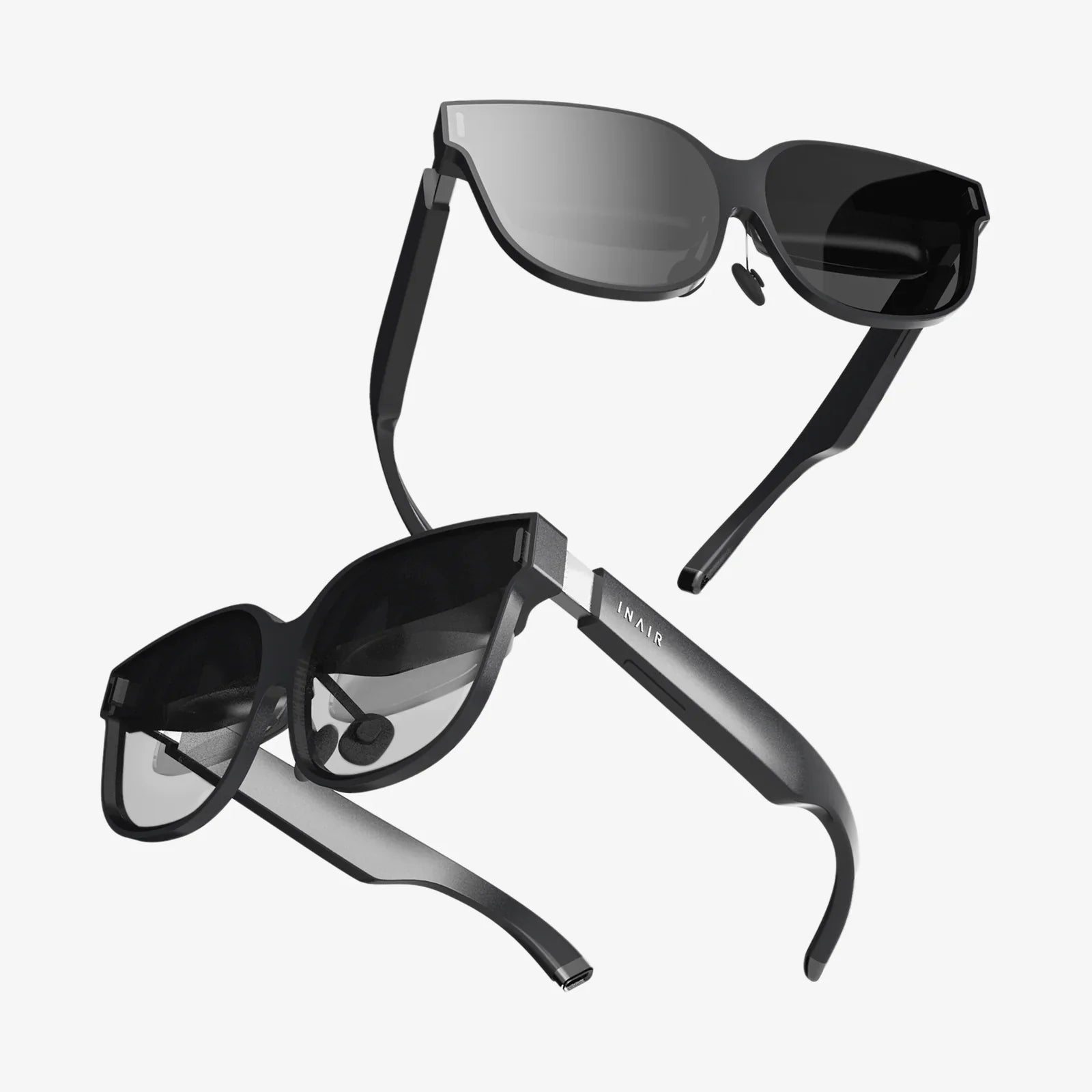
Slimmer Form Factors: The ultimate goal is a pair of stylish glasses that offer full AR capabilities. Advances in holographic optics and micro-LED displays are steadily pushing toward this reality.
-
Eye and Face Tracking: This will enable more expressive avatars in social settings, as well as foveated rendering—a technique that renders only the area you are directly looking at in full detail, drastically reducing the processing power required.
-
Contextual and AI-Powered AR: Your headset will not just see the world but understand it. An AI assistant could proactively highlight your lost keys on the table, translate a menu in real time, or warn you of a potential hazard you didn't see.
Making Your Choice: A Buyer's Considerations
Selecting the right device is a personal decision. Ask yourself these questions:
-
What is my primary use case? (Gaming, productivity, fitness, design?)
-
What is my budget? Prices range significantly, and the most advanced technology commands a premium.
-
Do I value mobility or graphical fidelity more? This is the core trade-off between standalone and PC-connected devices.
-
What is the state of the software ecosystem? A headset is only as good as its available apps and content. Research the platform's roadmap and developer support.
The journey to find the ultimate window between the digital and physical realms is an exciting one. It's not just about the specs on a sheet; it's about how the technology feels on your head, how intuitively it integrates into your workflow, and how magically it blends the possible with the real. By prioritizing high-fidelity passthrough, intuitive interaction, and all-day comfort, you can find a device that doesn't just show you a new world but enhances the one you already live in. The future is not somewhere you go; it's something you see, right here, through the right lens.


Share:
Can You Use AR Glasses for VR? Exploring the Blurred Lines of Immersive Tech
Affordable Augmented Reality: The Accessible Future is Now