


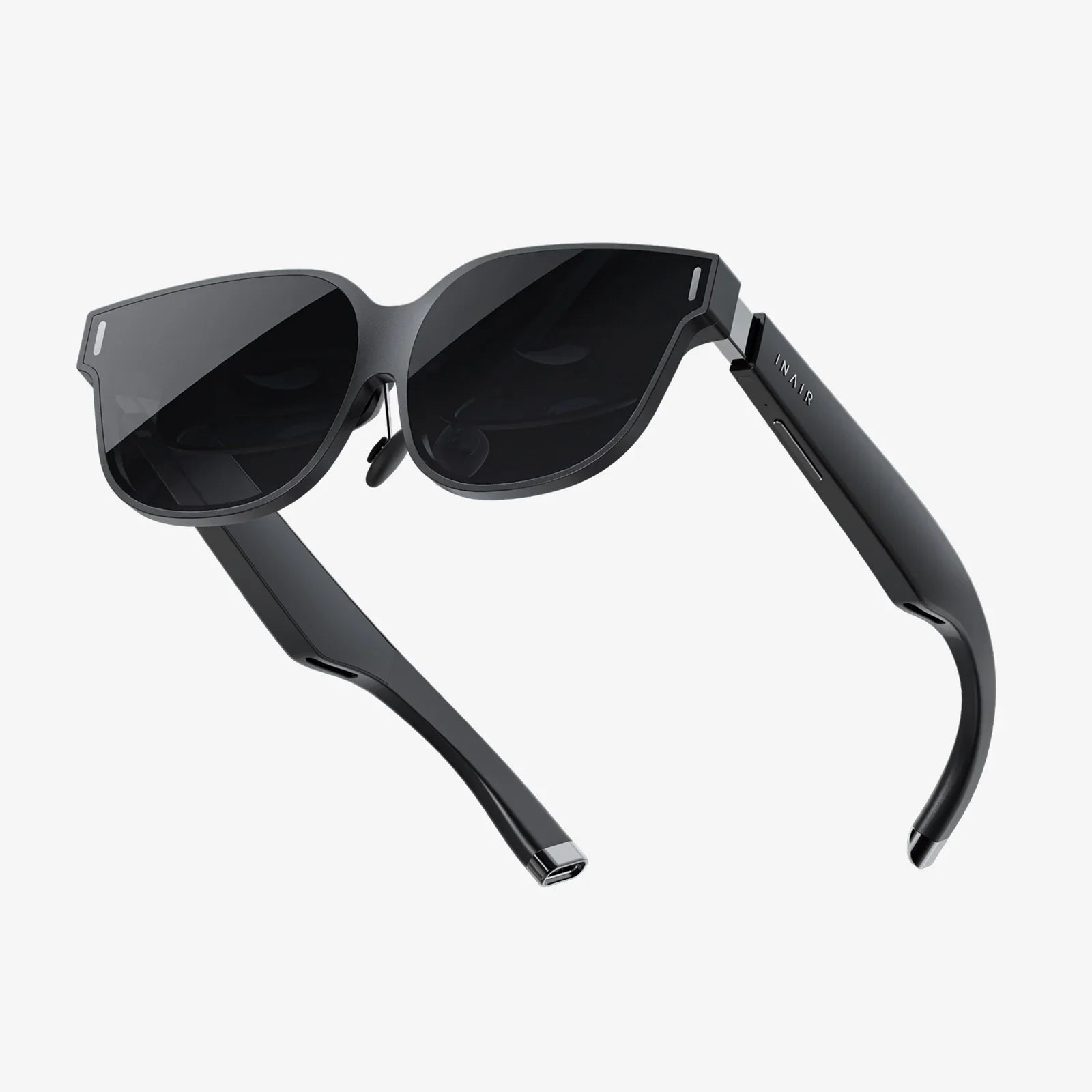
You’ve seen the future, and it’s wearing a headset. The promise of virtual reality—to transport you to another world, to train you for a high-stakes job, to let you stand shoulder-to-shoulder with friends across the globe—is no longer science fiction. It’s here, and it’s more accessible and breathtaking than ever. But with a landscape of incredible options, how do you find the single best VR headset out there for you? The answer isn't about a name; it's about a perfect alignment of technology, comfort, and purpose. This definitive guide cuts through the noise to equip you with the knowledge to make that critical choice and step confidently into the virtual frontier.
Beyond the Hype: Defining What Makes a VR Headset Truly "The Best"
The quest for the best VR headset is a personal one, as the ideal device for a hardcore gamer is vastly different from the perfect setup for an architectural visualizer or a fitness enthusiast. Therefore, "best" is a subjective term, but it is built upon a foundation of objective, measurable factors. Before diving into the specifics, it's crucial to understand the core pillars that separate a good experience from a truly transformative one.
First and foremost is the visual fidelity. This encompasses the resolution of the displays, the type of lens technology used, and the all-important refresh rate. A higher resolution means sharper images with less of the "screen door effect" (where you can see the gaps between pixels), pulling you deeper into the illusion. The lenses are responsible for focusing that image correctly for your eyes, with better optics offering a larger "sweet spot" of clarity and reduced god rays or visual artifacts. The refresh rate, measured in Hertz (Hz), dictates how smooth the motion appears. A higher rate, such as 90Hz or 120Hz, is essential for comfort during fast-paced action, significantly reducing the potential for motion sickness and making the virtual world feel solid and real.
Secondly, we have tracking and controls. How does the headset understand its position in your room and the movement of your hands? Some systems use external sensors placed around the play area for millimeter-perfect precision, often called outside-in tracking. Others use cameras mounted on the headset itself to map the environment and track the controllers—this is known as inside-out tracking and offers a simpler, more portable setup. The best systems provide flawless, low-latency tracking that makes your virtual hands feel like your own, with intuitive controls that become an extension of your body.
Third is the critical factor of comfort and ergonomics. The most technologically advanced headset is worthless if it's a pain to wear. Weight distribution, padding materials, and adjustability are paramount. A well-designed headset should feel secure yet gentle, allowing for extended sessions of exploration or gameplay without causing fatigue or pressure points. This also extends to the ergonomics of the controllers, which should feel natural in the hand and offer responsive inputs.
Finally, we must consider the ecosystem and content library
To make an informed decision, you need to speak the language of VR. Let's break down the key specifications you'll encounter and what they truly mean for your experience. The quality of the display is arguably the most direct contributor to immersion. Two key metrics are resolution and pixels-per-degree (PPD). While resolution (e.g., 1832 x 1920 per eye) gives a raw number, PPD is a better indicator of perceived sharpness as it accounts for the field of view. A higher PPD means a clearer, more detailed image. The panel technology is also vital. Fast-switch LCDs are common and offer good performance, but OLED panels are often praised for their perfect blacks and vibrant colors, enhancing contrast in dark scenes. The lenses are just as important as the panels behind them. Fresnel lenses, which use concentric ridges, have been widely used but can produce glare. The latest generation of headsets is moving towards pancake lenses. These compact optics allow for a much slimmer headset design and often provide a larger clear sweet spot and edge-to-edge clarity, making the visual experience more consistent and comfortable. As mentioned, tracking comes in two primary flavors. Outside-in tracking relies on external base stations or sensors that emit lasers or infrared light to precisely triangulate the position of the headset and controllers. This method is renowned for its exceptional accuracy and is the gold standard for professional applications and competitive gaming where every millimeter counts. The downside is the need to set up and calibrate external hardware. Inside-out tracking has become the standard for consumer-friendly devices. Cameras on the headset itself view the room, identifying unique features to track its own movement while simultaneously following the distinct patterns of light or shapes on the controllers. Modern inside-out systems are incredibly robust, offering excellent accuracy with the immense benefit of portability and a quicker setup. The choice here often boils down to a trade-off between ultimate precision and sheer convenience. This is one of the most fundamental divides in the VR market. A tethered headset connects via a cable to a powerful external computer or game console. This setup provides the highest possible graphical fidelity, enabling vast, complex, and stunningly beautiful virtual worlds. It’s the domain of premium experiences but requires a significant investment in complementary hardware and sacrifices wireless freedom. A standalone headset has all the necessary computing power built directly into the device. It is completely wireless, offering unparalleled freedom of movement and ease of use—you can simply put it on and go. While the graphics are necessarily less complex than a high-end tethered system due to mobile processing constraints, the gap is closing rapidly. For many users, the liberation of being untethered far outweighs the graphical compromise. Some devices now cleverly bridge this gap, functioning as a capable standalone unit but also offering the option to connect to a PC for access to more graphically intensive content, providing the best of both worlds. Now that we understand the technology, we can apply it to real-world use cases. The best VR headset for you is the one that excels at what you want to do most. The core gamer prioritizes performance and immersion above all else. Key features include: For this user, a tethered headset connected to a powerful gaming PC is often the preferred route to access the pinnacle of visual fidelity and gameplay complexity. VR has exploded as a phenomenal fitness tool. The ideal headset for breaking a sweat requires: Architects, artists, and travelers need a headset that acts as a canvas or a portal. This user might gravitate towards a high-end tethered headset for its graphical power or a modern standalone device with a incredibly sharp display for untethered creativity. Ease of use, accessibility, and a vibrant social world are the top priorities. A versatile standalone headset often fits this bill perfectly, offering a all-in-one package that is both powerful and user-friendly. VR technology is advancing at a blistering pace. While today's headsets are incredible, knowing what's on the horizon can help future-proof your decision. Eye-Tracking and Foveated Rendering: This is a game-changing technology. By tracking where your eyes are looking, the headset can render the center of your vision in full detail while subtly reducing the detail in your peripheral vision. This massively reduces the computational power needed, allowing for either significantly better graphics on existing hardware or the same high-quality graphics on more affordable hardware. It also enables more natural social interactions by allowing avatars to make eye contact. Mixed Reality (MR) Passthrough: Beyond pure virtual reality, many new headsets feature high-resolution color cameras that can blend the real world with the virtual. This isn't just a safety feature; it's the foundation for a new class of experiences. Imagine practicing your golf swing in your actual living room, decorating with virtual furniture that appears to sit on your real floor, or having a work meeting with virtual screens anchored to your physical walls. Haptic Feedback and Enhanced Controllers: The sense of touch is the next frontier for immersion. We are moving beyond simple rumble motors towards controllers that can simulate the feeling of squeezing an object, the tension of pulling a bowstring, or the subtle texture of a surface. This deeper level of feedback will make virtual interactions feel more tangible and real than ever before. Your journey into virtual reality is a deeply personal adventure, one that begins not with a brand name, but with a simple question: what do you want to experience? Whether it's conquering digital realms, transforming your health, unleashing your creativity, or simply connecting with others in amazing new ways, the perfect device is waiting. By weighing the pillars of visual clarity, intuitive control, and comfortable design against your own ambitions, you hold the key to unlocking not just a piece of technology, but a universe of limitless possibility. The gateway is open; all you have to do is take the step.Decoding the Specs: A Deep Dive into VR Technology
Display and Optics: Your Window to Another World
Tracking Precision: Mastering Your Virtual Space
Performance and Power: Tethered vs. Standalone
Matching the Headset to the Experience: Finding Your VR Purpose
For the Immersive Gamer
For the Fitness and Active User
For the Creative Professional and Explorer
For the Social Connector and Newcomer
The Future is Now: Emerging Trends to Consider
Share:
3D VR Headset for PC: The Ultimate Portal to Immersive Digital Realities
iPhone 6 VR Goggles: The Affordable Portal to Virtual Worlds